

As a heavy-duty Ethernet connector supplier, I've seen firsthand the growing demand for these robust connectors in mobile devices. The idea of using heavy-duty Ethernet connectors in mobile devices might seem like a great solution at first glance. After all, these connectors are designed to handle high-stress environments and provide reliable data transmission. But let's be real, there are some challenges that come with integrating them into mobile devices.
Size and Weight Limitations
One of the most obvious challenges is the size and weight of heavy-duty Ethernet connectors. Mobile devices are all about being portable and lightweight. Heavy-duty connectors, on the other hand, are typically larger and heavier compared to the standard connectors used in mobile devices. This can make it difficult to fit them into the sleek and compact designs that consumers expect from their smartphones, tablets, and other mobile gadgets.
For example, if you look at a Heavy Duty Sae Connector, it's built to withstand tough conditions in industrial settings. It's bulkier and heavier than the connectors you'd find in a typical mobile phone. Trying to squeeze this kind of connector into a mobile device would not only add unnecessary weight but also take up valuable space that could be used for other components like batteries or cameras.
Power Consumption
Another challenge is power consumption. Heavy-duty Ethernet connectors are designed to provide high-speed data transfer, which often requires more power. Mobile devices run on limited battery power, and adding a power-hungry connector can significantly reduce the device's battery life.
In a world where people rely on their mobile devices throughout the day, a shorter battery life is a major turn-off. Consumers expect their phones and tablets to last for hours without needing a recharge. If using a heavy-duty Ethernet connector means having to charge your device more frequently, it's going to be a hard sell.
Compatibility Issues
Compatibility is also a big hurdle. Mobile devices use a variety of operating systems and software, and ensuring that a heavy-duty Ethernet connector works seamlessly with all of them can be a nightmare. Different devices may have different communication protocols, and the connector needs to be able to adapt to these variations.
For instance, some mobile devices use Wi-Fi or Bluetooth for data transfer, and integrating a heavy-duty Ethernet connector that uses a different protocol can lead to compatibility issues. It might require additional software or drivers to make it work, which can be a hassle for both manufacturers and users.
Cost
Cost is always a factor when it comes to mobile devices. Heavy-duty Ethernet connectors are generally more expensive than their standard counterparts. This is because they are built with high-quality materials and are designed to withstand harsh conditions.
For mobile device manufacturers, adding a more expensive connector to their products can increase the overall cost of production. This, in turn, can lead to higher prices for consumers. In a highly competitive market, where price is a major deciding factor for many buyers, the added cost of a heavy-duty Ethernet connector can be a significant deterrent.
Environmental Considerations
Mobile devices are used in a wide range of environments, from the comfort of your home to the harsh conditions of an industrial site. Heavy-duty Ethernet connectors are designed to be rugged and durable, but they may not be optimized for all types of environments.
For example, in a humid or dusty environment, the connector may be more prone to corrosion or damage. This can affect its performance and reliability over time. Mobile device manufacturers need to ensure that the connector can withstand the environmental conditions in which the device is likely to be used.
Design and Aesthetics
In addition to the technical challenges, there are also design and aesthetic considerations. Mobile devices are not just functional; they are also a fashion statement. Consumers expect their devices to look good, and a bulky or unattractive connector can ruin the overall look of the device.
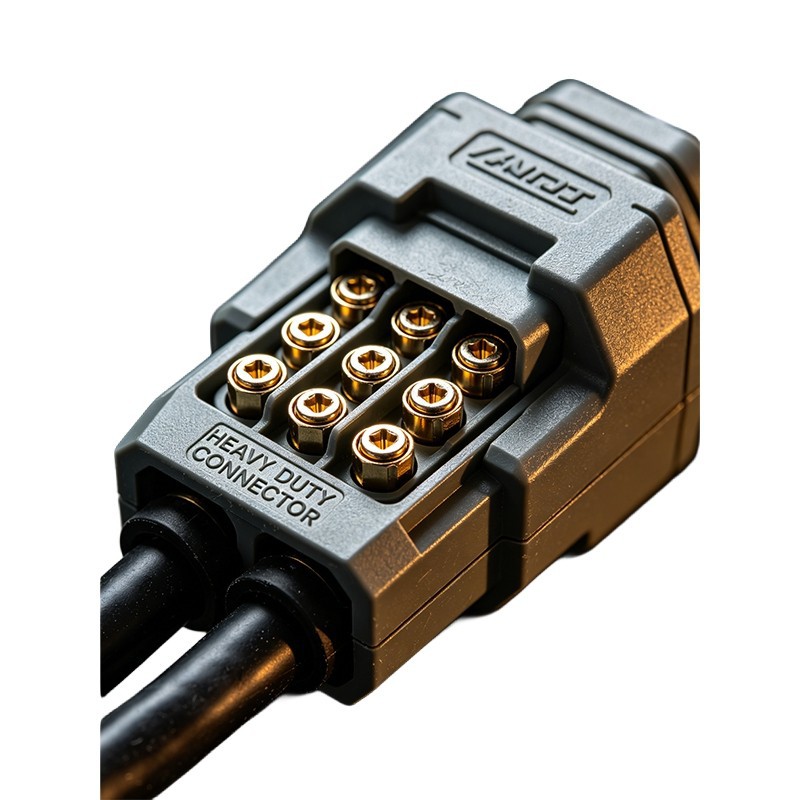
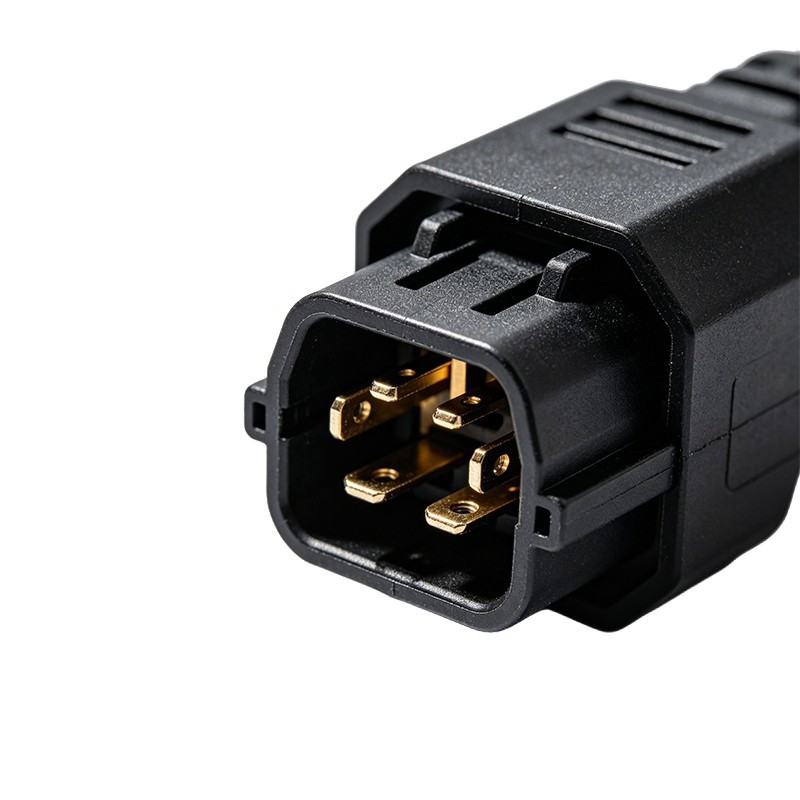
Manufacturers need to find a way to integrate the heavy-duty Ethernet connector into the design of the device in a way that is both functional and aesthetically pleasing. This may require some creative thinking and innovative design solutions.
Solutions and Workarounds
Despite these challenges, there are some solutions and workarounds that can make it possible to use heavy-duty Ethernet connectors in mobile devices.
One approach is to develop smaller and lighter versions of heavy-duty connectors. This would address the size and weight limitations and make it easier to integrate them into mobile devices. Manufacturers can also focus on reducing the power consumption of the connectors by using more efficient technologies.
Another solution is to improve compatibility by developing universal drivers and protocols that can work with a wide range of mobile devices. This would make it easier for manufacturers to integrate the connectors into their products without having to worry about compatibility issues.
In terms of cost, manufacturers can look for ways to reduce the production cost of the connectors. This could involve using more cost-effective materials or streamlining the manufacturing process.
Conclusion
Using heavy-duty Ethernet connectors in mobile devices presents several challenges, including size and weight limitations, power consumption, compatibility issues, cost, environmental considerations, and design and aesthetic concerns. However, with the right solutions and workarounds, it is possible to overcome these challenges and make heavy-duty Ethernet connectors a viable option for mobile devices.
If you're a mobile device manufacturer or a business looking to incorporate heavy-duty Ethernet connectors into your products, I'd love to have a chat with you. We can discuss how our Heavy Duty Electric Cable Connectors and Heavy Connector can meet your specific needs. Let's work together to find the best solution for your project.
References
- Industry reports on mobile device trends and connector technologies.
- Technical specifications of heavy-duty Ethernet connectors.