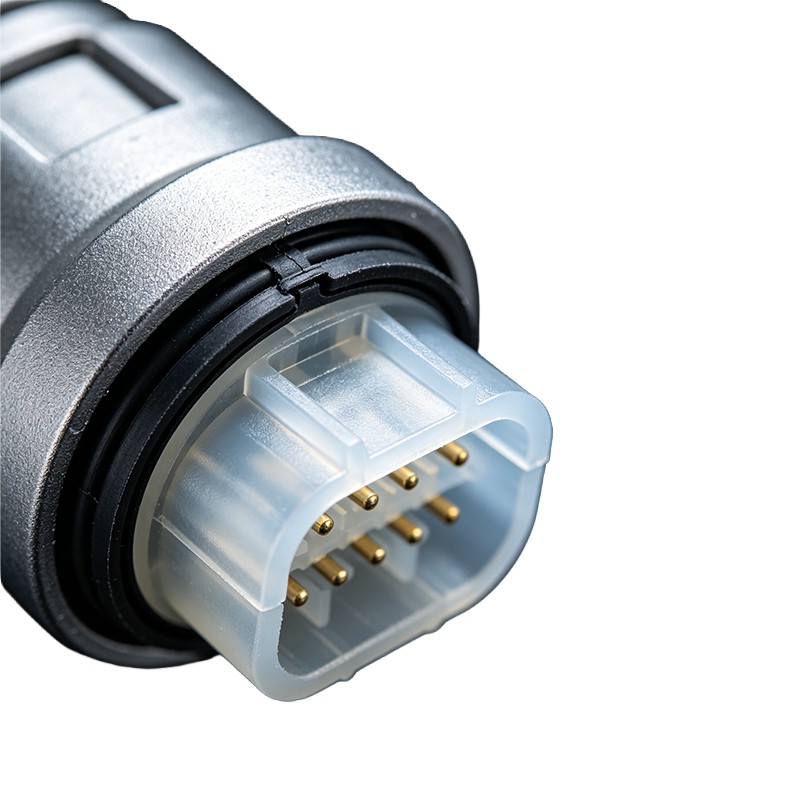
The dimensional precision of parts produced by precision injection molds can reach levels below 0.01 mm, and in high-end applications, this precision remains stable within the range of 0.01 to 0.001 mm.
Precision molds are subject to rigorous requirements; their accuracy depends primarily on high-precision cavity dimensions, precise positioning, and parting line accuracy that meets strict specifications. Consequently, the dimensional tolerances of the mold itself must be controlled to within one-third of the final product's dimensional tolerances.
The structural design of the mold must prioritize high rigidity. To prevent severe elastic deformation of components under conditions of high temperature and high pressure, the number of cavities should be kept relatively low, and the base plates, support plates, and cavity walls must be sufficiently thickened.
Mold design places significant emphasis on ease of demolding. This is achieved by utilizing fewer cavities, employing fewer and shorter runners, and ensuring a surface finish that is significantly smoother than that of standard molds, thereby facilitating the easy release of the molded parts.
The materials selected for the mold typically consist of alloy steels with high mechanical strength. These materials undergo rigorous heat treatment to ensure high hardness (forming components typically reach approximately HRC 52), excellent wear resistance, and strong corrosion resistance.
Mold manufacturing necessitates the use of advanced processes-such as CNC machining to achieve micron-level positioning, and Electrical Discharge Machining (EDM) to address complex geometries-thereby guaranteeing both dimensional accuracy and superior surface quality.
The operating conditions for these molds are extremely demanding; high-pressure, high-speed injection subjects the cavities to intense erosion and friction. Consequently, the mold typically requires maintenance or replacement after undergoing tens of thousands to hundreds of thousands of injection cycles.
The cost of such molds is substantial, driven by factors including specialized design expertise, the utilization of high-precision manufacturing equipment, and the procurement of premium-grade materials.