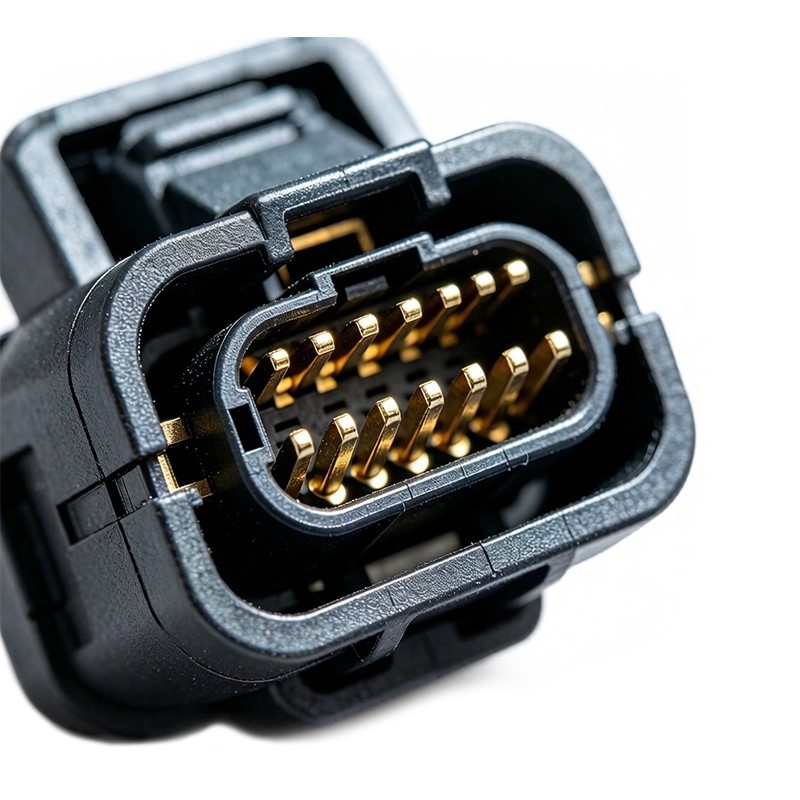
The requirements for connectors in mobile phones include miniaturization, surface-mount capability, standardization and modularity, multi-functional interfaces, ease of operation, high-speed transmission and electromagnetic compatibility, and support for increased storage capacity.
Connectors in mobile phones are primarily utilized in the following sections: ① SIM (Subscriber Identity Module) card connectors; ② LCD (Liquid Crystal Display) connectors; ③ Keypad connectors; ④ I/O (Input/Output) interface connectors; ⑤ Battery connectors; ⑥ Board-to-board connectors; and ⑦ Others. Mobile phone connector products are generally categorized into five major types: FPC connectors, I/O connectors, card connectors, battery connectors, and antenna connectors.
To accommodate the industry trends toward thinner, lighter, and higher-performance mobile phones, connector design continues to evolve toward greater miniaturization, slimness, and enhanced performance. Specific trends include: FPC connector pin pitches are shrinking to 0.3mm and even smaller; Board-to-Board (BTB) connectors require finer pin pitches (e.g., 0.35mm) and lower profiles (e.g., 0.9mm), while also necessitating shielding capabilities; and card connectors are striving for ultra-thin profiles (e.g., 0.50mm) and multi-functional integration (e.g., 2-in-1 connectors combining SIM and T-Flash card slots). The demand for high-speed transmission-driven by technologies such as 5G-has spurred the need for LCP/MPI materials and RF BTB connectors to ensure the stability of high-frequency, high-speed signal transmission.