

Contact plating plays a crucial role in the performance and durability of heavy-duty DC power connectors. As a supplier of heavy-duty DC power connectors, I have witnessed firsthand the significance of contact plating in ensuring reliable electrical connections. In this blog post, I will delve into what contact plating is, its importance for heavy-duty DC power connectors, and the different types of plating commonly used.
What is Contact Plating?
Contact plating is the process of applying a thin layer of metal onto the contact surfaces of connectors. This layer serves multiple purposes, primarily enhancing the electrical conductivity, corrosion resistance, and mechanical durability of the contacts. The plating material is carefully selected based on the specific requirements of the connector application.
Importance of Contact Plating for Heavy-Duty DC Power Connectors
Heavy-duty DC power connectors are designed to handle high currents and are often used in demanding environments. Contact plating is essential for these connectors for the following reasons:
Electrical Conductivity
A high-quality plating material can significantly reduce the contact resistance between the connector pins and the mating components. Lower contact resistance means less power loss in the form of heat, which is crucial when dealing with high currents. This, in turn, improves the overall efficiency of the electrical system.
Corrosion Resistance
Heavy-duty DC power connectors are frequently exposed to harsh environmental conditions, such as moisture, chemicals, and salt spray. Plating provides a protective barrier that prevents the underlying metal from corroding. Corrosion can lead to increased contact resistance, which may cause overheating and ultimately result in connector failure.
Mechanical Durability
The plating layer can enhance the wear resistance of the contact surfaces. Heavy-duty connectors are often subjected to repeated mating and unmating cycles, which can cause abrasion and damage to the contacts. A durable plating material can withstand these mechanical stresses and maintain the integrity of the electrical connection over time.
Types of Contact Plating for Heavy-Duty DC Power Connectors
There are several types of contact plating commonly used for heavy-duty DC power connectors, each with its own advantages and disadvantages.
Gold Plating
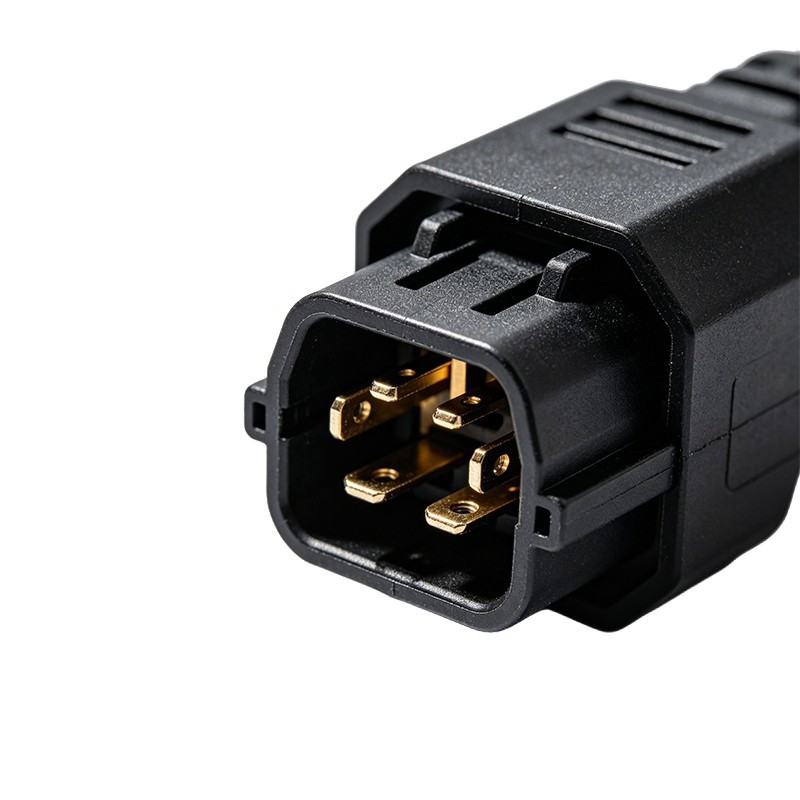
Gold is one of the most popular plating materials for connectors due to its excellent electrical conductivity and corrosion resistance. It has a low contact resistance and does not form an oxide layer, which ensures a stable electrical connection. Gold plating is particularly suitable for applications where reliability is critical, such as aerospace, military, and high-end industrial equipment. However, gold is relatively expensive, which may limit its use in cost-sensitive applications.
Silver Plating
Silver is another highly conductive metal and is more cost-effective than gold. It offers good electrical performance and is commonly used in applications where high current-carrying capacity is required. However, silver is prone to tarnishing when exposed to sulfur-containing compounds in the environment. Tarnishing can increase the contact resistance and affect the performance of the connector. To mitigate this issue, silver-plated connectors are often coated with a protective layer.
Tin Plating
Tin is a widely used plating material for connectors due to its low cost and good solderability. It provides a relatively smooth and uniform surface, which helps to reduce contact resistance. Tin plating is suitable for many general-purpose applications, including automotive, consumer electronics, and industrial control systems. However, tin has a lower melting point compared to gold and silver, which may limit its use in high-temperature applications.
Nickel Plating
Nickel plating is often used as an undercoat for other plating materials. It provides a hard and durable surface that can improve the wear resistance of the contacts. Nickel also offers good corrosion resistance, especially in alkaline environments. However, nickel has a relatively high contact resistance compared to gold and silver, so it is usually combined with a top layer of another metal, such as gold or tin, to improve the electrical performance.
Choosing the Right Contact Plating for Your Application
When selecting the contact plating for heavy-duty DC power connectors, several factors need to be considered:
Electrical Requirements
The electrical conductivity of the plating material is a critical factor. For applications where low contact resistance is essential, such as high-power circuits, gold or silver plating may be the best choice.
Environmental Conditions
The operating environment of the connector plays a significant role in determining the appropriate plating material. If the connector is exposed to harsh chemicals or high humidity, a corrosion-resistant plating, such as gold or nickel, should be selected.
Cost
Cost is always a consideration in any engineering project. While gold plating offers the best performance, it is also the most expensive. Tin plating is a more cost-effective option for many applications, but it may not be suitable for high-end or critical applications.
Mechanical Requirements
If the connector is subjected to frequent mating and unmating cycles, a plating material with good wear resistance, such as nickel or gold, should be chosen.
Conclusion
Contact plating is an essential aspect of heavy-duty DC power connectors. It not only improves the electrical performance but also enhances the corrosion resistance and mechanical durability of the contacts. By choosing the right plating material based on the specific requirements of the application, you can ensure the reliable operation of your electrical system.
As a supplier of heavy-duty DC power connectors, we offer a wide range of products with different contact plating options to meet the diverse needs of our customers. Whether you need Heavy Duty Terminal Connector, Heavy Duty Sae Connector, or Industrial Usb Connector, we have the expertise and resources to provide you with high-quality connectors.
If you are interested in our products or have any questions about contact plating for heavy-duty DC power connectors, please feel free to contact us for procurement and negotiation. We look forward to working with you to find the best solutions for your electrical connection needs.
References
- Groover, M. P. (2010). Fundamentals of Modern Manufacturing: Materials, Processes, and Systems. John Wiley & Sons.
- IPC-A-610E. (2010). Acceptability of Electronic Assemblies. IPC.
- Ohriner, D. (2008). Connector Handbook. McGraw-Hill.