

As a supplier of Crimp Connector Housings, I often encounter inquiries about the dielectric strength of these crucial components. Dielectric strength is a fundamental property that determines the ability of a material to withstand electrical stress without breaking down. In this blog post, I will delve into the concept of dielectric strength, its significance in Crimp Connector Housings, and how it impacts the performance and safety of electrical systems.
Understanding Dielectric Strength
Dielectric strength, also known as breakdown voltage, is the maximum electric field that a dielectric material can withstand before it loses its insulating properties and allows current to flow through it. It is typically measured in volts per unit thickness (V/mil or V/mm). A higher dielectric strength indicates that the material can withstand a greater electrical stress without breaking down.
The dielectric strength of a material depends on several factors, including its chemical composition, physical structure, temperature, and humidity. For example, materials with high molecular weight and strong intermolecular forces tend to have higher dielectric strengths. Additionally, the presence of impurities, voids, or defects in the material can significantly reduce its dielectric strength.
Importance of Dielectric Strength in Crimp Connector Housings
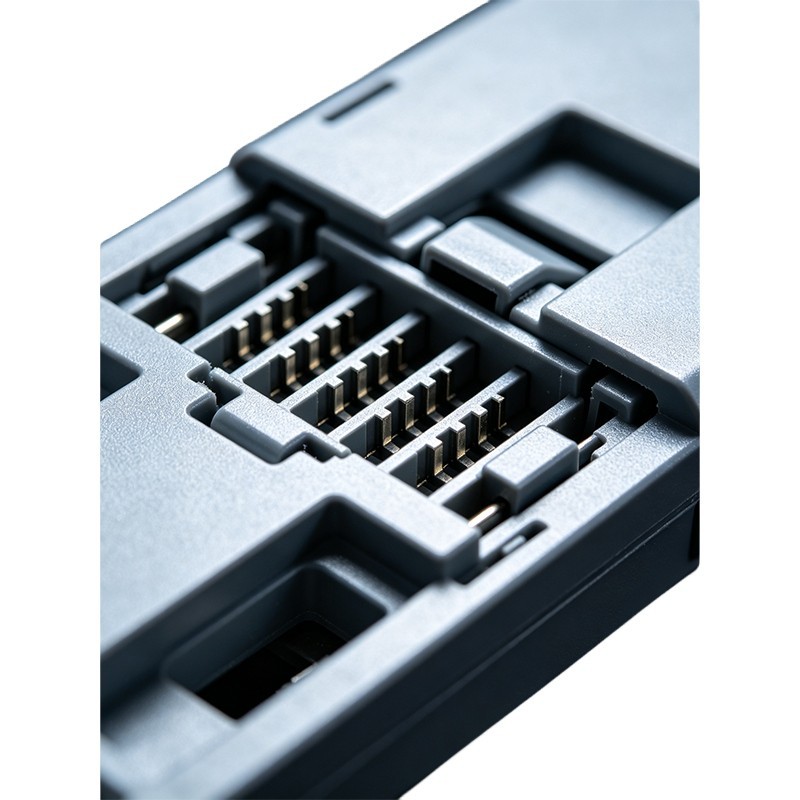
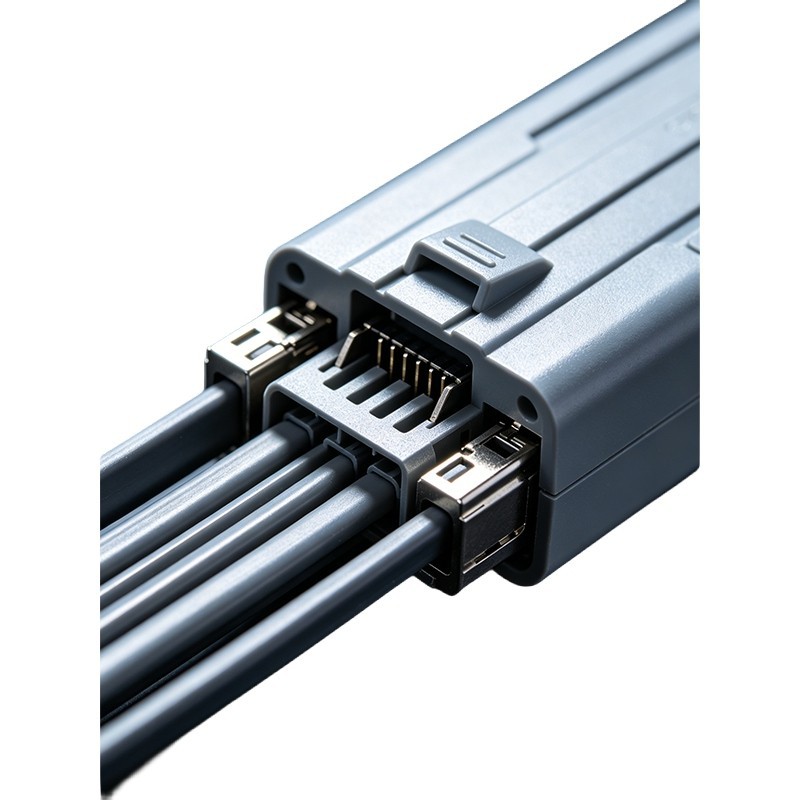
Crimp Connector Housings play a critical role in electrical systems by providing a secure and insulated connection between wires and terminals. The dielectric strength of the housing material is essential for ensuring the safety and reliability of the electrical connection. Here are some key reasons why dielectric strength is important in Crimp Connector Housings:
- Electrical Insulation: The primary function of a Crimp Connector Housing is to insulate the electrical conductors from each other and from the surrounding environment. A high dielectric strength ensures that the housing can effectively prevent electrical leakage and short circuits, even under high voltage or harsh operating conditions.
- Safety: In electrical systems, the risk of electrical shock and fire is a major concern. A Crimp Connector Housing with a low dielectric strength can pose a safety hazard by allowing current to leak through the housing, potentially causing electrical shock or starting a fire. By using a housing material with a high dielectric strength, the risk of electrical accidents can be significantly reduced.
- Reliability: Electrical systems often operate under demanding conditions, such as high temperatures, humidity, and vibration. A Crimp Connector Housing with a high dielectric strength can withstand these conditions without losing its insulating properties, ensuring the long-term reliability of the electrical connection.
Factors Affecting the Dielectric Strength of Crimp Connector Housings
The dielectric strength of Crimp Connector Housings can be affected by several factors, including the following:
- Material Selection: The choice of housing material is crucial for determining its dielectric strength. Common materials used for Crimp Connector Housings include plastics, such as polyamide (PA), polybutylene terephthalate (PBT), and polyphenylene sulfide (PPS). These materials have different dielectric strengths, depending on their chemical composition and physical properties. For example, PPS has a higher dielectric strength than PA and PBT, making it a better choice for applications that require high voltage insulation.
- Manufacturing Process: The manufacturing process can also affect the dielectric strength of Crimp Connector Housings. For example, injection molding is a common manufacturing process used for producing Crimp Connector Housings. If the injection molding process is not properly controlled, it can result in the formation of voids, cracks, or other defects in the housing, which can reduce its dielectric strength.
- Environmental Conditions: The environmental conditions in which the Crimp Connector Housings are used can also affect their dielectric strength. For example, high temperatures, humidity, and exposure to chemicals can degrade the housing material and reduce its dielectric strength. Therefore, it is important to choose a housing material that is resistant to the environmental conditions in which it will be used.
Testing the Dielectric Strength of Crimp Connector Housings
To ensure the quality and reliability of Crimp Connector Housings, it is important to test their dielectric strength. There are several methods for testing the dielectric strength of materials, including the following:
- High Voltage Testing: High voltage testing is a common method for testing the dielectric strength of Crimp Connector Housings. In this method, a high voltage is applied to the housing, and the current flowing through the housing is measured. If the current exceeds a certain threshold, it indicates that the housing has broken down and its dielectric strength has been exceeded.
- Partial Discharge Testing: Partial discharge testing is another method for testing the dielectric strength of Crimp Connector Housings. In this method, a high voltage is applied to the housing, and the partial discharges that occur within the housing are measured. Partial discharges are small electrical discharges that occur within the housing when the electric field exceeds the dielectric strength of the material. By measuring the partial discharges, it is possible to detect the presence of defects or weaknesses in the housing.
Conclusion
In conclusion, the dielectric strength of Crimp Connector Housings is a critical property that determines the ability of the housing to withstand electrical stress without breaking down. A high dielectric strength is essential for ensuring the safety and reliability of electrical systems. By understanding the concept of dielectric strength, its significance in Crimp Connector Housings, and the factors that affect it, it is possible to choose the right housing material and manufacturing process for your application.
If you are interested in purchasing Crimp Connector Housings or have any questions about their dielectric strength, please feel free to contact us for more information. We are a leading supplier of Crimp Connector Housings and can provide you with high-quality products and excellent customer service.
References
- ASTM D149 - Standard Test Method for Dielectric Breakdown Voltage and Dielectric Strength of Solid Electrical Insulating Materials at Commercial Power Frequencies
- IEC 60243 - Electrical strength of insulating materials - Test methods