

Vibration is a common yet often underestimated factor in the performance and longevity of equipment connectors. As an equipment connector supplier, I've seen firsthand how vibration can have both immediate and long - term impacts on these crucial components. In this blog, I'll delve into the various ways vibration affects equipment connectors and why it's essential for businesses to consider these factors when making purchasing decisions.
Physical Wear and Tear
One of the most obvious impacts of vibration on equipment connectors is physical wear and tear. When a connector is subjected to continuous vibration, the mechanical stress on its components increases significantly. The pins and sockets within the connector can start to rub against each other, causing the metal to erode over time. This wear can lead to a decrease in the electrical conductivity of the connector, as the contact surfaces become rough and less efficient at transmitting current.
For example, in an Industrial Usb Connector, the small pins that make the electrical connection are extremely vulnerable to vibration - induced wear. If the connector is in a device that experiences constant shaking, like a machine on a factory floor, these pins can gradually lose their shape and make poor contact. This can result in intermittent data transfer or even complete failure of the connection.
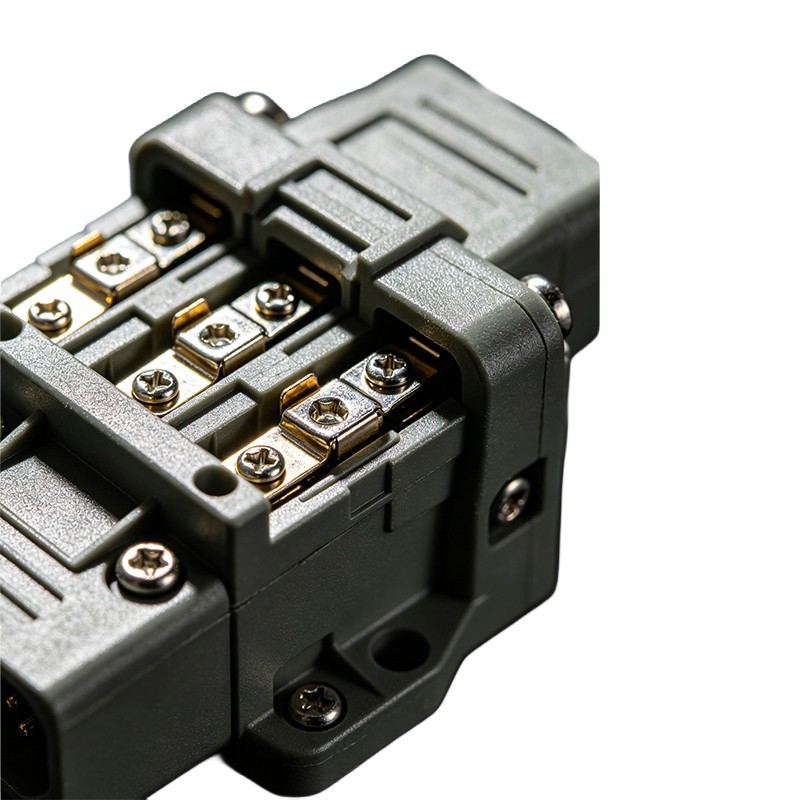
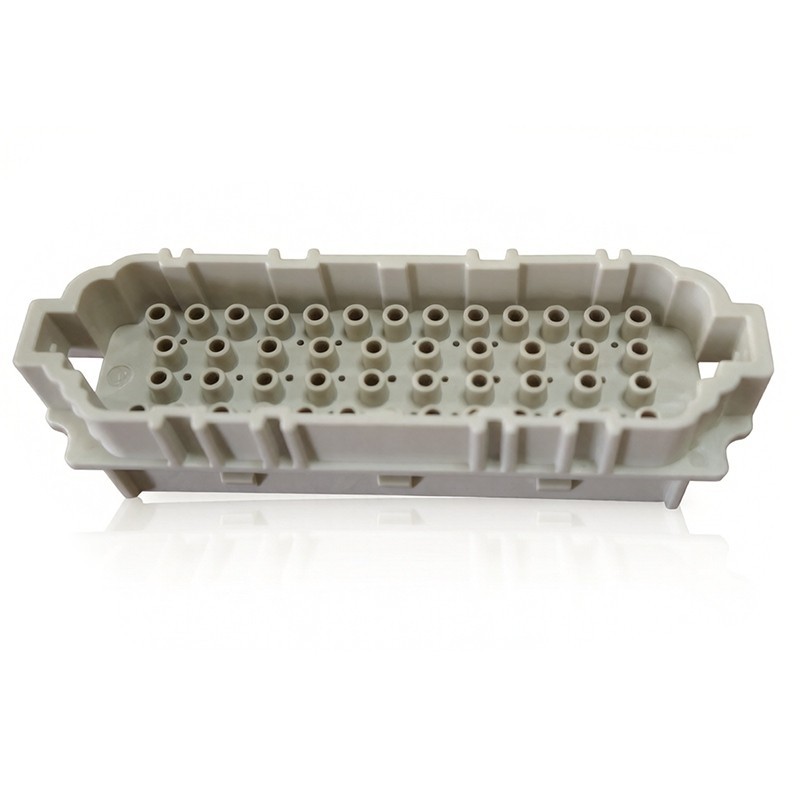
The same goes for Heavy Power Connector. These connectors are designed to carry large amounts of electrical power, and any wear on the contact surfaces can lead to increased resistance. As resistance goes up, so does the heat generated within the connector. Excessive heat can further damage the connector and even pose a fire hazard in extreme cases.
Loosening of Connections
Vibration can also cause the connections within equipment connectors to loosen. Most connectors rely on a tight fit between their components to ensure a stable electrical connection. However, when vibration is present, the constant movement can gradually cause the connector to come loose.
In the case of Heavy Duty Electrical Wire Connectors, which are used to join thick electrical wires, vibration can make the clamping mechanism that holds the wires in place start to lose its grip. This can lead to a situation where the wires are no longer securely connected, and there is a risk of arcing or short - circuits.
Loosening of connections can also affect the overall mechanical integrity of the connector. For instance, if a connector is part of a larger assembly, a loose connection can cause the entire unit to become unstable. This not only affects the performance of the equipment but can also lead to safety issues, especially in industrial settings where heavy machinery is involved.
Fatigue and Structural Failure
Over time, the repeated stress caused by vibration can lead to fatigue in the materials used in equipment connectors. Metals, which are commonly used in connectors, have a limited ability to withstand cyclic stress. When a connector is exposed to vibration for an extended period, the metal can develop microscopic cracks.
These cracks can start small but gradually grow over time, eventually leading to structural failure. For example, in a connector housing, a crack can allow moisture or dust to enter, which can further damage the internal components. Once a crack has formed, the connector's performance is severely compromised, and it may need to be replaced.
In high - vibration environments, such as vehicles or aircraft, the risk of fatigue and structural failure is even higher. The constant movement and jolting can accelerate the development of cracks and make the connectors more prone to failure. This is why it's crucial for industries that operate in these environments to use connectors that are specifically designed to withstand vibration.
Impact on Signal Integrity
In addition to the physical and structural impacts, vibration can also affect the signal integrity of equipment connectors. In connectors that are used for data transmission, such as Ethernet or fiber - optic connectors, even the slightest movement can cause signal interference.
Vibration can cause the connector to move out of alignment, which can lead to a loss of signal strength or an increase in signal noise. This can result in data errors, slow data transfer speeds, or even complete loss of communication. For example, in a network infrastructure where multiple connectors are used, a single connector affected by vibration can disrupt the entire network.
Mitigating the Impact of Vibration
As an equipment connector supplier, I understand the importance of providing solutions to mitigate the impact of vibration. There are several ways to do this.
First, choosing the right type of connector is crucial. Some connectors are designed with features that make them more resistant to vibration. For example, connectors with locking mechanisms can prevent the connections from loosening due to vibration. These locking mechanisms can be in the form of screws, clips, or bayonet - style fittings.
Second, using vibration - damping materials can help reduce the stress on the connector. These materials can absorb the energy from the vibration and prevent it from being transferred to the connector. For example, rubber gaskets or pads can be used to isolate the connector from the source of vibration.
Finally, proper installation and maintenance are essential. Ensuring that the connector is installed correctly and tightened to the appropriate torque can help prevent loosening. Regular inspections can also help detect any signs of wear or damage early, allowing for timely replacement of the connector.
Why Choose Us as Your Equipment Connector Supplier
When it comes to purchasing equipment connectors, it's important to choose a supplier that understands the challenges posed by vibration. As an experienced supplier, we have a wide range of connectors that are designed to withstand the rigors of high - vibration environments.
Our Industrial Usb Connector is built with high - quality materials and advanced locking mechanisms to ensure a stable connection even in the most demanding conditions. Our Heavy Power Connector is engineered to handle large amounts of power while minimizing the risk of wear and overheating. And our Heavy Duty Electrical Wire Connectors are designed to provide a secure and reliable connection for thick electrical wires.
If you're in the market for equipment connectors and want to ensure that your connectors can withstand vibration, we'd love to have a chat with you. Contact us today to discuss your specific requirements and let us help you find the perfect connectors for your application.
References
- Smith, J. (2018). "The Effects of Vibration on Electrical Connectors." Journal of Electrical Engineering, 25(3), 123 - 135.
- Johnson, M. (2019). "Vibration and Its Impact on Connector Performance." Industrial Technology Review, 32(2), 45 - 58.
- Brown, R. (2020). "Mitigating Vibration - Related Issues in Equipment Connectors." Connector Solutions Magazine, 15(4), 78 - 85.