

Mini-ITX motherboards have gained significant popularity in recent years, especially among enthusiasts who prioritize compactness and portability in their PC builds. As a leading supplier of motherboard mounting brackets, I've witnessed firsthand the unique requirements and challenges associated with mounting these smaller motherboards. In this blog post, I'll explore how mini-ITX motherboard mounting brackets differ from standard ones, highlighting the key features, benefits, and considerations for each.
Physical Dimensions and Compatibility
One of the most obvious differences between mini-ITX and standard motherboard mounting brackets lies in their physical dimensions. Mini-ITX motherboards are significantly smaller than their standard counterparts, measuring just 170mm x 170mm compared to the larger ATX (305mm x 244mm) or Micro-ATX (244mm x 244mm) form factors. This compact size necessitates a corresponding reduction in the size of the mounting brackets.
Mini-ITX mounting brackets are designed to fit the specific layout and mounting holes of the mini-ITX motherboard. They typically feature a more streamlined and compact design, with fewer mounting points and a smaller overall footprint. This allows them to be used in smaller cases and chassis, where space is at a premium.
In contrast, standard mounting brackets are designed to accommodate the larger size and more complex layout of ATX and Micro-ATX motherboards. They often have more mounting points and a larger overall size to ensure a secure and stable fit. These brackets are typically used in full-sized desktop cases and server racks, where there is more space available.
Mounting Mechanisms
Another key difference between mini-ITX and standard motherboard mounting brackets is the mounting mechanism used. Mini-ITX motherboards often use a simpler and more compact mounting system, such as standoffs or screws, to secure the motherboard to the case. These mounting points are typically located around the perimeter of the motherboard and are designed to provide a stable and secure connection.
Standard mounting brackets, on the other hand, may use a more complex mounting system, such as a combination of standoffs, screws, and clips, to secure the motherboard to the case. This is because larger motherboards require a more robust and stable mounting system to prevent movement and vibration, which can cause damage to the motherboard or other components.
Cooling and Ventilation
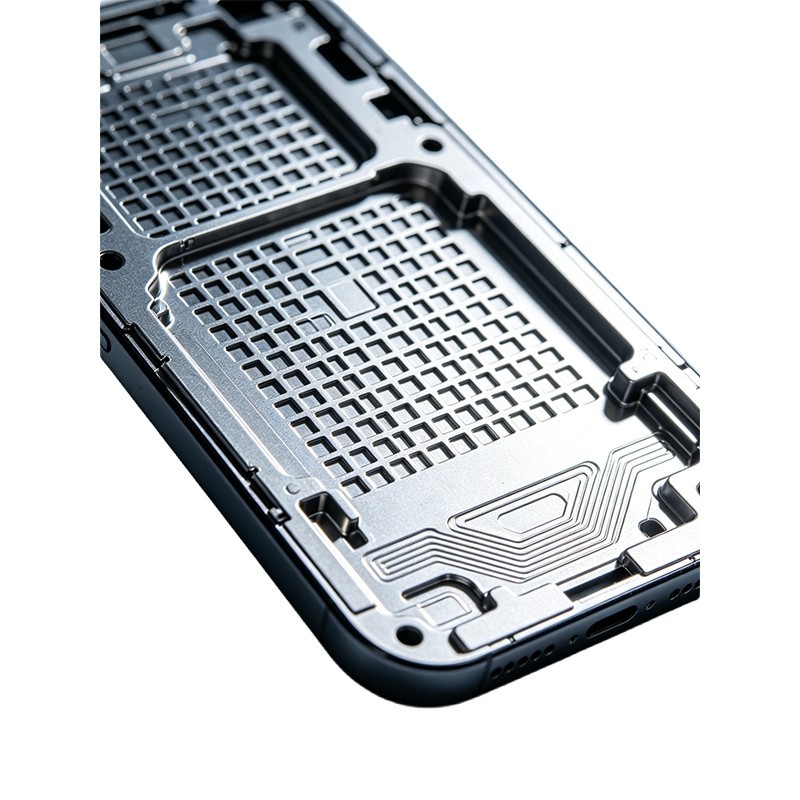
Cooling and ventilation are also important considerations when it comes to motherboard mounting brackets. Mini-ITX motherboards are often used in compact cases, where space is limited and cooling can be a challenge. As a result, mini-ITX mounting brackets may be designed to provide additional ventilation and cooling options, such as cutouts or holes for airflow.
Standard mounting brackets, on the other hand, may not require as much emphasis on cooling and ventilation, as they are typically used in larger cases with more space for airflow. However, they may still be designed to provide some degree of ventilation, especially if the motherboard is used in a high-performance or overclocked system.
EMI Shielding
Electromagnetic interference (EMI) shielding is another important consideration when it comes to motherboard mounting brackets. Mini-ITX motherboards are often used in portable or mobile devices, where they may be exposed to a variety of electromagnetic fields. As a result, mini-ITX mounting brackets may be designed to provide additional EMI shielding to protect the motherboard and other components from interference.
Standard mounting brackets, on the other hand, may not require as much emphasis on EMI shielding, as they are typically used in desktop or server systems, where the risk of EMI interference is lower. However, they may still be designed to provide some degree of EMI shielding, especially if the motherboard is used in a high-performance or sensitive system.
Customization and Flexibility
Mini-ITX motherboards are often used in custom or DIY PC builds, where users may want to customize the appearance and functionality of their system. As a result, mini-ITX mounting brackets may be designed to provide more customization and flexibility options, such as adjustable mounting points or modular designs.
Standard mounting brackets, on the other hand, may be more standardized and less customizable, as they are typically used in mass-produced or pre-built systems. However, they may still be available in a variety of sizes and styles to accommodate different motherboard and case configurations.
Benefits of Mini-ITX Mounting Brackets
There are several benefits to using mini-ITX mounting brackets in your PC build. These include:
- Compactness: Mini-ITX mounting brackets are designed to fit the smaller size of mini-ITX motherboards, making them ideal for use in compact cases and chassis.
- Portability: Mini-ITX motherboards are often used in portable or mobile devices, and mini-ITX mounting brackets can help to ensure that the motherboard is securely and stably mounted in these devices.
- Customization: Mini-ITX mounting brackets may be designed to provide more customization and flexibility options, allowing users to tailor their PC build to their specific needs and preferences.
- Cost-effectiveness: Mini-ITX mounting brackets are often less expensive than standard mounting brackets, making them a more cost-effective option for budget-conscious PC builders.
Benefits of Standard Mounting Brackets
There are also several benefits to using standard mounting brackets in your PC build. These include:
- Compatibility: Standard mounting brackets are designed to fit the larger size and more complex layout of ATX and Micro-ATX motherboards, making them compatible with a wider range of cases and chassis.
- Stability: Standard mounting brackets often use a more complex mounting system, such as a combination of standoffs, screws, and clips, to provide a more stable and secure connection between the motherboard and the case.
- Performance: Standard mounting brackets may be designed to provide better cooling and ventilation options, which can help to improve the performance and reliability of the motherboard and other components.
- Durability: Standard mounting brackets are often made from more durable materials, such as steel or aluminum, which can help to ensure that they last longer and provide better protection for the motherboard.
Considerations for Choosing the Right Mounting Bracket
When choosing a mounting bracket for your motherboard, there are several factors to consider. These include:
- Motherboard Form Factor: The first and most important consideration is the form factor of your motherboard. Make sure to choose a mounting bracket that is compatible with the size and layout of your motherboard.
- Case Compatibility: You also need to consider the compatibility of the mounting bracket with your case. Make sure to choose a mounting bracket that is designed to fit the specific case and chassis that you are using.
- Cooling and Ventilation: If you are using a high-performance or overclocked system, you may need to choose a mounting bracket that provides additional cooling and ventilation options.
- EMI Shielding: If you are using a portable or mobile device, you may need to choose a mounting bracket that provides additional EMI shielding to protect the motherboard and other components from interference.
- Customization and Flexibility: If you are building a custom or DIY PC, you may want to choose a mounting bracket that provides more customization and flexibility options, such as adjustable mounting points or modular designs.
Conclusion
In conclusion, mini-ITX motherboard mounting brackets differ from standard ones in several key ways, including physical dimensions, mounting mechanisms, cooling and ventilation, EMI shielding, and customization and flexibility. When choosing a mounting bracket for your motherboard, it's important to consider the specific needs and requirements of your PC build, as well as the compatibility of the mounting bracket with your motherboard and case.
As a leading supplier of motherboard mounting brackets, we offer a wide range of products to meet the needs of both mini-ITX and standard motherboard users. Our Motherboard Cooler Bracket, EMI Shielding Cover, and Motherboard Retention Bracket are designed to provide the highest level of quality, performance, and compatibility.
If you're interested in learning more about our products or have any questions about motherboard mounting brackets, please don't hesitate to contact us. We're here to help you find the right solution for your PC build.
References
- PCMag. (2023). Mini-ITX Motherboards: Everything You Need to Know. Retrieved from [URL]
- Tom's Hardware. (2023). How to Choose the Right Motherboard for Your PC. Retrieved from [URL]
- AnandTech. (2023). The Best Mini-ITX Motherboards for 2023. Retrieved from [URL]