

Electromagnetic interference (EMI) has become a significant concern in modern electronic devices, as the increasing complexity and miniaturization of circuits lead to higher levels of electromagnetic emissions. EMI shielding covers play a crucial role in protecting sensitive electronic components from the adverse effects of EMI. As a trusted EMI shielding cover supplier, I am excited to share with you the shielding mechanism of an EMI shielding cover.
Understanding Electromagnetic Interference
Before delving into the shielding mechanism, it is essential to understand what EMI is. EMI refers to the disturbance caused by an electromagnetic field on an electrical circuit, which can result in malfunction, reduced performance, or even complete failure of the device. EMI can be generated from various sources, including power lines, radio frequency (RF) transmitters, and other electronic devices.
In electronic devices, EMI can cause problems such as signal interference, data corruption, and increased noise levels. To mitigate these issues, EMI shielding is employed to prevent the penetration of electromagnetic waves into sensitive components.
The Basics of EMI Shielding
EMI shielding is based on the principle of using conductive materials to create a barrier that blocks or attenuates electromagnetic waves. The effectiveness of an EMI shielding cover depends on several factors, including the material properties, the design of the cover, and the frequency of the electromagnetic waves.
The primary mechanism of EMI shielding is reflection and absorption. When an electromagnetic wave encounters a conductive material, part of the wave is reflected back, while the rest is absorbed by the material. The reflected wave is redirected away from the sensitive components, reducing the amount of EMI that reaches them. The absorbed wave is converted into heat energy, which is dissipated by the shielding material.
Material Selection for EMI Shielding Covers
The choice of material for an EMI shielding cover is crucial for its effectiveness. Conductive materials such as metals (e.g., copper, aluminum, and steel) are commonly used due to their high electrical conductivity. These materials can efficiently reflect and absorb electromagnetic waves.
Copper is a popular choice for EMI shielding covers because of its excellent electrical conductivity and corrosion resistance. It is often used in the form of a thin foil or a plated layer on a substrate. Aluminum is another commonly used material, known for its lightweight and good thermal conductivity. Steel is also used in some applications, especially when high strength and durability are required.
In addition to metals, conductive polymers and composite materials are also being developed for EMI shielding applications. These materials offer advantages such as flexibility, ease of processing, and reduced weight.
Design Considerations for EMI Shielding Covers
The design of an EMI shielding cover also plays a significant role in its shielding performance. A well-designed cover should provide a continuous and seamless enclosure around the sensitive components to minimize the leakage of electromagnetic waves.
One important design consideration is the shape and size of the cover. The cover should be designed to fit snugly around the components, leaving no gaps or openings that could allow electromagnetic waves to penetrate. Additionally, the cover should have a sufficient thickness to provide adequate shielding.
Another design consideration is the use of gaskets and seals. Gaskets are used to fill the gaps between the cover and the housing or other components, preventing the leakage of electromagnetic waves. Seals are used to ensure a tight fit between the cover and the housing, further enhancing the shielding effectiveness.
Shielding Mechanism in Different Frequency Ranges
The shielding mechanism of an EMI shielding cover can vary depending on the frequency of the electromagnetic waves. At low frequencies (below 100 kHz), the shielding is mainly achieved through magnetic induction. The conductive material in the cover creates a magnetic field that opposes the incoming magnetic field, reducing the amount of EMI that reaches the sensitive components.
At high frequencies (above 100 MHz), the shielding is mainly achieved through reflection and absorption. The conductive material in the cover reflects the incoming electromagnetic waves, while the absorbed waves are converted into heat energy. The effectiveness of the shielding at high frequencies depends on the conductivity and thickness of the material.
Applications of EMI Shielding Covers
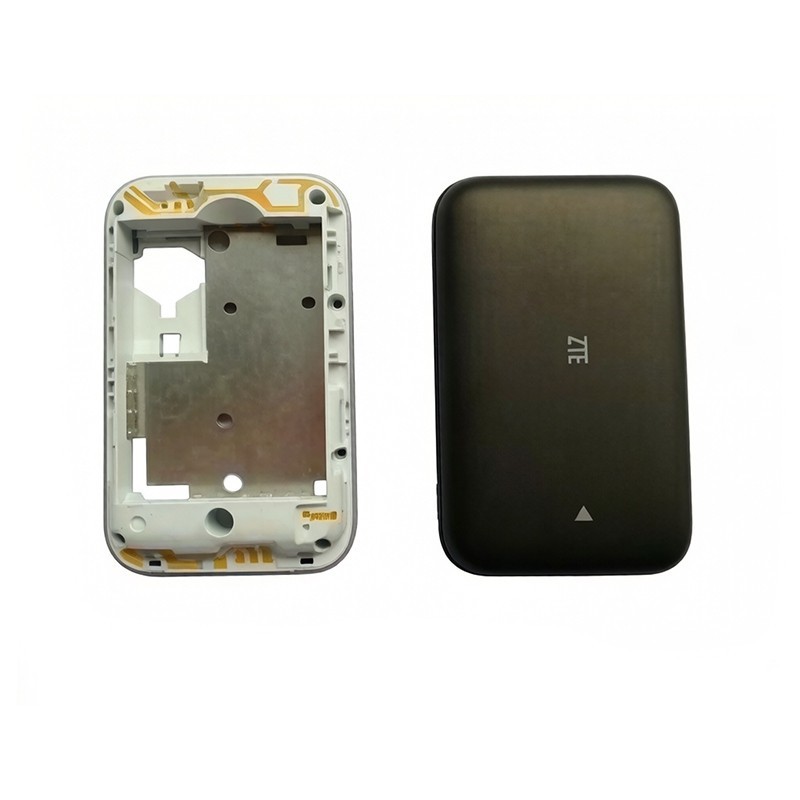
EMI shielding covers are widely used in various electronic devices, including mobile phones, computers, tablets, and automotive electronics. In mobile phones, for example, EMI shielding covers are used to protect the sensitive components such as the motherboard, the display, and the camera from the interference of electromagnetic waves. Mobile Phone Connectors are also important components in mobile phones, and they need to be protected from EMI to ensure proper functioning.
In computers, EMI shielding covers are used to protect the motherboard, the hard drive, and the power supply from the interference of electromagnetic waves. Motherboard Mounting Bracket and Motherboard Cooler Bracket are also important components in computers, and they need to be properly installed to ensure the effectiveness of the EMI shielding.
Conclusion
In conclusion, the shielding mechanism of an EMI shielding cover is based on the principles of reflection and absorption. By using conductive materials and proper design, EMI shielding covers can effectively block or attenuate electromagnetic waves, protecting sensitive electronic components from the adverse effects of EMI.
As an EMI shielding cover supplier, we are committed to providing high-quality shielding solutions to meet the needs of our customers. Our products are designed and manufactured using the latest technology and materials to ensure excellent shielding performance and reliability.
If you are interested in our EMI shielding covers or have any questions about EMI shielding, please feel free to contact us. We look forward to working with you to provide the best shielding solutions for your electronic devices.
References
- Paul, C. R. (2006). Introduction to electromagnetic compatibility. John Wiley & Sons.
- Montrose, M. I. (2000). Printed circuit board design techniques for EMC compliance: A handbook for designers. IEEE Press.
- Schmitt, R. L. (2002). Electromagnetic compatibility engineering. John Wiley & Sons.