

Hey there! As a supplier of Automotive Crimp Terminals, I've seen firsthand how crucial it is to have top-notch conductivity in these terminals. In the automotive world, a good connection can make or break the performance of various electrical systems. So, let's dive into how we can improve the conductivity of automotive crimp terminals.
Understanding the Basics
Before we start talking about improvements, it's important to understand what affects the conductivity of these terminals. Conductivity is all about how easily electricity can flow through a material. In the case of automotive crimp terminals, several factors come into play.
The material of the terminal itself is a biggie. Copper is a popular choice because it has excellent electrical conductivity. It allows electrons to move freely, which means less resistance and better flow of electricity. Aluminum is also used sometimes, but it's not as conductive as copper. The purity of the material matters too. Higher purity metals generally have better conductivity.
Another factor is the crimping process. If the terminal isn't crimped properly onto the wire, it can create a high-resistance connection. This resistance can lead to heat buildup, which not only reduces conductivity but can also cause damage to the terminal and the wire over time.
Choosing the Right Material
As I mentioned earlier, copper is a great option for automotive crimp terminals. It has a high conductivity rating, which means it can carry a large amount of electrical current without much loss. When you're choosing copper terminals, look for ones with a high purity level. Oxygen-free copper (OFC) is often a good choice because it has even better conductivity than regular copper.
But copper isn't the only option. Some terminals are made from a combination of metals, like copper alloys. These alloys can offer a balance between conductivity and other properties, like strength and corrosion resistance. For example, brass is a copper-zinc alloy that's commonly used in terminals. It has decent conductivity and is more resistant to corrosion than pure copper.
If you're looking for other components to go with your automotive crimp terminals, check out Electrical Pins for Connector. These pins can play a crucial role in the overall electrical connection in your automotive system.
Improving the Crimping Process
The crimping process is where things can really go wrong if not done correctly. To get a good crimp, you need to make sure the terminal and the wire are a good fit. The terminal should be the right size for the wire gauge. If the terminal is too big, it won't make a tight connection, and if it's too small, it can damage the wire.
Use a high-quality crimping tool. A good tool will apply the right amount of force evenly across the terminal, creating a solid connection. There are different types of crimping tools available, from manual hand tools to automated machines. The type you choose depends on your production volume and the level of precision you need.
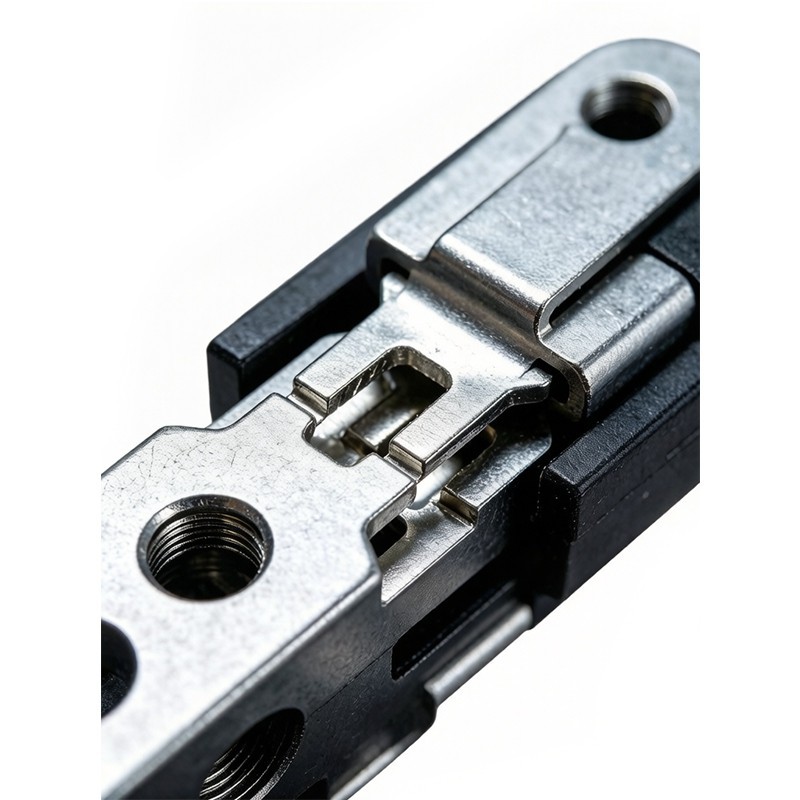
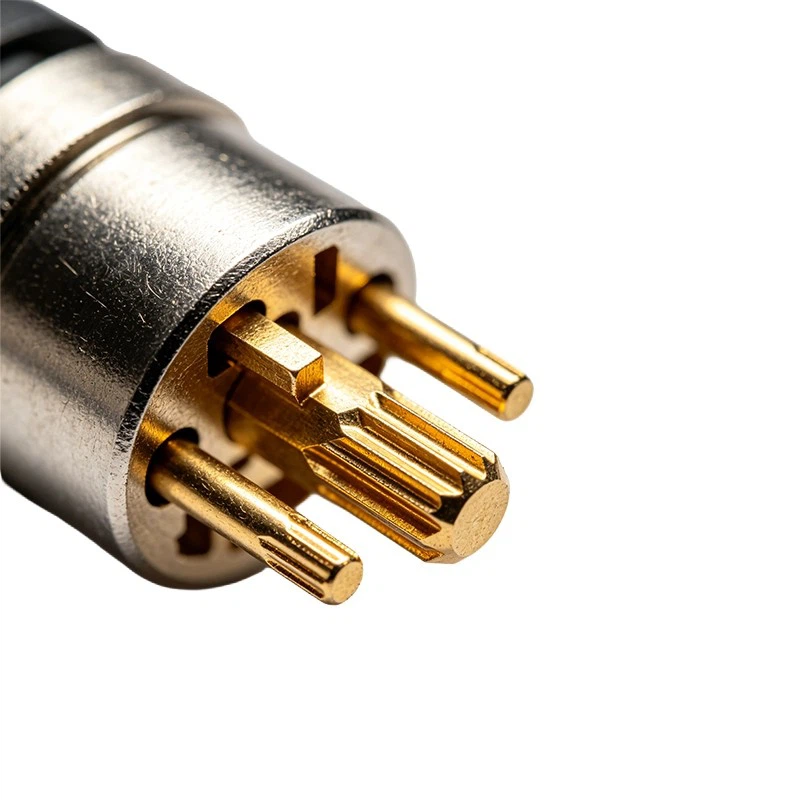
Before crimping, make sure the wire is clean and free of any dirt, grease, or oxidation. Oxidation can create a layer of insulation on the wire, which increases resistance. You can clean the wire using a wire brush or a special cleaning solution.
Surface Treatment
Surface treatment can also improve the conductivity of automotive crimp terminals. One common treatment is plating. Plating involves applying a thin layer of another metal onto the surface of the terminal. For example, tin plating is often used because it provides good corrosion resistance and can improve the contact between the terminal and the wire.
Gold plating is another option, although it's more expensive. Gold has excellent conductivity and is highly resistant to corrosion. It's often used in high-performance applications where reliability is crucial.
Another surface treatment is passivation. This process involves creating a thin, protective layer on the surface of the terminal to prevent oxidation. Passivation can help maintain the conductivity of the terminal over time.
Design Considerations
The design of the terminal can also have an impact on its conductivity. A well-designed terminal will have a large contact area with the wire. This increases the surface area through which electricity can flow, reducing resistance.
Some terminals are designed with multiple contact points. These points can provide redundant paths for electricity to flow, which can improve the overall conductivity and reliability of the connection.
When choosing a terminal, consider the shape and size of the connector housing it will be used with. Automotive Connector Housing can play a role in how well the terminal makes contact with other components in the electrical system. A properly designed housing can help ensure a secure and conductive connection.
Testing and Quality Control
Once you've made all these improvements, it's important to test the conductivity of your automotive crimp terminals. You can use a multimeter to measure the resistance of the connection. A low resistance value indicates good conductivity.
Implement a quality control process to ensure that all your terminals meet the required standards. This can involve inspecting the terminals for proper crimping, surface treatment, and design. Regular testing can help you catch any issues early and make adjustments as needed.
Conclusion
Improving the conductivity of automotive crimp terminals is a multi-step process. It involves choosing the right material, perfecting the crimping process, applying surface treatments, considering design factors, and implementing testing and quality control. By taking these steps, you can ensure that your terminals provide a reliable and efficient electrical connection in automotive applications.
If you're in the market for high-quality automotive crimp terminals or related accessories, we'd love to have a chat. Feel free to reach out to us to discuss your specific needs and explore how we can help you with your automotive electrical projects.
References
- "Electrical Conductivity of Metals." Physics Classroom.
- "Automotive Electrical Systems: Design and Development." SAE International.
- "Crimping Handbook." TE Connectivity.