

As a supplier of industrial USB connectors, I've witnessed firsthand the rapid evolution of this field. In this blog, I'll delve into the future development directions of industrial USB connectors, exploring the trends that will shape the industry in the coming years.
1. Higher Data Transfer Speeds
One of the most significant trends in the future of industrial USB connectors is the demand for higher data transfer speeds. As industries become more data - intensive, with applications such as high - resolution video surveillance, real - time data analytics, and industrial automation, the need for faster data transmission is crucial.
The current USB standards, like USB 3.2 and USB4, already offer impressive data transfer rates. However, future industrial USB connectors are likely to push these boundaries even further. For instance, research is being conducted on technologies that can achieve speeds of up to 100 Gbps or more. This will enable seamless transfer of large volumes of data in industrial settings, reducing latency and improving overall system efficiency.
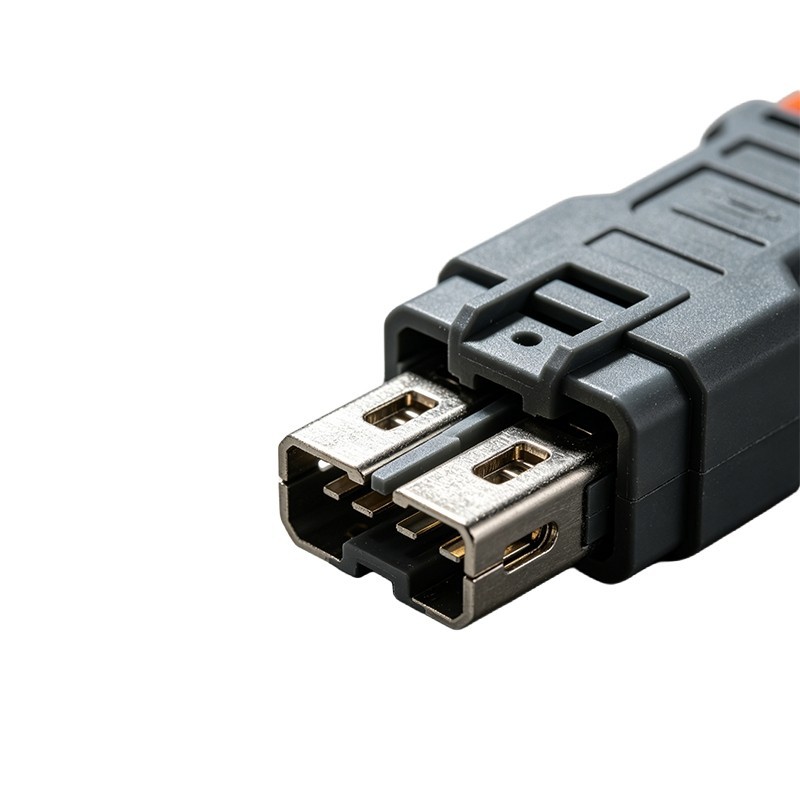
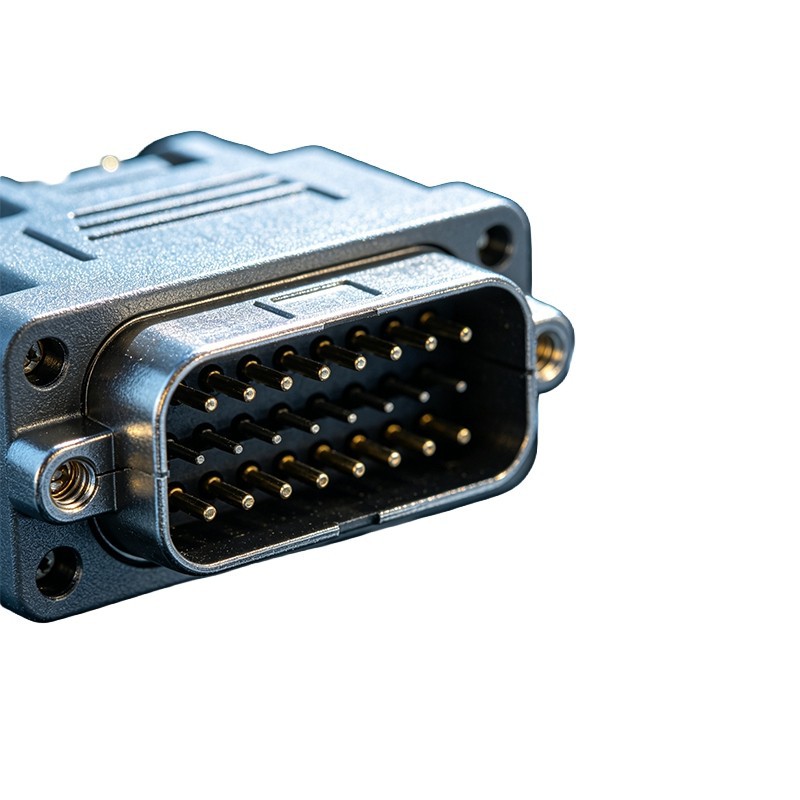
2. Enhanced Durability and Reliability
Industrial environments are often harsh, with factors such as extreme temperatures, humidity, dust, and vibrations. Therefore, future industrial USB connectors need to be more durable and reliable than ever before.
Manufacturers are investing in new materials and designs to improve the robustness of these connectors. For example, connectors may be made from high - strength plastics or metals that can withstand mechanical stress and chemical corrosion. Sealing technologies will also be enhanced to prevent the ingress of dust and moisture, ensuring long - term performance in challenging conditions. The Heavy Duty Terminal Connector is a prime example of a product that meets these high - durability requirements, designed to operate in tough industrial environments.
3. Miniaturization
As industrial equipment becomes more compact and integrated, there is a growing demand for smaller industrial USB connectors. Miniaturization allows for more efficient use of space within devices, enabling the development of smaller and more portable industrial products.
Future connectors will be designed to have a smaller form factor without sacrificing performance. This will require advanced manufacturing techniques and innovative designs. For example, some connectors may use micro - scale components and more efficient circuit layouts to reduce their size. The Heavy Connector may also see future iterations with more compact designs to meet the miniaturization trend.
4. Wireless and Hybrid Connectivity
The future of industrial USB connectors may not be limited to physical connections. Wireless technology is becoming increasingly important in industrial applications, and USB connectors are likely to incorporate wireless capabilities.
Hybrid connectors that combine both wired and wireless functionality will offer greater flexibility. For example, in a factory setting, a device may be connected to a network via a wired USB connection for high - speed data transfer, but also be able to communicate wirelessly for short - range data exchange or when mobility is required. This will enable more dynamic and adaptable industrial systems.
5. Standardization and Compatibility
With the increasing variety of industrial devices and systems, standardization and compatibility will be key factors in the future development of industrial USB connectors.
Industry standards ensure that connectors can work seamlessly with different devices and systems. Future efforts will focus on further refining and expanding these standards to accommodate new technologies and applications. Compatibility will also extend to different generations of USB standards, allowing for easy integration of legacy and new devices. For example, a new industrial USB connector should be able to work with both USB 2.0 and USB 3.0 devices, providing backward and forward compatibility.
6. Smart and Self - Monitoring Connectors
In the era of the Internet of Things (IoT), industrial USB connectors are likely to become smarter. Smart connectors will be able to monitor their own performance, such as data transfer rates, power consumption, and temperature. They can also detect faults and send alerts to the system administrator.
This self - monitoring feature will enable proactive maintenance, reducing downtime and improving the overall reliability of industrial systems. For example, if a connector detects a drop in data transfer speed, it can trigger an alert, allowing technicians to investigate and resolve the issue before it causes a major problem.
7. Customization
Industrial applications have diverse requirements, and future industrial USB connectors will offer more customization options. Manufacturers will be able to tailor connectors to specific customer needs, such as the number of pins, the type of shielding, and the form factor.
Customization allows for better integration of connectors into unique industrial systems, improving performance and functionality. For example, a specialized industrial machine may require a USB connector with a specific pin configuration and shielding to meet its electromagnetic compatibility (EMC) requirements. The Heavy Duty 2 Pin Connector can be customized in various ways to suit different industrial applications.
8. Power Delivery Improvements
In addition to data transfer, power delivery is an important aspect of industrial USB connectors. Future connectors will be designed to provide higher power levels more efficiently.
This is particularly important for power - hungry industrial devices such as high - performance sensors, actuators, and industrial computers. Improved power delivery capabilities will enable these devices to operate without the need for additional power sources, simplifying the overall system design.
Contact for Purchase and Negotiation
If you are interested in our industrial USB connectors and want to discuss your specific requirements, we welcome you to reach out to us. We have a wide range of products that can meet the diverse needs of industrial applications, and our team of experts is ready to provide you with professional advice and solutions.
References
- "Industrial Connector Handbook", published by a leading industry association
- Research papers on emerging technologies in the field of industrial USB connectors from academic journals