

In the automotive industry, the quality of crimp terminals is of paramount importance. As a supplier of automotive crimp terminals, I have witnessed firsthand the critical role these components play in ensuring the reliable operation of vehicles. In this blog post, I will delve into the key features of high - quality automotive crimp terminals.
1. Electrical Conductivity
One of the most fundamental features of high - quality automotive crimp terminals is excellent electrical conductivity. These terminals are responsible for transmitting electrical signals and power throughout the vehicle's electrical system. A high - conductivity terminal minimizes resistance, which in turn reduces power loss and heat generation.
Copper is a commonly used material for automotive crimp terminals due to its superior electrical conductivity. High - quality terminals are often made from high - purity copper, which ensures efficient current flow. For example, in a modern vehicle's lighting system, a well - conducting crimp terminal can ensure that the headlights and taillights receive the appropriate amount of power, resulting in optimal illumination.
2. Mechanical Strength
Automotive crimp terminals need to withstand various mechanical stresses during the vehicle's operation. Vibration, shock, and temperature changes are common challenges that these terminals face. High - quality terminals are designed to have sufficient mechanical strength to maintain a secure connection over time.
The crimping process is crucial in determining the mechanical strength of the terminal. A proper crimp creates a tight and durable connection between the terminal and the wire. This connection should be able to resist pulling forces and prevent the wire from coming loose. For instance, in the engine compartment, where vibrations are significant, a strong crimp terminal ensures that the electrical connections remain intact, preventing electrical failures.
3. Corrosion Resistance
The automotive environment is harsh, with exposure to moisture, salt, and other corrosive substances. High - quality automotive crimp terminals are engineered to resist corrosion. This is typically achieved through the use of protective coatings.
Zinc plating is a common method to enhance corrosion resistance. It forms a protective layer on the terminal surface, preventing the underlying metal from reacting with corrosive agents. For example, in coastal areas where vehicles are exposed to saltwater, terminals with good corrosion resistance can ensure long - term reliability of the electrical system.
4. Temperature Resistance
Automotive crimp terminals must be able to operate effectively across a wide range of temperatures. In the engine compartment, temperatures can reach extremely high levels, while in cold climates, terminals need to function in sub - zero conditions.
High - quality terminals are made from materials that can withstand these temperature variations without losing their mechanical and electrical properties. For example, some terminals are designed with heat - resistant polymers or alloys that can maintain their shape and conductivity even at high temperatures.
5. Compatibility
Compatibility is another key feature of high - quality automotive crimp terminals. These terminals need to be compatible with different types of wires, connectors, and automotive systems.
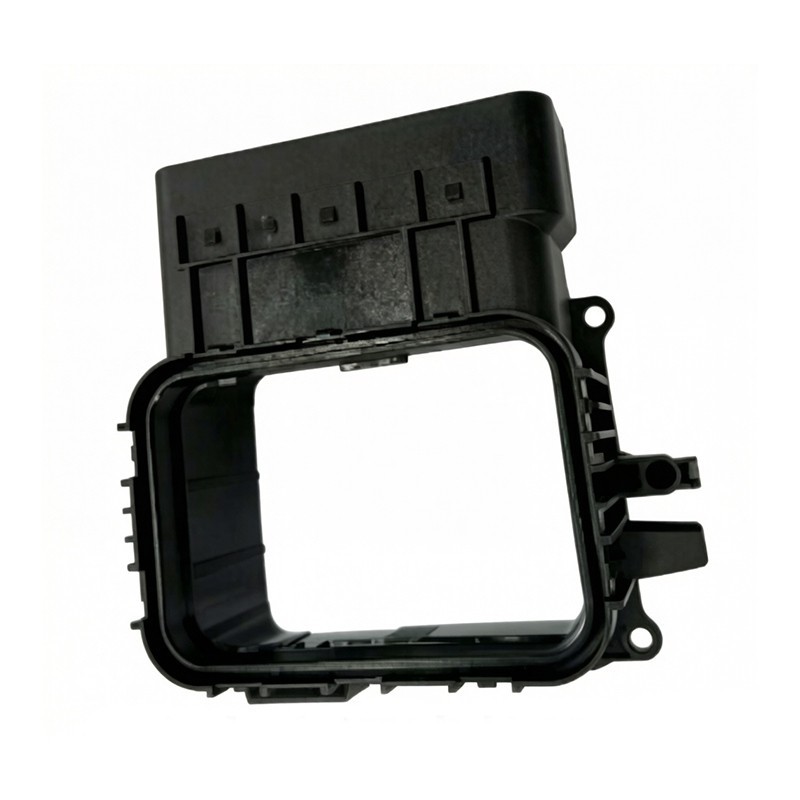
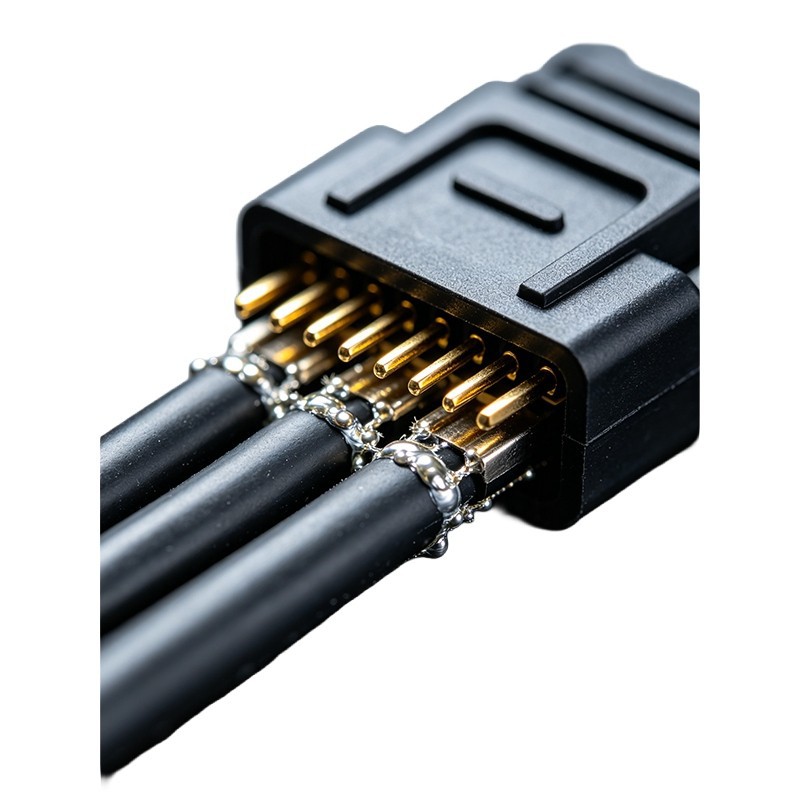
They should fit precisely into the corresponding Automotive Connector Housing and Headers and Wire Housings. Additionally, they must be able to mate properly with Electrical Pins for Connector. Ensuring compatibility helps to prevent electrical failures and ensures the seamless integration of the terminal into the vehicle's electrical system.
6. Precision Manufacturing
High - quality automotive crimp terminals are manufactured with high precision. The dimensions of the terminal, such as the width, length, and thickness, must be accurate to ensure a proper fit and connection.
Precision manufacturing also ensures that the crimping process is consistent. Each terminal should have the same crimp force and shape, which is essential for reliable electrical performance. Advanced manufacturing techniques, such as computer - controlled machining and automated crimping processes, are often used to achieve this level of precision.
7. Insulation and Sealing
Proper insulation and sealing are crucial for automotive crimp terminals. Insulation helps to prevent short - circuits and electrical interference. High - quality terminals are often equipped with insulating materials that provide a high level of electrical isolation.
Sealing is also important to protect the terminal from moisture and contaminants. Sealed terminals can prevent water ingress, which is especially important in areas where the vehicle may be exposed to rain or water splashes. For example, in the vehicle's undercarriage, sealed terminals can ensure the reliability of the electrical connections.
8. Quality Assurance
As a supplier of automotive crimp terminals, we implement strict quality assurance measures. Each terminal undergoes a series of tests to ensure that it meets the required standards.
These tests include electrical conductivity tests, mechanical strength tests, and corrosion resistance tests. Only terminals that pass these tests are released for use in the automotive industry. Quality assurance helps to ensure that our customers receive high - quality terminals that can perform reliably in the automotive environment.
Contact for Purchase and Negotiation
If you are in the market for high - quality automotive crimp terminals, we are here to serve you. Our terminals are designed to meet the highest standards of quality and performance. Whether you are an automotive manufacturer, a repair shop, or a distributor, we can provide you with the right terminals for your needs. Contact us to discuss your requirements and start a negotiation for your purchase.
References
- "Automotive Electrical Systems: Principles and Diagnosis" by William H. Crouse and Donald L. Anglin.
- "Handbook of Automotive Power Electronics and Motor Drives" by Ali Emadi.