

Hey there! As an automotive connector supplier, I often get asked about all sorts of technical aspects of our products. One question that comes up quite a bit is, "What is the insulation resistance of automotive connectors?" Well, let's dive right into it.
First off, insulation resistance is a crucial parameter when it comes to automotive connectors. It's basically a measure of how well the insulating material in the connector can resist the flow of electric current. In simple terms, it tells us how good the connector is at keeping the electricity where it's supposed to be and preventing any unwanted leakage.
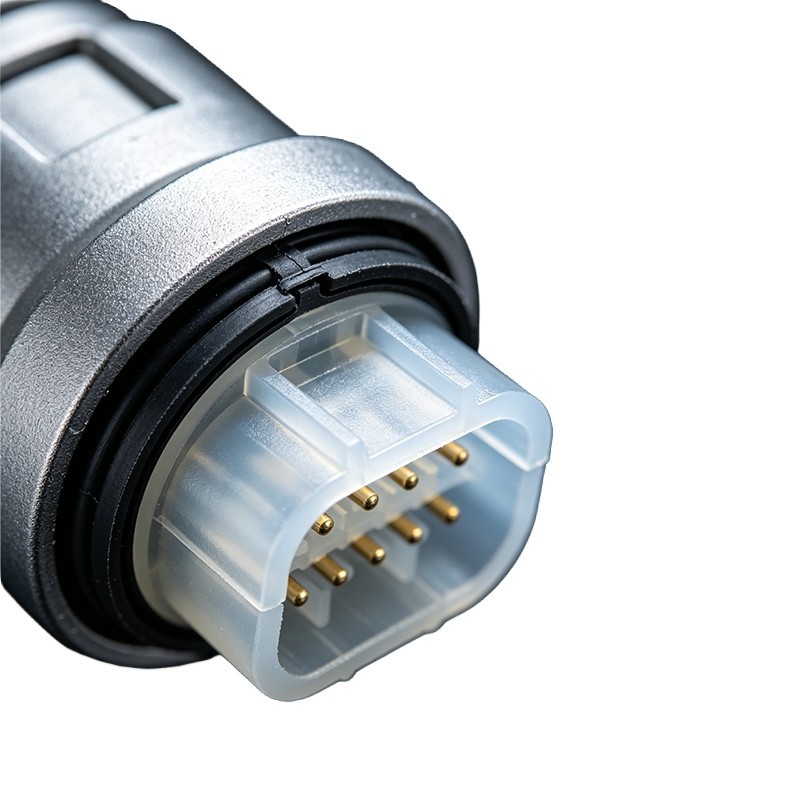
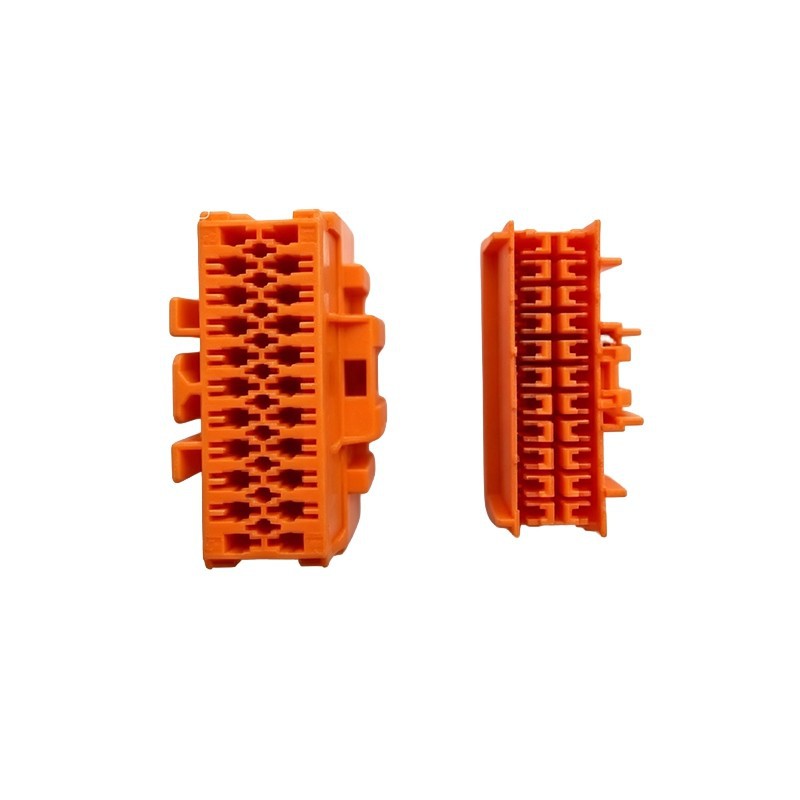
Why is this so important in the automotive world? Well, cars are full of electrical systems, from the engine control unit to the lights and everything in between. If the insulation resistance of a connector is too low, it can lead to all sorts of problems. For example, it could cause electrical shorts, which can damage components, reduce the efficiency of the electrical system, and even pose a safety risk.
Now, let's talk about how insulation resistance is measured. There are a few different methods, but one of the most common is using a megohmmeter. This device applies a known voltage to the connector and measures the resulting current. By using Ohm's Law (V = IR, where V is voltage, I is current, and R is resistance), we can calculate the insulation resistance.
The insulation resistance of automotive connectors can vary depending on a few factors. One of the main factors is the type of insulating material used. Different materials have different properties, and some are better at insulating than others. For example, some connectors use plastic materials, while others use rubber or other elastomers. Each material has its own advantages and disadvantages when it comes to insulation resistance.
Another factor that can affect insulation resistance is the environment in which the connector is used. Automotive connectors are often exposed to harsh conditions, such as high temperatures, humidity, and vibration. These conditions can degrade the insulating material over time, reducing the insulation resistance. That's why it's important to choose connectors that are designed to withstand these conditions.
At our company, we offer a wide range of automotive connectors with different insulation resistance ratings. For example, our Automotive Weatherproof Connectors are designed to be used in outdoor and harsh environments. They have a high insulation resistance to ensure reliable performance even in wet and dirty conditions.
Our Multiple Wire Connectors Automotive are another popular option. These connectors are used to connect multiple wires together, and they also have a high insulation resistance to prevent any electrical interference between the wires.
And if you're looking for connectors for your car lights, our Car Light Connectors are a great choice. They are designed to provide a secure and reliable connection for your car's lighting system, with a high insulation resistance to ensure that the lights work properly.
So, how do you choose the right automotive connector with the appropriate insulation resistance for your application? Well, it depends on a few things. First, you need to consider the electrical requirements of your system. How much current will be flowing through the connector? What is the voltage? These factors will help you determine the minimum insulation resistance that you need.
You also need to consider the environment in which the connector will be used. If it will be exposed to high temperatures, humidity, or vibration, you'll need a connector with a higher insulation resistance and better environmental protection.
Finally, it's always a good idea to consult with an expert. At our company, we have a team of experienced engineers who can help you choose the right connector for your specific application. We can also provide you with technical support and advice to ensure that your electrical system works properly.
In conclusion, insulation resistance is a critical factor when it comes to automotive connectors. It ensures the reliability and safety of your car's electrical system. By choosing the right connector with the appropriate insulation resistance, you can avoid electrical problems and ensure that your car runs smoothly.
If you're interested in learning more about our automotive connectors or have any questions about insulation resistance, please don't hesitate to contact us. We'd be happy to help you find the right solution for your needs.
References:
- Electrical Engineering Handbook, Third Edition
- Automotive Electrical Systems: Principles and Diagnosis