

In the ever - evolving landscape of technology, the question of whether a mobile phone connector can be used to connect to a VR headset is both relevant and intriguing. As a supplier of mobile phone connectors, I have witnessed firsthand the rapid advancements in both mobile and virtual reality technologies. This blog post aims to explore the feasibility, challenges, and potential of using mobile phone connectors for VR headset connections.
Understanding Mobile Phone Connectors
Mobile phone connectors come in various types, each with its own set of specifications and capabilities. The most common types include USB - C, Lightning, and Micro - USB. USB - C has become increasingly popular due to its high - speed data transfer rates, power delivery capabilities, and reversible design. Lightning is exclusive to Apple devices, offering a secure and efficient connection for iPhones and iPads. Micro - USB, although less common in newer devices, is still used in some budget smartphones and older models.
These connectors are designed primarily for data transfer between the mobile phone and other devices such as computers, chargers, and external storage. They can also be used for charging the phone's battery. The data transfer speeds vary depending on the connector type and the device's compatibility. For example, USB - C can support data transfer rates of up to 10 Gbps or even higher in some cases, while Lightning typically offers lower speeds but is optimized for Apple's ecosystem.
VR Headset Requirements
VR headsets require a significant amount of data to be transferred in real - time to create a seamless virtual reality experience. This includes high - resolution video, audio, and sensor data. The headset also needs to be powered, either through a built - in battery or an external power source.
In terms of data transfer, VR headsets often require high - bandwidth connections to ensure smooth and lag - free operation. This means that the connector used to link the mobile phone to the VR headset must be able to handle large amounts of data quickly. Additionally, the connection needs to be stable to prevent any interruptions in the VR experience.
Power delivery is another crucial aspect. Some VR headsets have their own batteries, but others rely on the mobile phone for power. In such cases, the mobile phone connector must be capable of providing sufficient power to keep the VR headset running.
Feasibility of Using Mobile Phone Connectors for VR Headsets
The feasibility of using a mobile phone connector to connect to a VR headset depends on several factors.
Compatibility
One of the primary concerns is compatibility between the mobile phone and the VR headset. Not all VR headsets are designed to work with all types of mobile phone connectors. For example, an Android - based VR headset may be compatible with USB - C or Micro - USB connectors, while an Apple - specific VR headset may only work with Lightning connectors.
Even if the physical connector types match, there may be software compatibility issues. The VR headset and the mobile phone need to have compatible operating systems and drivers to communicate effectively. Some VR headsets require specific apps to be installed on the mobile phone to function properly.
Data Transfer Capabilities
As mentioned earlier, VR headsets require high - speed data transfer. While USB - C connectors are capable of high - speed data transfer, not all mobile phones support the maximum data transfer rates. For example, a budget Android phone with a USB - C connector may only support USB 2.0 speeds, which are significantly lower than the USB 3.1 or 3.2 speeds required for a smooth VR experience.
Lightning connectors also have limitations in terms of data transfer speed. Although Apple has improved the capabilities of Lightning over the years, it may still not be sufficient for some high - end VR applications.
Power Delivery
Power delivery is another challenge. Some VR headsets consume a large amount of power, and the mobile phone may not be able to provide enough power through its connector. This can lead to issues such as the VR headset shutting down or the mobile phone's battery draining quickly.
However, if the VR headset has its own battery and only uses the mobile phone for data transfer, the power delivery issue may be less of a concern.
Advantages of Using Mobile Phone Connectors for VR Headsets
Despite the challenges, there are several advantages to using mobile phone connectors for VR headsets.
Cost - Effectiveness
Using a mobile phone connector eliminates the need for additional cables or adapters. This can significantly reduce the cost of the VR setup, making it more accessible to a wider range of consumers. For example, instead of purchasing a dedicated VR cable, users can simply use the existing charging cable of their mobile phone.
Portability
Mobile phone connectors are designed to be portable, which means that the VR setup can be easily carried around. Users can connect their mobile phones to the VR headset on the go, allowing them to enjoy virtual reality experiences anywhere.
Ease of Use
Most people are familiar with using mobile phone connectors for charging and data transfer. This makes it easier for them to connect their mobile phones to the VR headset without having to learn how to use a new type of connector.
Challenges and Solutions
While there are advantages to using mobile phone connectors for VR headsets, there are also challenges that need to be addressed.
Data Transfer Limitations
To overcome the data transfer limitations, manufacturers can develop mobile phones and VR headsets that support higher - speed data transfer protocols. For example, more mobile phones could be equipped with USB 3.2 or Thunderbolt connectors, which offer much higher data transfer rates.
Another solution is to optimize the VR content to reduce the amount of data that needs to be transferred. This can be achieved through techniques such as compression and streaming.
Power Delivery Issues
To address power delivery issues, VR headset manufacturers can design headsets with more efficient power consumption. They can also include built - in batteries with longer battery life. Additionally, mobile phone manufacturers can improve the power delivery capabilities of their connectors.
Related Products
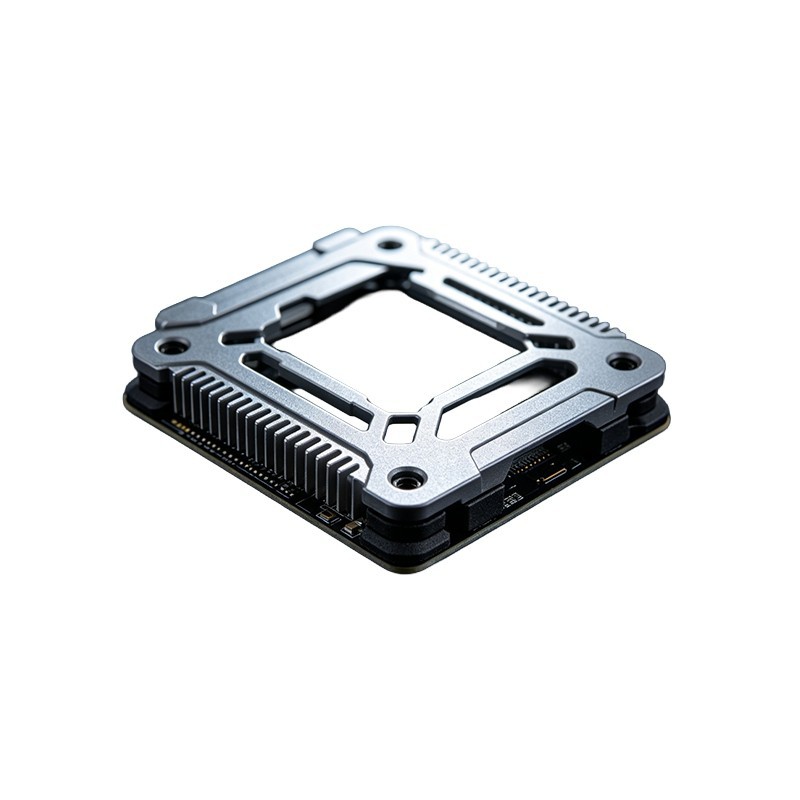
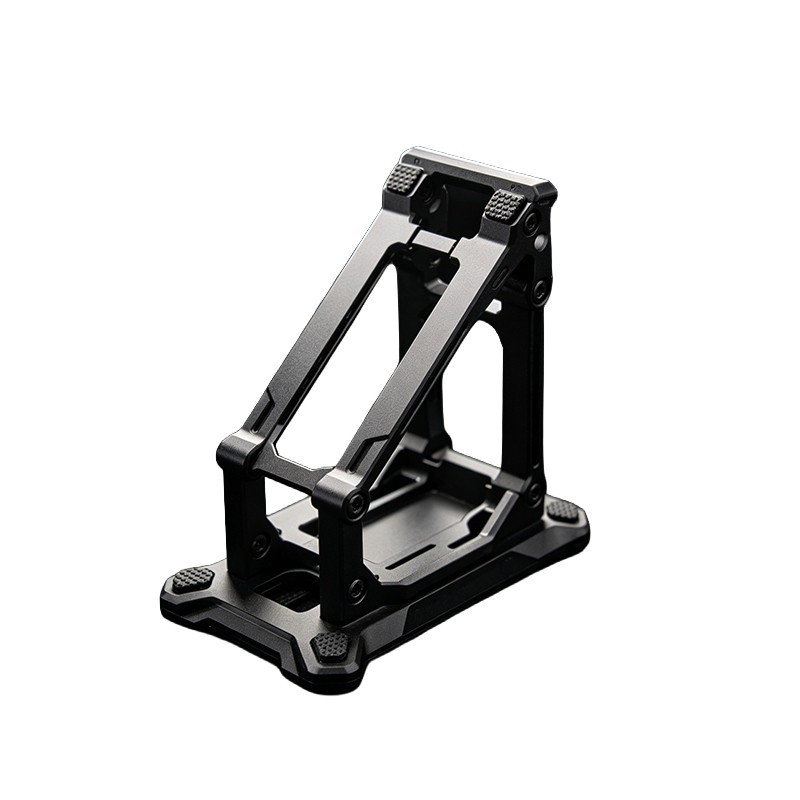
In addition to mobile phone connectors, there are other accessories that can enhance the VR experience. For example, Motherboard Retention Bracket, Motherboard Mounting Bracket, and Motherboard Cooler Bracket can be used to ensure the stability and proper functioning of the motherboard in a PC - based VR setup.
Conclusion
In conclusion, while it is possible to use a mobile phone connector to connect to a VR headset, there are several factors to consider. Compatibility, data transfer capabilities, and power delivery are the main challenges that need to be addressed. However, the advantages of cost - effectiveness, portability, and ease of use make it an attractive option for many consumers.
As a supplier of mobile phone connectors, we are constantly working on improving the performance and compatibility of our products to meet the growing demands of the VR market. If you are interested in purchasing mobile phone connectors for your VR projects or have any questions about our products, we encourage you to contact us for a procurement discussion. Our team of experts is ready to assist you in finding the best solutions for your needs.
References
- Smith, J. (2022). "The Future of Mobile and VR Connectivity". Journal of Technology Trends.
- Johnson, A. (2021). "VR Headset Requirements and Challenges". International Journal of Virtual Reality.
- Brown, C. (2020). "Mobile Phone Connectors: Types and Capabilities". Electronics Today.