

As a supplier of Automotive Crimp Terminals, I've witnessed firsthand the critical role these components play in the automotive industry. Mechanical stress, a common yet often overlooked factor, significantly influences the performance and reliability of automotive crimp terminals. In this blog, I'll delve into the various aspects of how mechanical stress affects these terminals and why it's crucial for automotive manufacturers and suppliers to understand this phenomenon.
Understanding Automotive Crimp Terminals
Before we explore the impact of mechanical stress, let's briefly understand what Automotive Crimp Terminals are. These are electrical connectors used to terminate wires in automotive electrical systems. They are designed to provide a secure and reliable connection between wires and other electrical components, such as switches, sensors, and control modules. The crimping process involves deforming the terminal around the wire, creating a mechanical and electrical bond.
Types of Mechanical Stress
Mechanical stress on automotive crimp terminals can come from various sources. The most common types include:
- Vibration Stress: Vehicles are constantly exposed to vibrations from the engine, road surface, and other moving parts. These vibrations can cause the crimp terminals to experience cyclic loading, leading to fatigue and potential failure over time.
- Thermal Stress: Temperature variations in the automotive environment can cause the materials of the crimp terminals and wires to expand and contract at different rates. This differential expansion and contraction can create stress at the crimp interface, potentially leading to loosening or cracking of the connection.
- Tensile and Compressive Stress: During the installation and operation of the automotive electrical system, the crimp terminals may be subjected to tensile or compressive forces. For example, when wires are pulled or bent, the crimp terminals may experience tensile stress, while improper installation or external pressure can result in compressive stress.
Impact of Mechanical Stress on Automotive Crimp Terminals
Electrical Performance
One of the primary concerns when it comes to mechanical stress on automotive crimp terminals is its impact on electrical performance. Mechanical stress can cause the contact resistance between the terminal and the wire to increase. As the contact resistance rises, more heat is generated at the connection point, which can further exacerbate the problem. In extreme cases, the increased resistance can lead to overheating, electrical arcing, and even system failure.
For example, vibration stress can cause the crimped connection to loosen over time, reducing the contact area between the terminal and the wire. This reduction in contact area increases the resistance, leading to a decrease in electrical conductivity. Similarly, thermal stress can cause the materials to expand and contract, which can also affect the contact resistance and electrical performance.
Mechanical Integrity
Mechanical stress can also compromise the mechanical integrity of the crimp terminals. Vibration stress, in particular, can cause fatigue cracking in the terminal material. Fatigue cracks can start at the edges of the crimp or at stress concentration points and gradually propagate over time. Once a crack forms, it can weaken the terminal and eventually lead to complete failure.
Tensile and compressive stress can also cause deformation or damage to the crimp terminals. Excessive tensile stress can pull the terminal away from the wire, while compressive stress can crush the terminal or cause it to deform, affecting the quality of the crimp connection.
Corrosion Resistance
Mechanical stress can also have an impact on the corrosion resistance of automotive crimp terminals. When the terminal is subjected to stress, it can create micro - cracks or openings in the protective coating of the terminal. These micro - cracks provide a pathway for moisture and corrosive agents to penetrate the terminal, leading to corrosion. Corrosion can further weaken the terminal and degrade its electrical and mechanical performance.
Mitigating the Effects of Mechanical Stress
As a supplier of Automotive Crimp Terminals, we understand the importance of mitigating the effects of mechanical stress. Here are some strategies that can be employed:
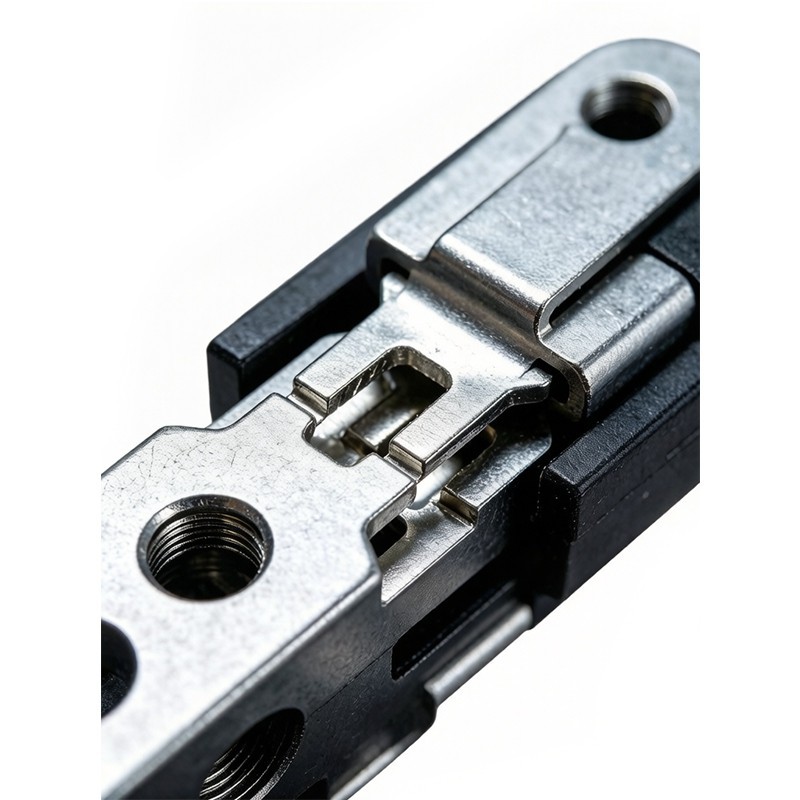
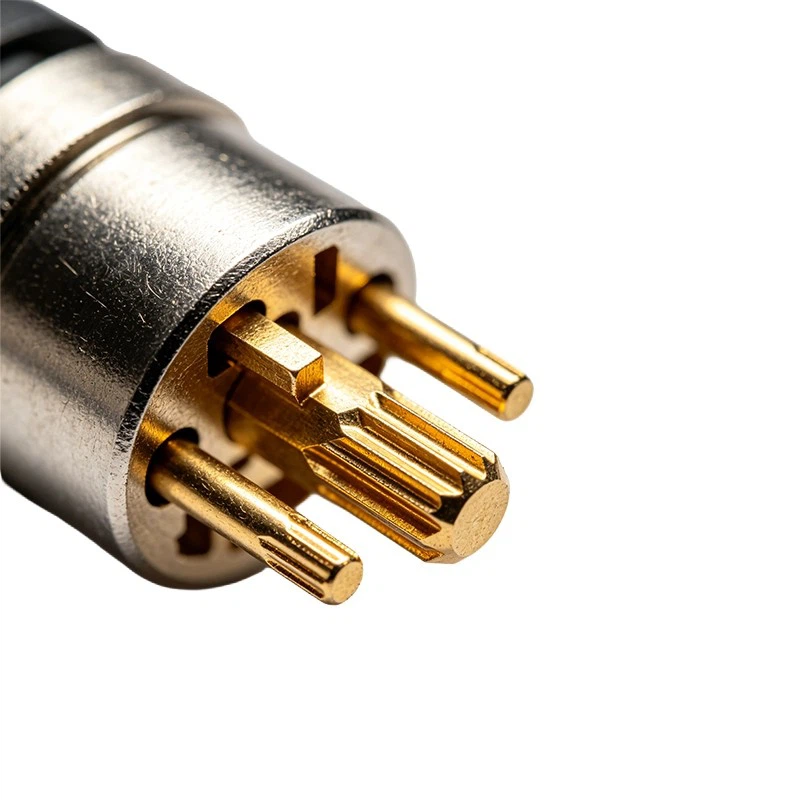
- Material Selection: Choosing the right materials for the crimp terminals is crucial. Materials with high strength, good fatigue resistance, and low thermal expansion coefficients can help withstand mechanical stress better. For example, copper alloys are commonly used in automotive crimp terminals due to their excellent electrical conductivity and mechanical properties.
- Design Optimization: The design of the crimp terminals can also play a significant role in reducing the impact of mechanical stress. For instance, terminals with a well - designed crimp profile can distribute the stress more evenly, reducing the likelihood of stress concentration and fatigue cracking. Additionally, incorporating features such as strain relief can help protect the crimp connection from excessive tensile and compressive forces.
- Proper Installation: Ensuring proper installation of the crimp terminals is essential. This includes using the correct crimping tools and following the recommended crimping procedures. A well - crimped connection is more likely to withstand mechanical stress and maintain its electrical and mechanical performance over time.
The Role of Related Components
In addition to the crimp terminals themselves, other related components can also influence the impact of mechanical stress. Crimp Connector Housing provides protection and support for the crimp terminals. A well - designed housing can help absorb some of the mechanical stress and prevent damage to the terminals. Similarly, Electrical Pins for Connector play a crucial role in the electrical connection. High - quality pins can ensure a stable and reliable connection, even under mechanical stress.
Conclusion
Mechanical stress has a significant influence on the performance and reliability of automotive crimp terminals. It can affect the electrical performance, mechanical integrity, and corrosion resistance of the terminals. As a supplier of Automotive Crimp Terminals, we are committed to providing high - quality products that can withstand the challenges posed by mechanical stress. By understanding the impact of mechanical stress and implementing appropriate mitigation strategies, automotive manufacturers and suppliers can ensure the long - term reliability of their electrical systems.
If you're in the market for high - quality automotive crimp terminals or have any questions about how mechanical stress may affect your applications, we'd love to have a discussion with you. Contact us to start a procurement negotiation and find the best solutions for your automotive electrical needs.
References
- Smith, J. (2018). Automotive Electrical Systems: Design and Analysis. Publisher X.
- Johnson, A. (2019). Mechanical Stress in Electrical Connectors. Journal of Electrical Engineering, 25(3), 123 - 135.
- Brown, C. (2020). Mitigating the Effects of Mechanical Stress on Automotive Components. Automotive Technology Review, 15(2), 45 - 52.