

In the realm of industrial applications, heavy duty Ethernet connectors play a pivotal role in ensuring seamless data transmission. These connectors are designed to withstand harsh environments, including extreme temperatures, high levels of vibration, and exposure to dust and moisture. However, maintaining good signal integrity in heavy duty Ethernet connectors can be a challenging task. As a heavy duty Ethernet connector supplier, I have witnessed firsthand the importance of signal integrity and the impact it has on the performance of industrial systems. In this blog post, I will share some key strategies and best practices to ensure good signal integrity in heavy duty Ethernet connectors.
Understanding Signal Integrity
Before delving into the strategies for ensuring good signal integrity, it is essential to understand what signal integrity means. Signal integrity refers to the ability of a signal to travel through a transmission medium, such as a cable or a connector, without significant degradation. In the context of heavy duty Ethernet connectors, signal integrity is crucial for maintaining reliable data transmission, especially in industrial environments where the presence of electromagnetic interference (EMI) and radio frequency interference (RFI) can disrupt the signal.
Selecting the Right Connector
The first step in ensuring good signal integrity is selecting the right heavy duty Ethernet connector for your application. There are several factors to consider when choosing a connector, including the type of Ethernet standard (e.g., 10BASE-T, 100BASE-TX, 1000BASE-T), the environmental conditions, and the required data transfer rate.
- Ethernet Standard Compatibility: Ensure that the connector is compatible with the Ethernet standard used in your system. Different Ethernet standards have different requirements for signal transmission, and using an incompatible connector can lead to signal degradation.
- Environmental Resistance: Heavy duty connectors are designed to operate in harsh environments. Look for connectors that are rated for the specific environmental conditions of your application, such as IP67 or IP68 ratings for dust and water resistance.
- Data Transfer Rate: Consider the required data transfer rate of your system. Higher data transfer rates require connectors with better signal integrity to ensure reliable transmission.
For more information on heavy duty electrical wire connectors, you can visit Heavy Duty Electrical Wire Connectors.
Proper Installation and Termination
Proper installation and termination of heavy duty Ethernet connectors are critical for maintaining signal integrity. Incorrect installation can lead to issues such as impedance mismatches, signal reflections, and increased EMI/RFI.
- Cable Preparation: Ensure that the Ethernet cable is properly prepared before termination. This includes stripping the outer jacket, separating the individual wires, and trimming them to the correct length.
- Termination Techniques: Use the appropriate termination techniques recommended by the connector manufacturer. This may involve crimping, soldering, or using insulation displacement connectors (IDCs).
- Grounding: Proper grounding is essential for reducing EMI/RFI and ensuring signal integrity. Make sure that the connector is properly grounded to the equipment chassis or a dedicated grounding point.
Shielding and EMI/RFI Protection
Shielding is an important aspect of ensuring good signal integrity in heavy duty Ethernet connectors. Shielded connectors help to reduce the impact of EMI/RFI on the signal, especially in industrial environments where there are many sources of interference.
- Shielded Cables: Use shielded Ethernet cables in conjunction with shielded connectors. The shield provides a barrier against external electromagnetic fields, preventing them from interfering with the signal.
- Connector Shielding: Choose connectors with effective shielding designs. The shielding should be continuous from the cable to the connector body, providing a complete enclosure for the signal conductors.
- EMI/RFI Filters: Consider using EMI/RFI filters in your system to further reduce the impact of interference. These filters can be installed at the connector or along the cable to block unwanted frequencies.
Cable Management
Proper cable management is also crucial for maintaining signal integrity in heavy duty Ethernet connectors. Poor cable management can lead to issues such as cable bending, twisting, and excessive tension, which can all affect the signal quality.
- Cable Routing: Plan the cable routing carefully to avoid sharp bends, kinks, and excessive tension. Use cable trays, conduits, or cable ties to keep the cables organized and protected.
- Separation of Power and Data Cables: Keep power cables and data cables separate to reduce the risk of electromagnetic interference. If possible, use dedicated cable pathways for power and data.
- Avoiding Cross-Talk: Ensure that the Ethernet cables are properly spaced to avoid cross-talk between adjacent cables. Cross-talk can occur when the signals from one cable interfere with the signals from another cable.
Testing and Validation
Once the heavy duty Ethernet connectors are installed, it is important to test and validate the signal integrity. This can be done using specialized testing equipment, such as network analyzers and cable testers.
- Continuity Testing: Perform continuity testing to ensure that all the conductors in the connector are properly connected and there are no breaks in the circuit.
- Impedance Testing: Measure the impedance of the cable and the connector to ensure that it is within the acceptable range. Impedance mismatches can cause signal reflections and degradation.
- Signal Quality Testing: Use a network analyzer to test the signal quality, including parameters such as signal strength, bit error rate, and jitter.
Maintenance and Monitoring
Maintaining good signal integrity in heavy duty Ethernet connectors is an ongoing process. Regular maintenance and monitoring are essential to ensure that the connectors continue to perform optimally over time.
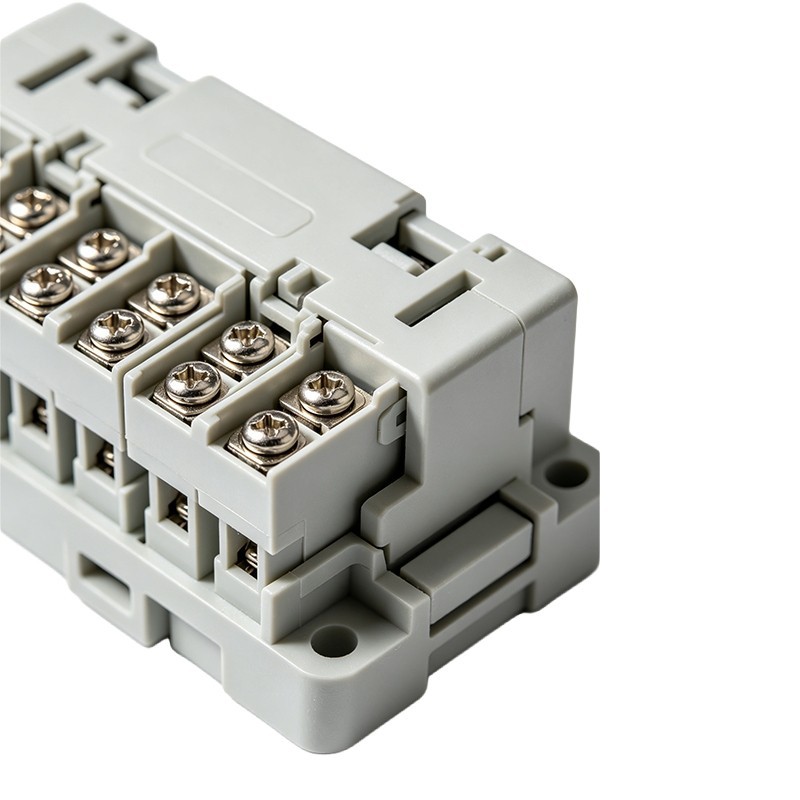
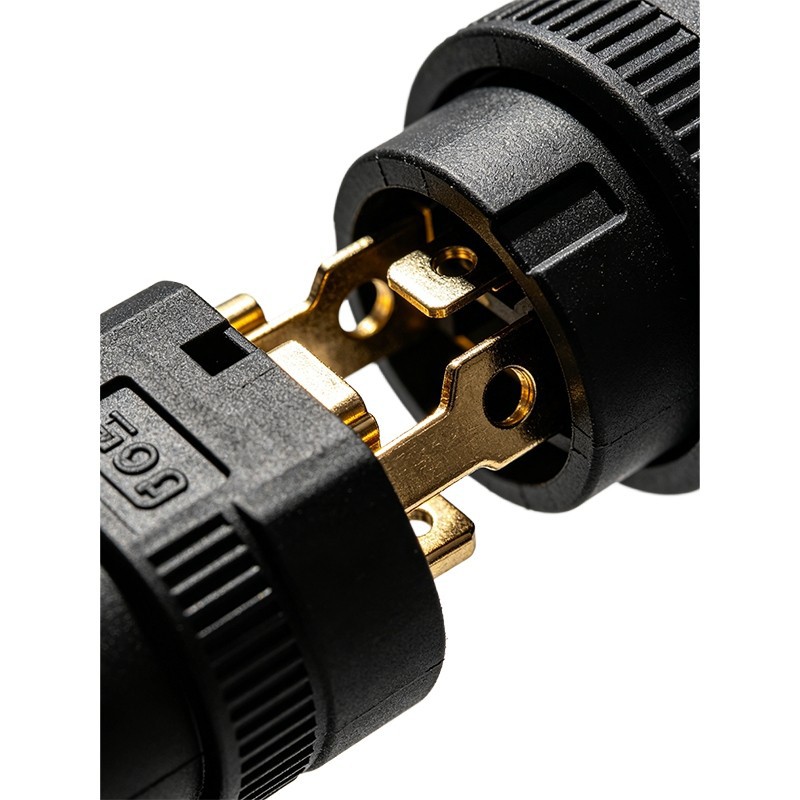
- Inspection: Periodically inspect the connectors for signs of damage, such as corrosion, loose connections, or physical wear. Replace any damaged connectors immediately.
- Cleaning: Keep the connectors clean to prevent the accumulation of dust, dirt, and moisture, which can affect the signal integrity. Use a clean, dry cloth or a specialized cleaning solution to clean the connectors.
- Monitoring: Implement a monitoring system to track the performance of the heavy duty Ethernet connectors. This can help to detect any issues early and take corrective action before they cause significant problems.
Conclusion
Ensuring good signal integrity in heavy duty Ethernet connectors is essential for maintaining reliable data transmission in industrial applications. By selecting the right connector, installing and terminating it properly, providing effective shielding and EMI/RFI protection, managing the cables, testing and validating the signal, and performing regular maintenance and monitoring, you can minimize the risk of signal degradation and ensure the optimal performance of your industrial systems.
If you are interested in purchasing heavy duty Ethernet connectors or have any questions about signal integrity, please feel free to contact us for a detailed discussion. Our team of experts is ready to assist you in finding the right solutions for your specific needs.