

EMI (Electromagnetic Interference) shielding covers play a crucial role in protecting electronic devices from the harmful effects of electromagnetic radiation. As an EMI shielding cover supplier, I often encounter questions from customers about the differences between metallic and non - metallic EMI shielding covers. In this blog, I will delve into the characteristics, advantages, and disadvantages of both types to help you make an informed decision when choosing the right EMI shielding solution for your electronic products.
1. Basic Concepts of EMI Shielding
Before we explore the differences between metallic and non - metallic EMI shielding covers, it's essential to understand the concept of EMI shielding. EMI is the disturbance that affects an electrical circuit due to either electromagnetic induction or electromagnetic radiation emitted from an external source. EMI shielding is the practice of reducing the electromagnetic field in a space by blocking the field with barriers made of conductive or magnetic materials.
2. Metallic EMI Shielding Covers
2.1 Composition and Structure
Metallic EMI shielding covers are typically made from metals such as copper, aluminum, steel, or alloys. These metals have high electrical conductivity, which allows them to effectively conduct and redirect electromagnetic waves. The structure of metallic shielding covers can vary, from simple stamped sheets to complex, precision - formed enclosures.
2.2 Advantages
- High Shielding Effectiveness: Metals have excellent electrical conductivity, which enables them to provide high - level EMI shielding. They can block a wide range of electromagnetic frequencies, from low - frequency radio waves to high - frequency microwave radiation. For example, copper has a high electrical conductivity of about 5.96×10⁷ S/m, making it an ideal material for EMI shielding applications.
- Mechanical Strength: Metallic shielding covers are generally strong and durable. They can withstand physical impacts, vibrations, and environmental stresses, ensuring long - term protection for the enclosed electronic components. This makes them suitable for use in harsh industrial environments or in products that are subject to rough handling.
- Thermal Conductivity: Many metals have good thermal conductivity, which helps in dissipating heat generated by electronic components. This is particularly important in high - power applications where overheating can lead to reduced performance or even component failure.
2.3 Disadvantages
- Weight: Metals are relatively heavy compared to non - metallic materials. This can be a significant drawback in applications where weight is a critical factor, such as in portable electronic devices like smartphones and tablets.
- Corrosion: Some metals are prone to corrosion, especially in humid or corrosive environments. This can degrade the shielding performance over time and may require additional protective coatings or treatments.
- Cost: The cost of metallic materials and the manufacturing processes involved in producing metallic shielding covers can be relatively high. This can increase the overall cost of the electronic product.
3. Non - Metallic EMI Shielding Covers
3.1 Composition and Structure
Non - metallic EMI shielding covers are usually made from materials such as conductive polymers, carbon - filled plastics, or composite materials. These materials are engineered to have electrical conductivity by incorporating conductive fillers or additives.
3.2 Advantages
- Lightweight: Non - metallic materials are generally much lighter than metals, which is a significant advantage in applications where weight reduction is crucial. For example, in aerospace and automotive industries, the use of lightweight EMI shielding covers can help improve fuel efficiency and reduce overall vehicle weight.
- Design Flexibility: Non - metallic materials can be easily molded into complex shapes, allowing for more innovative and customized designs. This is particularly useful in modern electronic devices with compact and irregularly shaped components.
- Corrosion Resistance: Non - metallic materials are often more resistant to corrosion than metals, which makes them suitable for use in harsh environments without the need for additional protective coatings.
3.3 Disadvantages
- Lower Shielding Effectiveness: Compared to metallic shielding covers, non - metallic shielding covers generally have lower shielding effectiveness, especially at higher frequencies. This is because the electrical conductivity of non - metallic materials is typically lower than that of metals.
- Mechanical Strength: Non - metallic materials may have lower mechanical strength compared to metals. They may be more prone to damage from physical impacts or vibrations, which can affect the long - term performance of the shielding cover.
- Thermal Conductivity: Non - metallic materials usually have lower thermal conductivity than metals, which can be a problem in applications where heat dissipation is important.
4. Application Considerations
4.1 Electronic Devices
In consumer electronics such as smartphones, tablets, and laptops, the choice between metallic and non - metallic EMI shielding covers depends on several factors. For example, in smartphones, weight and design flexibility are often critical. Non - metallic shielding covers may be preferred due to their lightweight and ability to be molded into thin, complex shapes. However, in high - performance laptops or servers, metallic shielding covers may be more suitable because of their high shielding effectiveness and thermal conductivity.
4.2 Industrial Equipment
In industrial applications, such as manufacturing equipment, control systems, and power supplies, metallic EMI shielding covers are often the preferred choice. These applications require high - level EMI shielding, mechanical strength, and thermal management. The harsh industrial environment also demands materials that can withstand corrosion and physical stresses.
4.3 Automotive and Aerospace
In the automotive and aerospace industries, both metallic and non - metallic EMI shielding covers are used. Non - metallic materials are favored for their lightweight properties, which can help improve fuel efficiency and reduce emissions. However, metallic shielding covers are still used in critical applications where high - level EMI shielding is required, such as in engine control units and avionics systems.
5. Related Products and Links
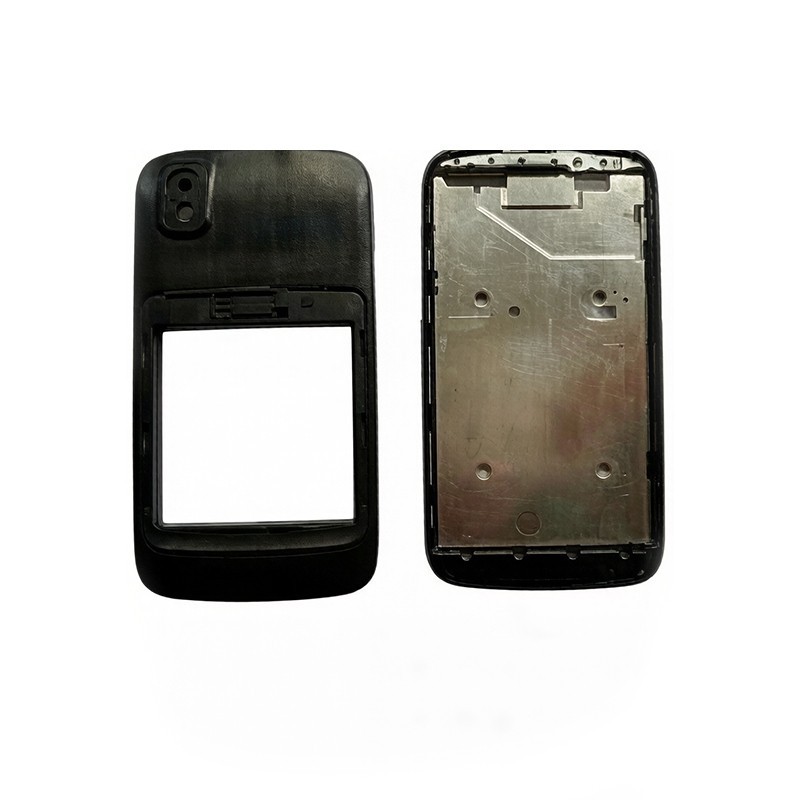
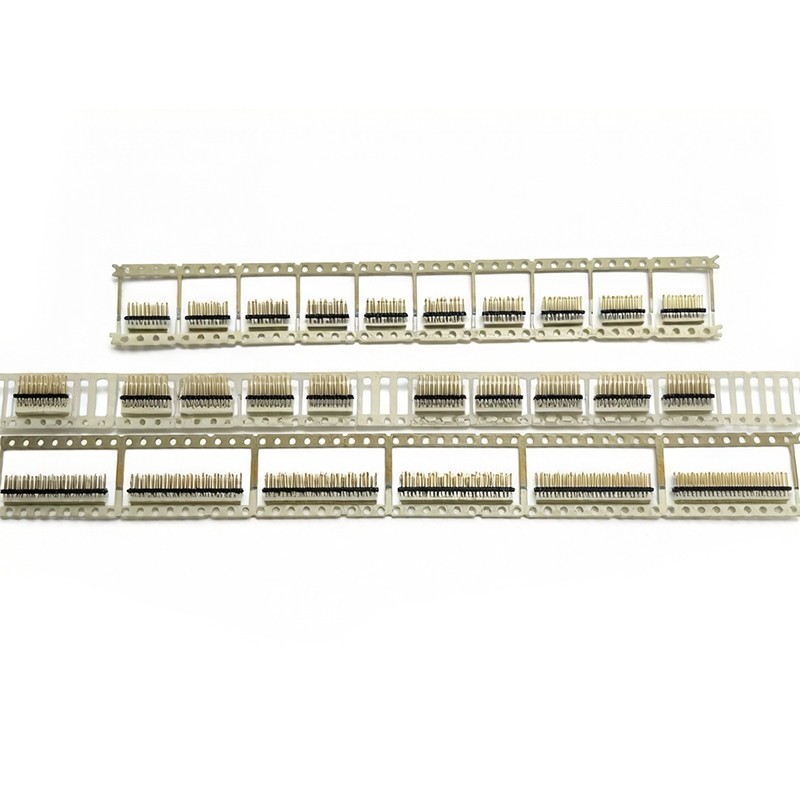
When considering EMI shielding covers for your electronic products, you may also need other related components. For example, Mobile Phone Connectors are essential for connecting various parts of a mobile phone, and proper EMI shielding is crucial to ensure reliable signal transmission. Motherboard Mounting Bracket and Motherboard Retention Bracket are used to secure the motherboard in place, and they can also contribute to the overall EMI shielding of the system.
6. Conclusion
In conclusion, both metallic and non - metallic EMI shielding covers have their own unique advantages and disadvantages. The choice between the two depends on the specific requirements of your electronic product, such as shielding effectiveness, weight, mechanical strength, thermal conductivity, and cost. As an EMI shielding cover supplier, I can provide you with professional advice and high - quality products to meet your needs. If you are interested in purchasing EMI shielding covers or need more information, please feel free to contact me for a detailed discussion and procurement negotiation.
References
- "Electromagnetic Compatibility Engineering" by Henry W. Ott.
- "Handbook of Electromagnetic Compatibility" by Clayton R. Paul.
- "Conductive Polymers for EMI Shielding" in Journal of Applied Polymer Science.