

As a supplier of Automotive Connector Housing, I often encounter questions from customers about the fire - resistance properties of our products. In this blog, I will delve into the fire - resistance characteristics of automotive connector housing, explaining why it is crucial and how we ensure high - quality fire - resistant performance.
The Importance of Fire - Resistance in Automotive Connector Housing
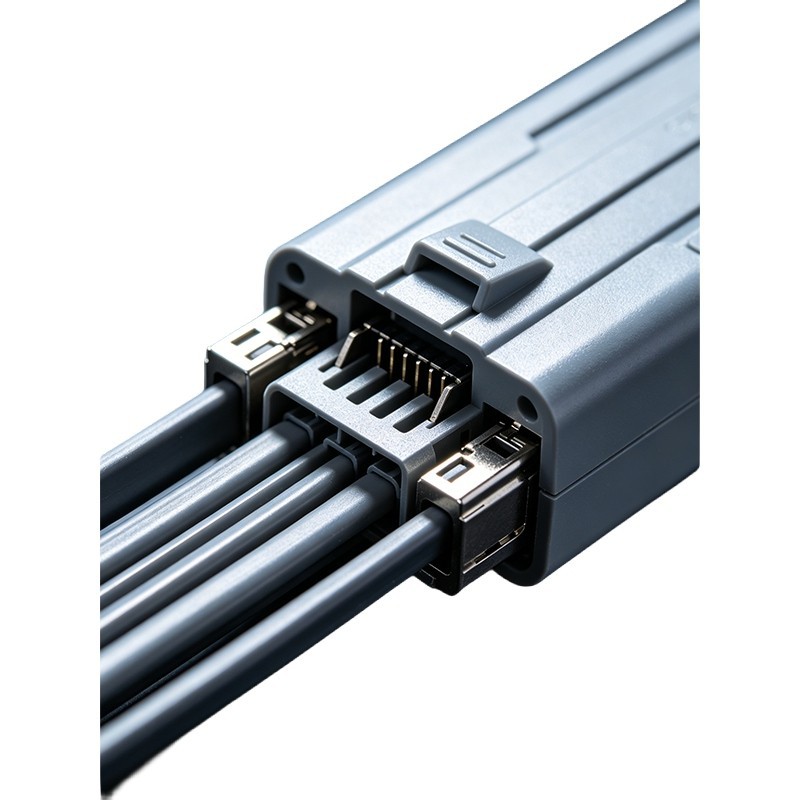
Automotive connector housings play a vital role in the electrical systems of vehicles. They protect the connectors from environmental factors, ensure proper electrical connections, and prevent short - circuits. However, in the automotive environment, there are many potential sources of heat and fire, such as engine heat, electrical malfunctions, and external ignition sources. If the connector housing lacks sufficient fire - resistance, it can pose a serious safety risk.
A fire in a vehicle can lead to not only property damage but also endanger the lives of passengers. Therefore, automotive connector housings need to have excellent fire - resistance properties to prevent the spread of fire and protect the integrity of the electrical system.
Fire - Resistance Standards and Regulations
The automotive industry has strict standards and regulations regarding the fire - resistance of connector housings. For example, UL 94 is a widely recognized standard for flammability of plastic materials. It classifies materials into different ratings based on their flammability characteristics, such as V - 0, V - 1, and V - 2. A V - 0 rating indicates the highest level of fire - resistance, where the material stops burning within 10 seconds after the ignition source is removed and does not drip flaming particles.
In addition to UL 94, there are also other industry - specific standards that automotive connector housing must meet. These standards ensure that the products can withstand the harsh conditions in vehicles and provide reliable fire - protection.
Materials Used for Fire - Resistant Automotive Connector Housing
To achieve good fire - resistance, we use specific materials in the manufacturing of automotive connector housing. One of the commonly used materials is polyamide (PA), also known as nylon. Polyamide has good mechanical properties, chemical resistance, and can be formulated to have high fire - resistance.
Another material is polybutylene terephthalate (PBT). PBT is a thermoplastic polyester that offers excellent dimensional stability, electrical insulation, and fire - retardant properties. It can be modified with additives to enhance its fire - resistance performance.
We also use flame - retardant additives in the materials. These additives work by suppressing the combustion process. For example, halogen - based flame retardants can release halogen radicals during combustion, which react with the free radicals in the flame and interrupt the combustion chain reaction. However, due to environmental concerns, there is a growing trend towards using halogen - free flame retardants, such as phosphorus - based and nitrogen - based additives.
Testing and Quality Control
At our company, we conduct rigorous testing to ensure that our automotive connector housings meet the required fire - resistance standards. We use a variety of testing methods, including the UL 94 vertical burn test. In this test, a specimen of the connector housing is held vertically and ignited with a flame for a specified period. The time it takes for the specimen to stop burning and the presence of dripping are recorded.
We also perform other tests, such as the glow wire test. In the glow wire test, a heated glow wire is applied to the surface of the connector housing to simulate a potential ignition source. The material's ability to resist ignition and prevent the spread of fire is evaluated.
Quality control is an ongoing process in our manufacturing. We have a dedicated quality control team that monitors every step of the production process, from raw material inspection to the final product testing. This ensures that each automotive connector housing we produce meets the high - quality fire - resistance standards.
Applications and Benefits of Fire - Resistant Automotive Connector Housing
Fire - resistant automotive connector housings are used in various applications in vehicles. They are essential in the engine compartment, where high temperatures and potential ignition sources are present. They are also used in the electrical systems of the vehicle, such as the wiring harnesses, to prevent short - circuits and fire propagation.
The benefits of using fire - resistant automotive connector housings are significant. Firstly, they enhance the safety of the vehicle. By preventing the spread of fire, they protect the passengers and the vehicle itself. Secondly, they improve the reliability of the electrical system. A fire - resistant housing can withstand high temperatures and prevent damage to the connectors, ensuring stable electrical connections.
Our Product Offerings
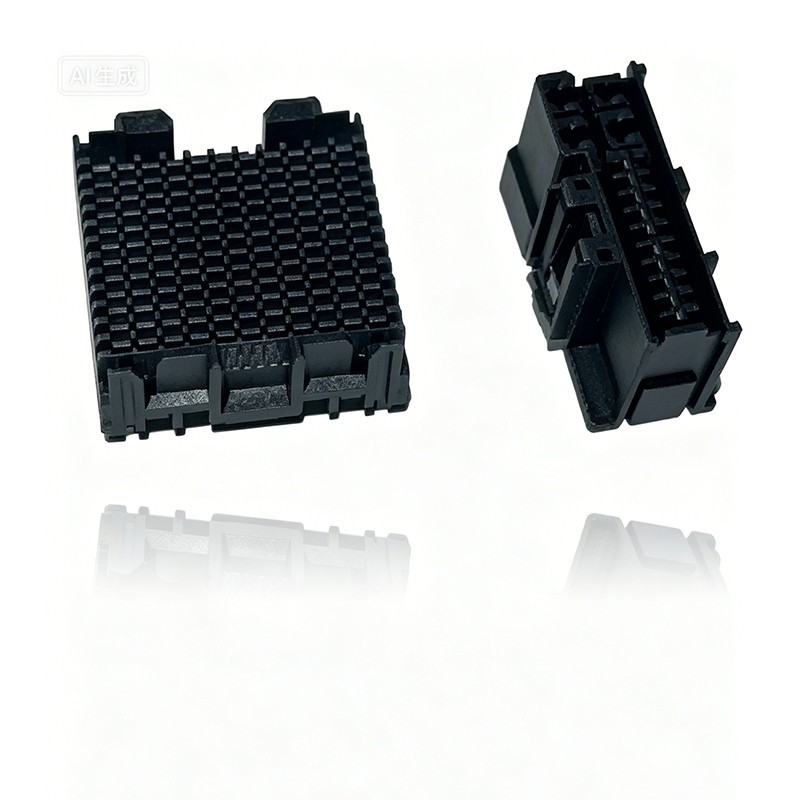
As a supplier, we offer a wide range of Automotive Connector Housing. Our products are designed to meet the diverse needs of the automotive industry. We have different sizes, shapes, and configurations of connector housings to fit various applications.
In addition to automotive connector housings, we also provide Wire Connector Housing and Crimp Connector Housing. These products also have excellent fire - resistance properties and are suitable for different electrical connection requirements.
Contact Us for Procurement
If you are interested in our automotive connector housing products or have any questions about their fire - resistance properties, we encourage you to contact us for procurement discussions. Our team of experts is ready to provide you with detailed information and support. We are committed to providing high - quality products that meet your specific needs and ensure the safety and reliability of your automotive applications.
References
- UL 94 Standard for Tests for Flammability of Plastic Materials for Parts in Devices and Appliances
- Automotive Industry Fire - Resistance Standards and Regulations
- Technical Literature on Polyamide and Polybutylene Terephthalate for Automotive Applications