

As an automotive connector housing supplier, I've seen firsthand how crucial it is to understand industry standards. These standards aren't just a bunch of rules; they're the backbone of a reliable and efficient automotive electrical system. In this blog, I'll break down the key industry standards for automotive connector housing and why they matter.
Why Industry Standards Are a Big Deal
First off, let's talk about why industry standards exist in the first place. In the automotive world, safety and performance are non - negotiable. A faulty connector can lead to all sorts of problems, from minor electrical glitches to major safety hazards. Industry standards ensure that all automotive connector housings meet a certain level of quality, reliability, and compatibility.
When it comes to safety, standards help prevent short circuits, electrical fires, and other dangerous situations. For performance, they make sure that connectors can handle the electrical current and signals required by modern vehicles. And compatibility is key because different parts of a vehicle need to work together seamlessly. If a connector housing doesn't fit properly or isn't compatible with other components, it can cause all kinds of headaches.
Key Industry Standards for Automotive Connector Housing
1. Electrical Standards
One of the most important aspects of automotive connector housing is its electrical performance. The standards here cover things like current - carrying capacity, voltage rating, and insulation resistance.
The current - carrying capacity determines how much electrical current a connector can safely handle. If a connector is rated for a lower current than what's being passed through it, it can overheat, leading to damage or even a fire. Voltage rating is also crucial. Modern vehicles use a variety of electrical systems, from low - voltage systems for sensors to high - voltage systems for electric powertrains. A connector housing must be able to withstand the voltage of the system it's used in.
Insulation resistance is another critical factor. It measures how well the housing insulates the electrical conductors from each other and from the surrounding environment. High insulation resistance helps prevent electrical leakage, which can cause interference and reduce the efficiency of the electrical system.
2. Mechanical Standards
Mechanical standards are all about the physical properties of the connector housing. This includes things like size, shape, and durability.
The size and shape of a connector housing are designed to ensure proper mating with other connectors and components. They need to fit together precisely to create a secure and reliable connection. For example, a connector housing might have specific dimensions and keying features to prevent incorrect mating, which could lead to electrical problems.
Durability is also a major concern. Automotive connector housings are exposed to a harsh environment, including vibrations, temperature changes, and moisture. They need to be able to withstand these conditions without cracking, breaking, or losing their electrical properties. Standards often specify things like the material's strength, flexibility, and resistance to chemicals and UV radiation.
3. Environmental Standards
The automotive environment is tough on connector housings. They need to be able to handle extreme temperatures, humidity, and exposure to chemicals.
Temperature is a big factor. In some parts of the world, vehicles can experience extremely cold temperatures, while in others, they can be exposed to scorching heat. Connector housings need to maintain their performance across this wide temperature range. For example, they shouldn't become brittle in cold weather or soften and deform in hot weather.
Humidity and moisture can also cause problems. Water can corrode the electrical conductors inside the connector housing, leading to poor electrical performance. Standards often require connector housings to be waterproof or at least resistant to moisture. This might involve using gaskets or seals to prevent water from entering the housing.
Exposure to chemicals is another concern. Vehicles are exposed to a variety of chemicals, such as gasoline, oil, and cleaning agents. Connector housings need to be resistant to these chemicals to prevent damage and ensure long - term reliability.
How Our Products Meet These Standards
As a supplier of Automotive Connector Housing, we take these industry standards very seriously. We use high - quality materials that are specifically chosen for their electrical, mechanical, and environmental properties.
For electrical performance, we carefully select materials with the right current - carrying capacity and insulation resistance. Our manufacturing process is designed to ensure that each connector housing meets the strictest electrical standards.
In terms of mechanical properties, we use advanced molding techniques to create connector housings with precise dimensions and shapes. We also test our products for durability, subjecting them to rigorous vibration and impact tests to make sure they can withstand the harsh automotive environment.
When it comes to environmental standards, our products are designed to be resistant to extreme temperatures, humidity, and chemicals. We use special coatings and seals to protect the connectors from moisture and chemical damage.
The Importance of Choosing a Reliable Supplier
Not all automotive connector housing suppliers are created equal. Choosing a reliable supplier is crucial to ensure that you're getting products that meet the industry standards.
A good supplier will have a proven track record of quality and reliability. They'll use high - quality materials and advanced manufacturing processes to produce connector housings that meet or exceed the industry standards. They'll also have a strong commitment to customer service, providing technical support and assistance when needed.
At our company, we're dedicated to providing our customers with the highest quality Automotive Connector Housing. We understand the importance of industry standards and work hard to ensure that our products meet all the relevant requirements.
Other Related Products
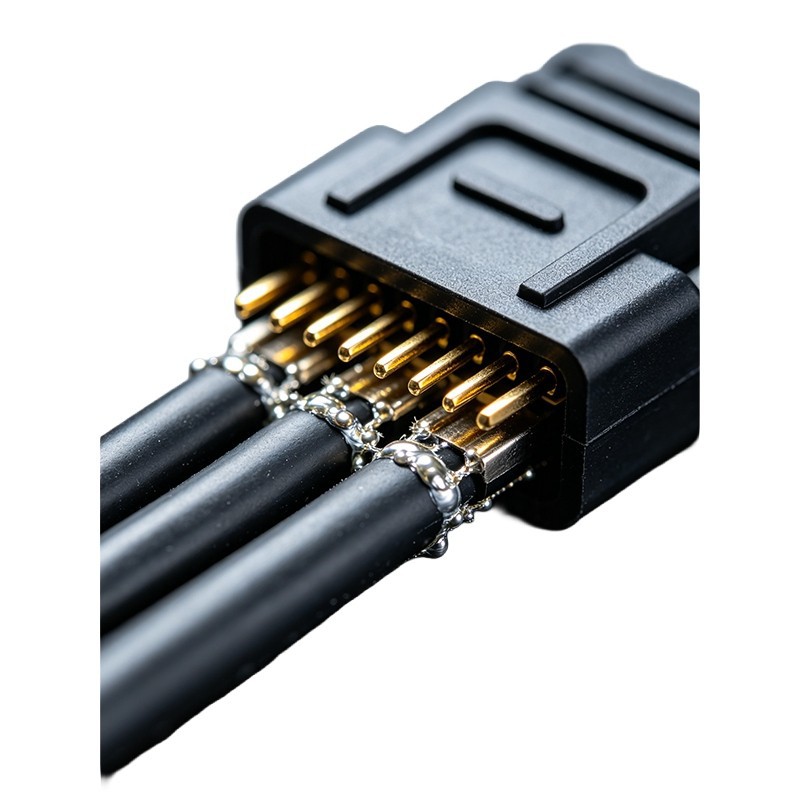
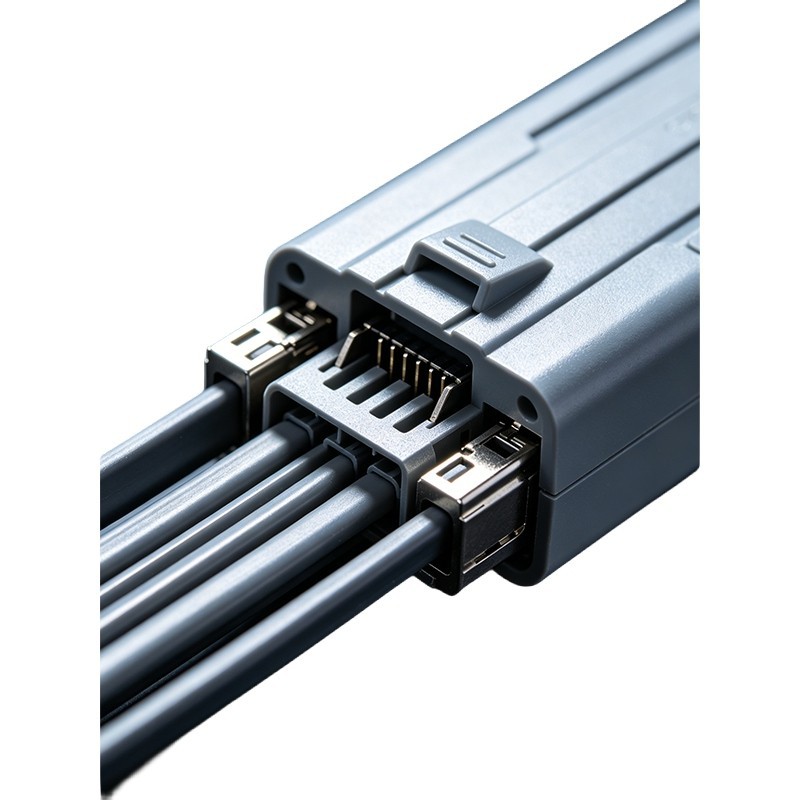
In addition to Automotive Connector Housing, we also offer Headers and Wire Housings and Wire Connector Housing. These products are also designed to meet the industry standards and are an important part of the automotive electrical system.
Headers and wire housings are used to connect wires to other components in the vehicle. They provide a secure and reliable connection, ensuring that the electrical signals are transmitted properly. Wire connector housings, on the other hand, are used to protect the wire connections and prevent damage from the environment.
Let's Talk Business
If you're in the market for automotive connector housing or related products, I'd love to have a chat with you. Whether you're an automotive manufacturer, a parts supplier, or a repair shop, we can provide you with the high - quality products you need.
We understand that every customer has unique requirements, and we're committed to working with you to find the best solutions. Our team of experts can provide you with technical advice and support to help you choose the right products for your application.
So, if you're interested in learning more about our products or discussing your specific needs, don't hesitate to reach out. We're here to help you get the most out of your automotive electrical system.
References
- SAE International standards related to automotive electrical connectors
- ISO standards for automotive components
- Industry whitepapers on automotive connector technology