

Hey there! As a supplier of industrial USB connectors, I often get asked about the grounding requirements for these connectors. In this blog post, I'll break down everything you need to know about grounding industrial USB connectors, why it's important, and how it impacts your operations.
Why Grounding Matters for Industrial USB Connectors
First off, let's talk about why grounding is such a big deal. In industrial settings, electrical interference and static electricity can cause all sorts of problems. Without proper grounding, these issues can lead to data corruption, equipment malfunctions, and even safety hazards.
Grounding provides a path for electrical current to flow safely into the ground. This helps to protect your equipment from electrical surges and reduces the risk of electrostatic discharge (ESD). When it comes to industrial USB connectors, grounding ensures reliable data transmission and prevents damage to the connected devices.
Grounding Requirements for Industrial USB Connectors
1. Electrical Continuity
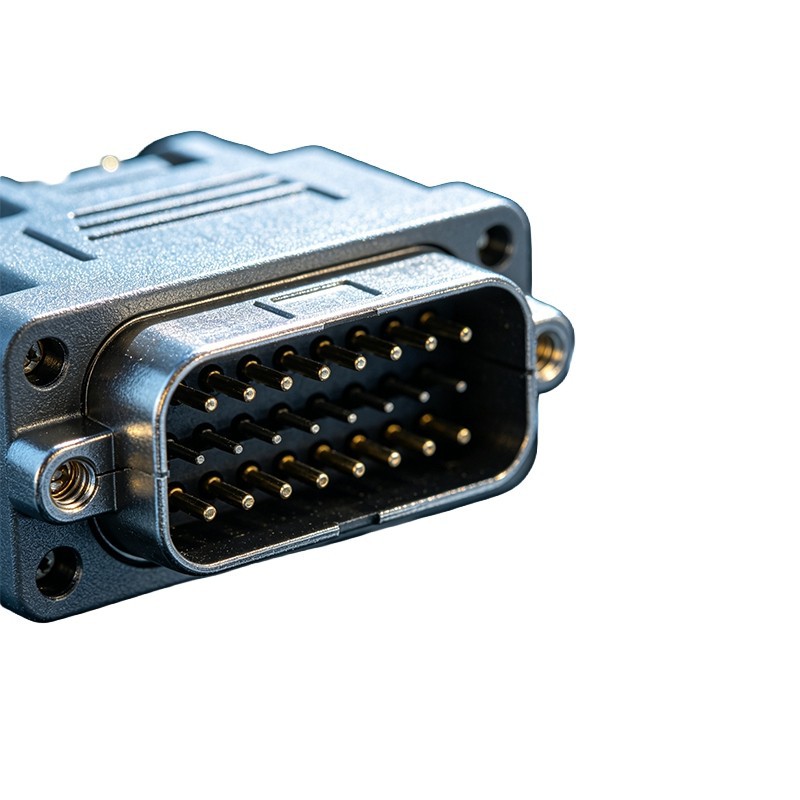
One of the key grounding requirements is electrical continuity. The connector must have a continuous electrical path from the device to the ground. This means that all the metal parts of the connector, including the shell and pins, should be properly connected to the grounding system.
To achieve electrical continuity, the connector should be made of conductive materials and have a low resistance path to the ground. This helps to ensure that any electrical charges are quickly dissipated, reducing the risk of electrical interference.
2. Grounding Resistance
Another important factor is grounding resistance. The resistance between the connector and the ground should be as low as possible. A high resistance can impede the flow of electrical current and reduce the effectiveness of the grounding system.
Typically, the grounding resistance for industrial USB connectors should be less than 1 ohm. This low resistance ensures that electrical charges can flow freely to the ground, providing effective protection against electrical surges and ESD.
3. Shielding
Shielding is also an important aspect of grounding for industrial USB connectors. The connector should be shielded to protect against electromagnetic interference (EMI) and radio frequency interference (RFI).
The shield is usually made of a conductive material, such as copper or aluminum, and is connected to the grounding system. This helps to block out external electrical signals and prevent them from interfering with the data transmission.
4. Proper Installation
Proper installation is crucial for ensuring effective grounding. The connector should be installed in accordance with the manufacturer's instructions and industry standards. This includes using the correct tools and techniques to ensure a secure and reliable connection.
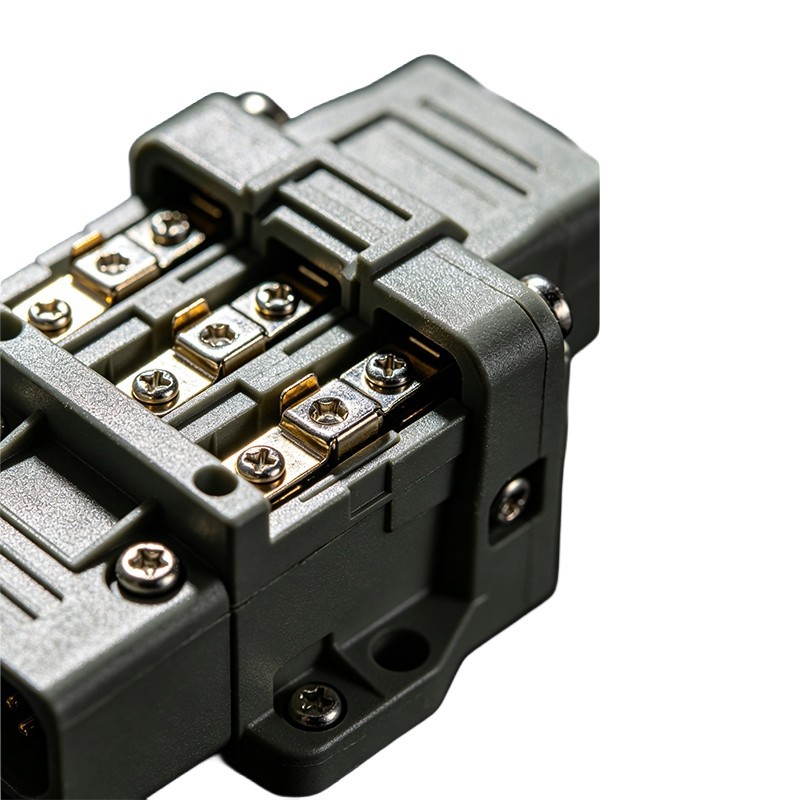
During installation, it's important to make sure that the grounding wire is properly connected to the connector and the grounding system. Any loose or damaged connections can increase the grounding resistance and reduce the effectiveness of the grounding system.
Impact of Grounding on Industrial Operations
1. Data Integrity
Proper grounding helps to ensure the integrity of the data transmitted through the industrial USB connectors. By reducing electrical interference and ESD, grounding minimizes the risk of data corruption and errors. This is especially important in applications where accurate data transmission is critical, such as in industrial automation and control systems.
2. Equipment Reliability
Grounding also improves the reliability of the connected equipment. Electrical surges and ESD can cause damage to the electronic components of the devices, leading to malfunctions and downtime. By providing a safe path for electrical current to flow, grounding protects the equipment from these hazards and extends its lifespan.
3. Safety
Safety is another important consideration in industrial settings. Grounding helps to prevent electrical shocks and fires by ensuring that any electrical charges are safely dissipated. This is especially important in environments where there is a high risk of electrical hazards, such as in factories and power plants.
Related Products and Their Grounding Considerations
When it comes to industrial connectors, there are several related products that also require proper grounding. Here are a few examples:
- Heavy Power Connector: These connectors are used for high-power applications and require a robust grounding system to handle the large electrical currents. The grounding requirements for heavy power connectors are similar to those for industrial USB connectors, but they may need to be designed to handle higher voltage and current levels.
- Heavy Connector: Heavy connectors are used in a variety of industrial applications and are designed to withstand harsh environments. They also require proper grounding to ensure reliable performance and protection against electrical interference.
- Heavy Duty Electrical Wire Connectors: These connectors are used to connect electrical wires and require a secure grounding connection to prevent electrical hazards. The grounding requirements for heavy duty electrical wire connectors are similar to those for other industrial connectors, but they may need to be designed to handle different types of wires and cable sizes.
How Our Industrial USB Connectors Meet Grounding Requirements
As a supplier of industrial USB connectors, we understand the importance of grounding and ensure that our products meet all the necessary requirements. Our connectors are designed with high-quality conductive materials and have a low resistance path to the ground, ensuring excellent electrical continuity.
We also use advanced shielding techniques to protect against EMI and RFI, and our connectors are tested to ensure that they meet the strictest industry standards for grounding resistance. In addition, we provide detailed installation instructions to help our customers ensure proper grounding during installation.
Contact Us for Your Industrial USB Connector Needs
If you're in the market for industrial USB connectors or have any questions about grounding requirements, we'd love to hear from you. Our team of experts is available to provide you with the information and support you need to make the right choice for your application.
Whether you're looking for a standard connector or a custom solution, we have the products and expertise to meet your needs. Contact us today to start a conversation about your industrial USB connector requirements and let's work together to find the best solution for you.
References
- IEEE Standards for Electrical Safety in the Workplace
- National Electrical Code (NEC)
- International Electrotechnical Commission (IEC) Standards for Industrial Connectors