

Hey there! As a supplier of High Precision Mold, I've been deeply involved in the high precision mold manufacturing industry for quite a while. In recent years, automation has become the buzzword in this field. Achieving automation in high precision mold manufacturing can significantly boost efficiency, minimize errors, and enhance the overall quality of the molds. So, let's dive into how to achieve this automation.
Understanding the Basics of Automation in High Precision Mold Manufacturing
First off, we need to get a clear understanding of what automation means in our context. In high precision mold manufacturing, automation refers to the use of advanced technologies and systems to perform tasks with little to no human intervention. This includes everything from design and machining to quality control and assembly.
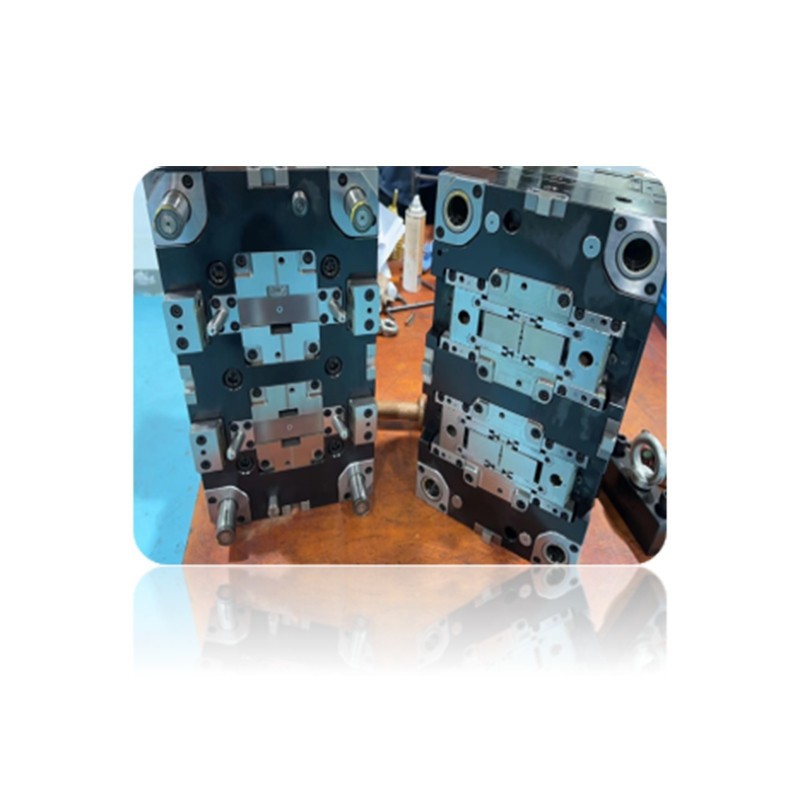
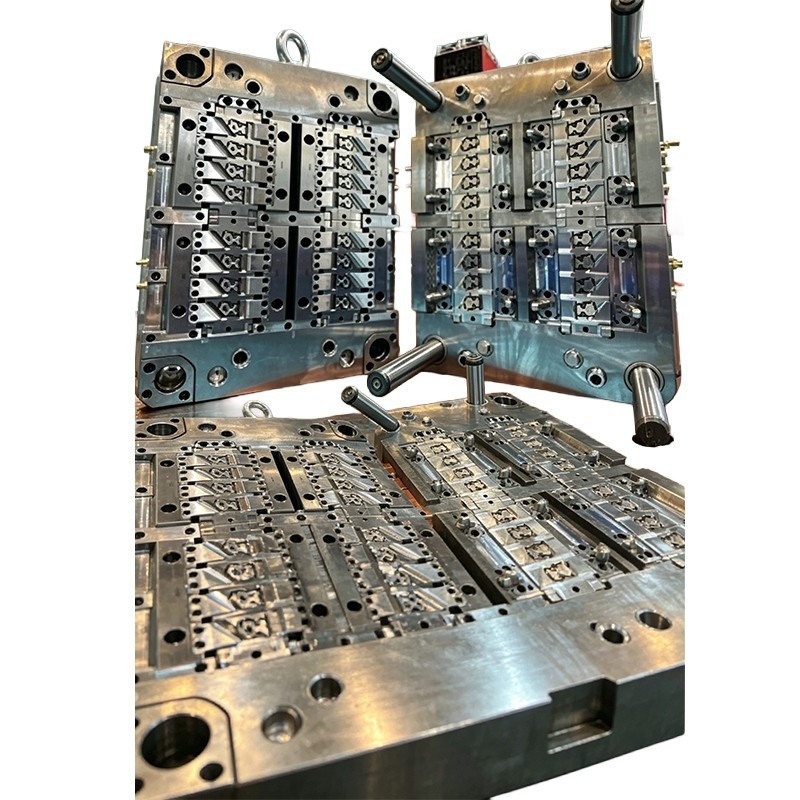
One of the key aspects of automation is the use of Computer-Aided Design (CAD) and Computer-Aided Manufacturing (CAM) systems. These technologies allow us to create detailed 3D models of the molds and then generate the necessary machining instructions. With CAD/CAM, we can simulate the manufacturing process, identify potential issues, and make adjustments before the actual production begins. This not only saves time but also reduces the risk of errors.
Implementing Automation in the Design Phase
The design phase is where it all starts. To achieve automation here, we rely heavily on CAD software. These programs offer a wide range of features that make the design process more efficient and accurate. For example, we can use parametric design tools to create molds that can be easily modified based on specific requirements. This means that if a customer requests a change in the mold dimensions, we can quickly make the necessary adjustments without having to start from scratch.
Another important aspect of design automation is the use of design libraries. These libraries contain pre-designed components and features that can be easily incorporated into new mold designs. This not only speeds up the design process but also ensures consistency across different projects.
Automating the Machining Process
Once the design is finalized, it's time to move on to the machining process. This is where automation really shines. We use Computer Numerical Control (CNC) machines to perform the actual machining operations. These machines are programmed using the instructions generated by the CAM system, ensuring precise and repeatable results.
CNC machines can perform a variety of operations, such as milling, turning, and drilling. They can also work with a wide range of materials, including metals, plastics, and composites. By automating the machining process, we can reduce the time required to manufacture the molds and improve the quality of the finished products.
In addition to CNC machines, we also use other advanced technologies, such as 5-axis machining and Electrical Discharge Machining (EDM). 5-axis machining allows us to create complex shapes and geometries that would be difficult or impossible to achieve with traditional machining methods. EDM, on the other hand, is used to create precise cavities and features in the molds by using electrical discharges to remove material.
Quality Control and Inspection Automation
Quality control is an essential part of high precision mold manufacturing. To ensure that the molds meet the required specifications, we use a variety of inspection techniques. Automation has also played a significant role in this area.
We use Coordinate Measuring Machines (CMMs) to measure the dimensions and geometries of the molds. These machines are programmed to take multiple measurements at different points on the mold surface, and the data is then analyzed to ensure that the mold meets the design specifications. By automating the inspection process, we can reduce the time required for quality control and improve the accuracy of the measurements.
In addition to CMMs, we also use other inspection technologies, such as optical inspection systems and ultrasonic testing. These technologies allow us to detect defects and flaws in the molds that may not be visible to the naked eye.
Automation in Assembly and Post-Processing
Once the machining and inspection are complete, it's time to assemble the mold and perform any necessary post-processing operations. Automation can also be applied in this stage.
We use robotic systems to perform the assembly process. These robots are programmed to pick and place the individual components of the mold with high precision, ensuring that the assembly is accurate and consistent. By automating the assembly process, we can reduce the time required for assembly and improve the quality of the finished products.
Post-processing operations, such as polishing and surface treatment, can also be automated. We use automated polishing machines to achieve a smooth and uniform surface finish on the molds. Surface treatment processes, such as coating and plating, can also be automated to improve the durability and performance of the molds.
Challenges and Solutions in Achieving Automation
While the benefits of automation in high precision mold manufacturing are clear, there are also some challenges that need to be overcome. One of the main challenges is the initial investment required to implement automation technologies. CNC machines, CAD/CAM software, and robotic systems can be quite expensive, and it may take some time to recover the investment.
Another challenge is the need for skilled workers to operate and maintain the automated systems. While automation reduces the need for manual labor, it also requires workers with a different set of skills, such as programming and troubleshooting. To address this challenge, we need to invest in training and education programs to ensure that our workers are equipped with the necessary skills.
Finally, there is the challenge of integrating different automation technologies into a seamless manufacturing process. This requires careful planning and coordination to ensure that all the systems work together effectively.
Conclusion and Call to Action
In conclusion, achieving automation in high precision mold manufacturing is a complex but rewarding process. By implementing automation technologies in the design, machining, quality control, assembly, and post-processing stages, we can significantly improve the efficiency, quality, and consistency of our mold manufacturing operations.
If you're in the market for High Precision Mold or High Precision Plastic Injection Mould, or Precision Injection Mould, we're here to help. We have the expertise and the technology to provide you with high-quality molds that meet your specific requirements. Contact us to start a discussion about your project and let's explore how we can work together to achieve your goals.
References
- Smith, J. (2020). Automation in Manufacturing: Trends and Technologies.
- Johnson, K. (2019). High Precision Mold Manufacturing: Best Practices.
- Brown, A. (2018). The Future of Automation in the Mold Industry.