

Ensuring the compatibility between crimp connector housings and other components is crucial in various industries, especially in automotive and electrical applications. As a supplier of crimp connector housings, I understand the significance of this issue and have extensive experience in dealing with it. In this blog, I will share some key points on how to ensure such compatibility.
Understanding the Basics of Crimp Connector Housings
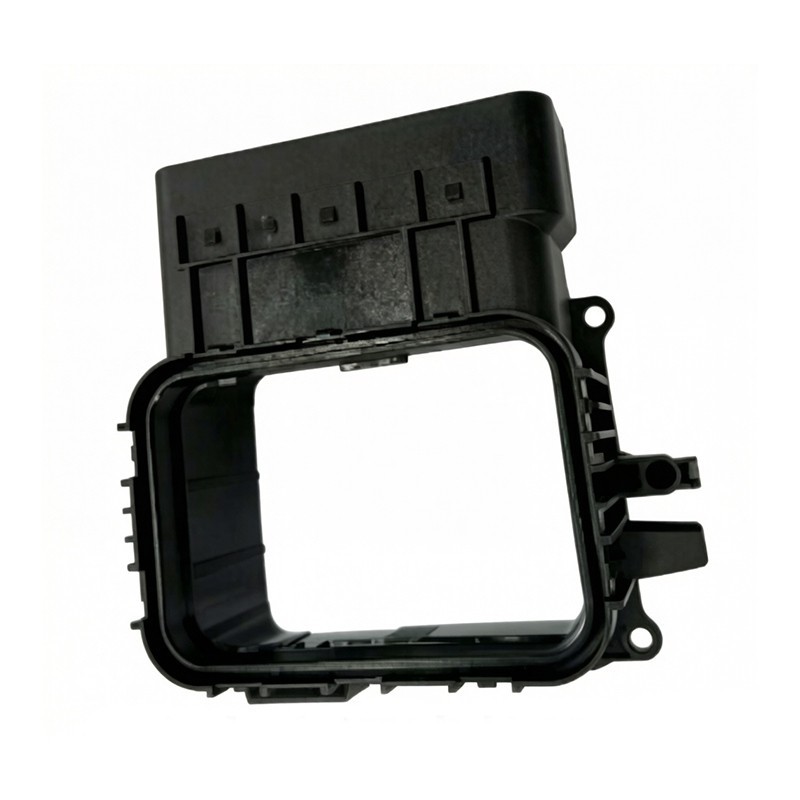
Crimp connector housings are an essential part of electrical connections. They provide a protective enclosure for the crimp terminals and electrical pins, ensuring the stability and safety of the connection. The design of the housing should be able to accommodate the terminals and pins properly, and also be compatible with the mating connectors.
Material Compatibility
The material of the crimp connector housing is a critical factor. It needs to be compatible with the environment in which it will be used. For example, in automotive applications, the housing may be exposed to high temperatures, vibrations, and chemicals. Therefore, materials such as high - strength plastics or metals are often used. These materials should not react with the terminals or pins inside. For instance, if the terminals are made of copper, the housing material should not cause corrosion of the copper.
Physical Dimensions
The physical dimensions of the crimp connector housing must match those of the other components. The size of the cavities in the housing should be precisely designed to fit the crimp terminals. If the cavities are too large, the terminals may not be held securely, leading to loose connections and potential electrical failures. On the other hand, if the cavities are too small, it may be difficult to insert the terminals, and there is a risk of damaging the terminals or the housing.
Compatibility with Automotive Crimp Terminals
In the automotive industry, Automotive Crimp Terminals play a vital role in electrical connections. Ensuring the compatibility between crimp connector housings and these terminals is of utmost importance.
Terminal Shape and Design
Different automotive crimp terminals have various shapes and designs. Some terminals are rectangular, while others are circular. The crimp connector housing should be designed to accommodate these different shapes. For example, a housing with rectangular cavities is suitable for rectangular terminals, and a housing with circular cavities is for circular terminals. Additionally, the housing should have proper locking mechanisms to hold the terminals in place. This can prevent the terminals from coming loose due to vibrations during vehicle operation.
Electrical Performance
The housing should not interfere with the electrical performance of the terminals. It should provide sufficient insulation to prevent short - circuits. The insulation resistance of the housing should be high enough to ensure the integrity of the electrical signal. Also, the housing should be able to dissipate heat generated by the terminals during operation. If the heat cannot be dissipated effectively, it may cause the terminals to overheat, leading to reduced performance and even failure.
Compatibility with Electrical Pins for Connector
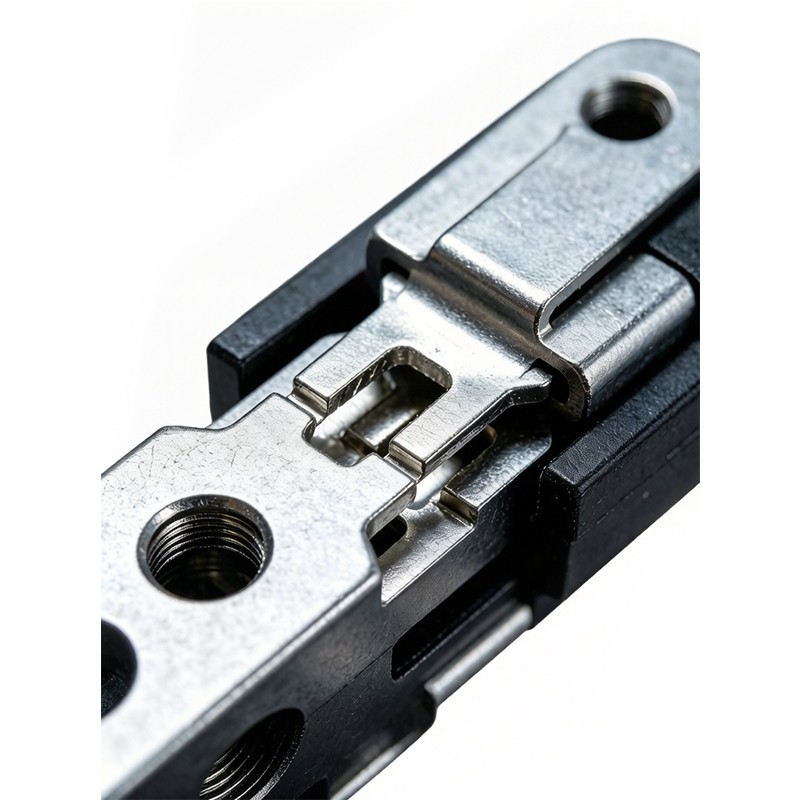
Electrical Pins for Connector are another important component that needs to be compatible with crimp connector housings.
Pin Insertion and Retention
The housing should allow for easy insertion of the electrical pins. The insertion force should be within an acceptable range. If the insertion force is too high, it may cause damage to the pins or the housing. At the same time, the housing should have a reliable retention mechanism to hold the pins firmly. This can prevent the pins from being pulled out accidentally, which could disrupt the electrical connection.
Contact Resistance
The interaction between the electrical pins and the housing should not increase the contact resistance. High contact resistance can lead to power losses and overheating. The design of the housing should ensure that the pins make good electrical contact with the terminals inside the housing. This may involve proper alignment and surface finish of the cavities in the housing.
Compatibility with Mating Connectors
In addition to terminals and pins, crimp connector housings need to be compatible with mating connectors.
Mechanical Fit
The mechanical fit between the housing and the mating connector is crucial. The housing should be able to mate with the connector smoothly. There should be no misalignment or interference during the mating process. The locking mechanism between the housing and the mating connector should be reliable, ensuring a secure connection.
Environmental Sealing
In many applications, especially in automotive and outdoor electrical systems, environmental sealing is necessary. The housing and the mating connector should form a good seal to prevent the ingress of dust, water, and other contaminants. This can protect the internal components from damage and ensure the long - term reliability of the electrical connection.
Testing and Quality Control
To ensure the compatibility between crimp connector housings and other components, rigorous testing and quality control are essential.
Dimensional Inspection
Dimensional inspection of the housing, terminals, pins, and mating connectors should be carried out. This can be done using precision measuring tools such as calipers and micrometers. Any deviation from the specified dimensions can affect the compatibility.
Electrical Testing
Electrical testing is also crucial. This includes testing the insulation resistance, contact resistance, and electrical continuity. These tests can help detect any potential electrical problems caused by incompatible components.
Environmental Testing
Environmental testing, such as temperature cycling, humidity testing, and vibration testing, can simulate the real - world conditions in which the connectors will be used. This can ensure that the compatibility between the components is maintained under different environmental conditions.
Conclusion
Ensuring the compatibility between crimp connector housings and other components is a complex but essential task. As a supplier, we are committed to providing high - quality crimp connector housings that are fully compatible with various terminals, pins, and mating connectors. By understanding the material, physical dimensions, and electrical performance requirements, and through strict testing and quality control, we can offer products that meet the needs of our customers.
If you are looking for reliable crimp connector housings and want to discuss your specific requirements, please feel free to contact us for procurement and negotiation. We are ready to provide you with professional solutions and excellent service.
References
- "Electrical Connector Handbook" by IPC - Association Connecting Electronics Industries
- "Automotive Electrical Systems Design and Troubleshooting" by various automotive engineering experts