

In the dynamic landscape of industrial technology, industrial connectors play a pivotal role in ensuring seamless communication and power transmission across various equipment and systems. As a seasoned supplier of industrial connectors, I've witnessed firsthand the significant evolution of this industry and am excited to explore the future development prospects that lie ahead.
1. Technological Advancements Driving Innovation
The future of industrial connectors is closely intertwined with technological advancements. One of the most prominent trends is the miniaturization of connectors. As electronic devices become smaller and more compact, there is a growing demand for connectors that can fit into tight spaces without sacrificing performance. Miniaturized connectors not only save space but also reduce the overall weight of the equipment, making them ideal for applications in aerospace, medical devices, and consumer electronics.
Another area of innovation is the development of high - speed connectors. With the increasing demand for data transfer in industrial settings, such as in automation systems and the Internet of Things (IoT), there is a need for connectors that can support high - bandwidth data transmission. These connectors are designed to minimize signal loss and interference, ensuring reliable and fast communication between different components.
In addition, the integration of smart features into industrial connectors is on the rise. Smart connectors can monitor their own performance, detect faults, and communicate this information to the system. For example, they can measure temperature, voltage, and current, and send alerts if any parameters go out of the normal range. This proactive approach to maintenance can help prevent costly downtime and improve the overall efficiency of industrial operations.
2. Industry 4.0 and the Internet of Things (IoT)
The advent of Industry 4.0 and the IoT has had a profound impact on the industrial connector market. In an Industry 4.0 environment, machines, sensors, and other devices are connected to form a network that enables real - time data exchange and automation. Industrial connectors are the physical links that make this connectivity possible.
As more and more industrial devices are connected to the IoT, the demand for reliable and secure connectors will continue to grow. These connectors need to be able to withstand harsh industrial environments, including high temperatures, humidity, and vibrations. They also need to support a wide range of protocols and communication standards to ensure seamless integration with different devices and systems.
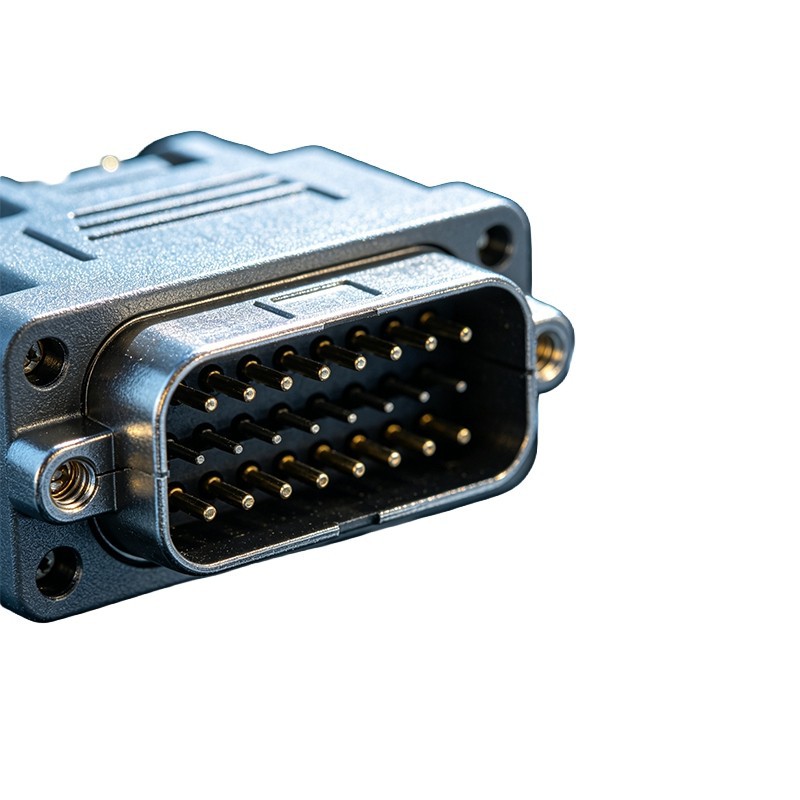
For instance, in a smart factory, sensors installed on production equipment need to communicate data to the control system in real - time. Industrial connectors play a crucial role in transmitting this data accurately and efficiently. Equipment Connector is a type of connector that is well - suited for such applications, providing a reliable connection between equipment and the control network.
3. Renewable Energy and Electric Vehicles
The global shift towards renewable energy sources and the growing popularity of electric vehicles (EVs) are also creating new opportunities for the industrial connector market.
In the renewable energy sector, connectors are used in solar panels, wind turbines, and energy storage systems. These connectors need to be able to handle high voltages and currents, as well as resist environmental factors such as UV radiation and moisture. For example, in a solar power plant, connectors are used to connect solar panels to the inverter and the power grid. The reliability of these connectors is crucial for the efficient operation of the solar power system.
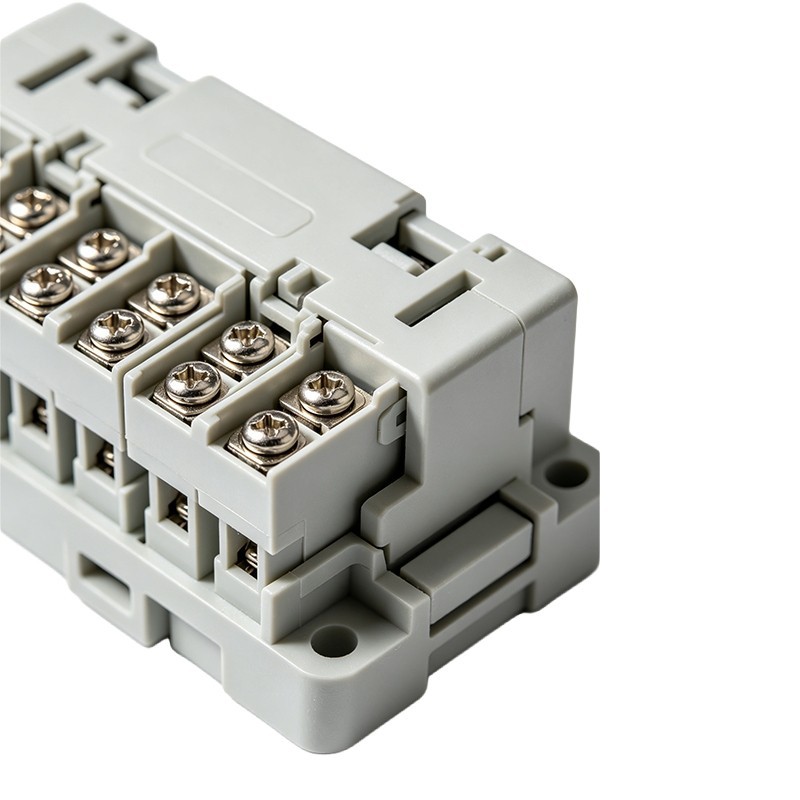
In the EV market, connectors are used in charging stations, battery packs, and electric drivetrains. As the demand for EVs continues to grow, there is a need for high - power connectors that can support fast charging. Heavy Connector and Heavy Duty Terminal Connector are designed to meet the high - power requirements of EV applications, providing a safe and efficient connection for power transfer.
4. Environmental and Regulatory Considerations
Environmental concerns are increasingly influencing the development of industrial connectors. There is a growing demand for connectors that are made from sustainable materials and have a minimal environmental impact. Manufacturers are also focusing on reducing the energy consumption of connectors during their operation.
In addition, regulatory requirements are becoming more stringent. Connectors need to comply with various standards and regulations, such as safety standards, electromagnetic compatibility (EMC) standards, and environmental regulations. For example, in the European Union, connectors need to comply with the Restriction of Hazardous Substances (RoHS) directive, which restricts the use of certain hazardous materials in electrical and electronic equipment.
5. Market Challenges and Opportunities
Despite the promising future prospects, the industrial connector market also faces some challenges. One of the main challenges is the intense competition in the market. There are many suppliers offering similar products, which can lead to price wars and margin compression. To stay competitive, suppliers need to focus on product differentiation, quality, and customer service.
Another challenge is the rapid pace of technological change. Suppliers need to invest in research and development to keep up with the latest trends and technologies. This requires significant resources and expertise.
However, these challenges also present opportunities. By focusing on innovation and meeting the evolving needs of customers, suppliers can gain a competitive edge in the market. For example, by developing connectors with unique features or by providing customized solutions, suppliers can attract more customers and increase their market share.
6. Conclusion and Call to Action
In conclusion, the future development prospects of industrial connectors are very promising. Technological advancements, the growth of Industry 4.0 and the IoT, the shift towards renewable energy and EVs, and environmental and regulatory considerations are all driving the demand for high - performance industrial connectors.
As a supplier of industrial connectors, we are committed to staying at the forefront of innovation and providing our customers with the best - in - class products and services. We understand the unique needs of different industries and are able to offer customized solutions to meet those needs.
If you are in the market for industrial connectors, we invite you to contact us for a consultation. Our team of experts will be happy to discuss your requirements and help you find the right connectors for your applications. Whether you need Equipment Connector, Heavy Connector, or Heavy Duty Terminal Connector, we have the expertise and the products to meet your needs.
References
- "Industrial Connectors Market - Global Industry Analysis, Size, Share, Growth, Trends, and Forecast 2023 - 2030", Market Research Future.
- "The Impact of Industry 4.0 on Industrial Connectors", Industrial Technology Magazine.
- "Renewable Energy and Electric Vehicle Connector Trends", Energy Industry Journal.