

In the automotive industry, electrical systems play a crucial role in ensuring the proper functioning of vehicles. Among the many components that make up these systems, automotive crimp terminals are essential for establishing reliable electrical connections. One of the key characteristics of these terminals is their electrical resistance, which can significantly impact the performance and safety of a vehicle's electrical system. As a supplier of Automotive Crimp Terminals, I will delve into the concept of electrical resistance in automotive crimp terminals, exploring its importance, factors that affect it, and how to manage it effectively.
Understanding Electrical Resistance
Electrical resistance is a fundamental property of any electrical conductor. It is defined as the opposition to the flow of electric current through a material. Resistance is measured in ohms (Ω), and it is governed by Ohm's Law, which states that the current (I) flowing through a conductor is directly proportional to the voltage (V) applied across it and inversely proportional to the resistance (R), expressed as V = IR.
In the context of automotive crimp terminals, electrical resistance is a critical parameter because it determines the amount of power loss and heat generation in the electrical connection. A high resistance in a crimp terminal can lead to several issues, including reduced electrical efficiency, overheating, and potential damage to the terminal or other components in the electrical system.
Importance of Low Resistance in Automotive Crimp Terminals
Low electrical resistance in automotive crimp terminals is essential for several reasons:
- Efficient Power Transmission: In a vehicle's electrical system, power needs to be transmitted from the battery to various components, such as lights, sensors, and actuators. A low-resistance crimp terminal ensures that the maximum amount of power is delivered to these components, minimizing power loss due to heat dissipation. This is particularly important in modern vehicles, which rely heavily on electrical systems for functions such as engine management, safety features, and entertainment systems.
- Reliability and Durability: High resistance in a crimp terminal can cause excessive heat generation, which can lead to thermal stress and degradation of the terminal material over time. This can result in a loose connection, increased resistance, and ultimately, a failure of the electrical system. By maintaining low resistance, the crimp terminal can operate within its specified temperature range, ensuring long-term reliability and durability.
- Safety: Overheating due to high resistance can pose a safety risk, as it can lead to melting of the terminal or surrounding insulation, potentially causing a short circuit or even a fire. Low-resistance crimp terminals help to prevent these safety hazards by minimizing heat generation and maintaining a stable electrical connection.
Factors Affecting the Electrical Resistance of Automotive Crimp Terminals
Several factors can influence the electrical resistance of automotive crimp terminals:
- Material Properties: The material used to manufacture the crimp terminal has a significant impact on its electrical resistance. Metals such as copper and aluminum are commonly used in automotive crimp terminals due to their high electrical conductivity. Copper has a lower resistance than aluminum, making it a preferred choice for applications where low resistance is critical. However, aluminum is lighter and less expensive, so it is often used in applications where weight and cost are important considerations.
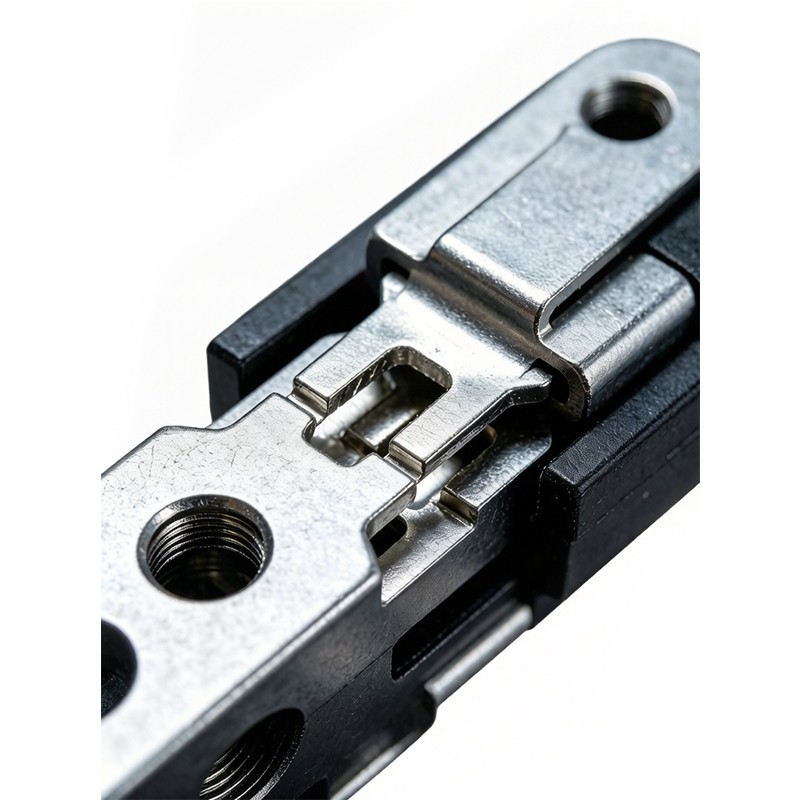
- Terminal Design: The design of the crimp terminal can also affect its electrical resistance. Factors such as the cross-sectional area of the terminal, the shape of the crimp, and the presence of any plating or coatings can all influence the resistance. A larger cross-sectional area generally results in lower resistance, as it provides more space for the electric current to flow. Additionally, a well-designed crimp that provides a secure and uniform connection between the terminal and the wire can help to minimize resistance.
- Crimp Quality: The quality of the crimp is perhaps the most important factor affecting the electrical resistance of a crimp terminal. A proper crimp ensures a good mechanical and electrical connection between the terminal and the wire, minimizing the contact resistance. Factors such as the crimp force, the crimp height, and the alignment of the terminal and wire during the crimping process can all affect the quality of the crimp. If the crimp is too loose, the contact resistance will be high, leading to increased power loss and heat generation. On the other hand, if the crimp is too tight, it can damage the wire or the terminal, also resulting in increased resistance.
- Environmental Conditions: The operating environment of the automotive crimp terminal can also affect its electrical resistance. Factors such as temperature, humidity, and exposure to chemicals or contaminants can all cause corrosion or oxidation of the terminal surface, increasing the resistance. For example, in a high-humidity environment, the terminal may develop a layer of oxide on its surface, which can act as an insulator and increase the resistance. To mitigate these effects, automotive crimp terminals are often coated with a protective layer, such as tin or nickel, to prevent corrosion and oxidation.
Measuring and Managing Electrical Resistance
To ensure the proper performance of automotive crimp terminals, it is important to measure and manage their electrical resistance. There are several methods for measuring resistance, including the use of a multimeter or a specialized resistance testing device. These devices can provide accurate measurements of the resistance of a crimp terminal under various conditions.
In addition to measuring resistance, it is also important to manage it effectively. This can be achieved through several strategies:
- Proper Material Selection: As mentioned earlier, the material used to manufacture the crimp terminal can have a significant impact on its electrical resistance. By selecting the appropriate material for the application, it is possible to minimize resistance and ensure efficient power transmission.
- Optimal Terminal Design: The design of the crimp terminal should be optimized to minimize resistance. This can include using a larger cross-sectional area, a well-designed crimp shape, and appropriate plating or coatings.
- Quality Crimping Process: The quality of the crimp is crucial for minimizing resistance. By using a proper crimping tool and following the manufacturer's guidelines for crimping, it is possible to ensure a secure and uniform connection between the terminal and the wire, minimizing the contact resistance.
- Environmental Protection: To prevent corrosion and oxidation, automotive crimp terminals should be protected from the operating environment. This can include using a protective coating, such as tin or nickel, and ensuring that the terminals are installed in a sealed or protected environment.
Conclusion
In conclusion, the electrical resistance of automotive crimp terminals is a critical parameter that can significantly impact the performance and safety of a vehicle's electrical system. Low resistance is essential for efficient power transmission, reliability, and safety. Factors such as material properties, terminal design, crimp quality, and environmental conditions can all affect the resistance of a crimp terminal. By understanding these factors and implementing appropriate strategies for measuring and managing resistance, it is possible to ensure the proper performance of automotive crimp terminals.
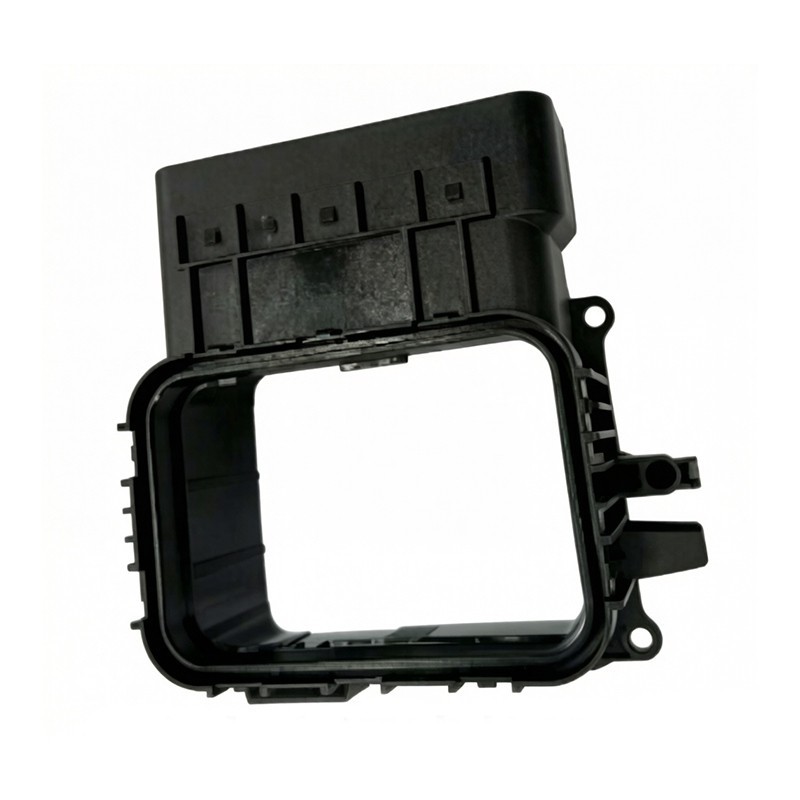
As a supplier of Automotive Crimp Terminals, we are committed to providing high-quality products that meet the strictest standards for electrical performance. Our terminals are designed and manufactured using the latest technology and materials to ensure low resistance and reliable operation. In addition to our automotive crimp terminals, we also offer a wide range of Automotive Connector Housing and Crimp Connector Housing to provide a complete solution for your electrical connection needs.
If you are interested in learning more about our products or discussing your specific requirements, please feel free to contact us. We look forward to the opportunity to work with you and help you find the best solution for your automotive electrical system.
References
- Grover, F. W. (1946). Inductance Calculations: Working Formulas and Tables. Dover Publications.
- Hayt, W. H., & Kemmerly, J. E. (2001). Engineering Circuit Analysis. McGraw-Hill.
- Nilsson, J. W., & Riedel, S. A. (2015). Electric Circuits. Pearson.