

Choosing the right precision mold for different plastic materials is a crucial decision that can significantly impact the quality, efficiency, and cost of your manufacturing process. As a precision mold supplier, I've seen firsthand how the wrong mold can lead to a host of problems, from poor part quality to increased production time and costs. In this blog post, I'll share some tips on how to choose the appropriate precision mold for different plastic materials.
Understanding Plastic Materials
Before you start looking for a precision mold, it's important to understand the properties of the plastic materials you'll be using. Different plastics have different melting points, flow rates, shrinkage rates, and other characteristics that can affect the molding process. Here are some common types of plastic materials and their properties:
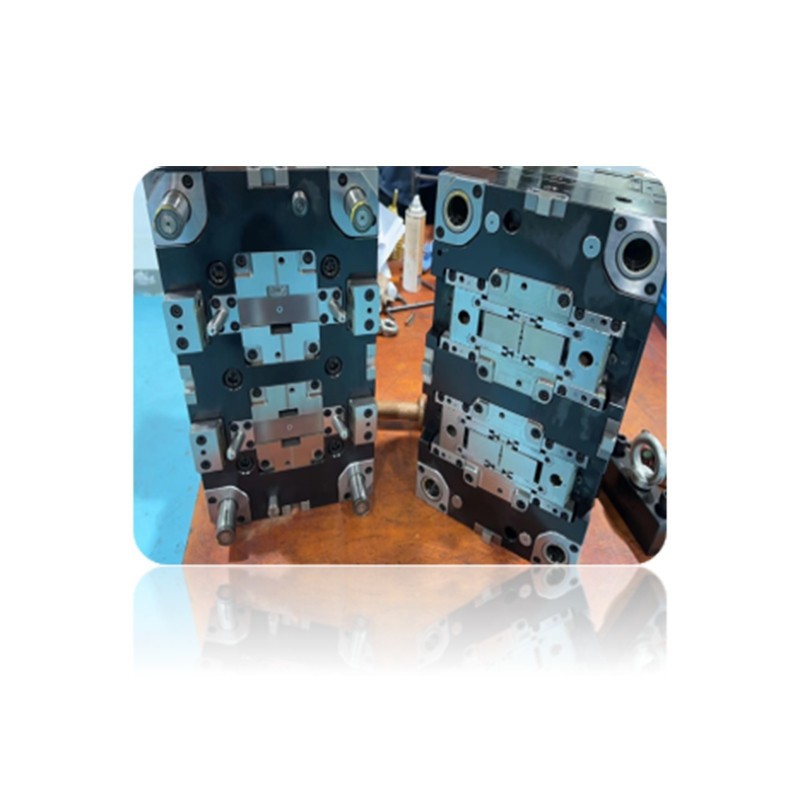

- Polyethylene (PE): PE is a widely used plastic that comes in different densities, including low-density polyethylene (LDPE) and high-density polyethylene (HDPE). It has good chemical resistance, flexibility, and impact strength. LDPE has a lower melting point and is more flexible, while HDPE has a higher melting point and is more rigid.
- Polypropylene (PP): PP is another popular plastic that is known for its high stiffness, chemical resistance, and low density. It has a relatively high melting point and good flow properties, making it suitable for a wide range of applications.
- Polystyrene (PS): PS is a clear, rigid plastic that is commonly used in packaging, disposable tableware, and consumer products. It has a low melting point and good flow properties, but it is also brittle and has poor impact resistance.
- Acrylonitrile Butadiene Styrene (ABS): ABS is a strong, tough plastic that combines the properties of acrylonitrile, butadiene, and styrene. It has good impact resistance, heat resistance, and chemical resistance, making it suitable for a wide range of applications, including automotive parts, electronic housings, and toys.
- Polycarbonate (PC): PC is a clear, strong plastic that has excellent impact resistance, heat resistance, and optical properties. It has a high melting point and good flow properties, but it is also more expensive than other plastics.
Factors to Consider When Choosing a Precision Mold
Once you have a good understanding of the plastic materials you'll be using, you can start considering the factors that will affect your choice of precision mold. Here are some key factors to keep in mind:
- Mold Material: The mold material you choose will depend on the type of plastic material you'll be using, the production volume, and the required precision. Common mold materials include steel, aluminum, and copper alloys. Steel is the most commonly used mold material because it is strong, durable, and can withstand high temperatures and pressures. Aluminum is a lighter and less expensive alternative to steel, but it is also less durable and has a lower melting point. Copper alloys are often used for molds that require high thermal conductivity, such as injection molds for thermoplastics.
- Mold Design: The mold design is another important factor to consider when choosing a precision mold. The design should be optimized for the specific plastic material you'll be using, as well as the production volume and the required precision. Some key design considerations include the number of cavities, the gate type, the cooling system, and the ejection system.
- Mold Precision: The precision of the mold is critical to the quality of the final product. The mold should be designed and manufactured to the highest standards of precision, with tight tolerances and smooth surfaces. This will ensure that the parts produced are consistent in size, shape, and quality.
- Mold Cost: The cost of the mold is another important factor to consider. The cost will depend on the size, complexity, and material of the mold, as well as the production volume. It's important to balance the cost of the mold with the quality and performance of the final product.
Choosing the Right Precision Mold for Different Plastic Materials
Now that you have a good understanding of the factors to consider when choosing a precision mold, let's take a look at how to choose the right mold for different plastic materials.
- PE and PP: PE and PP are relatively easy to mold, and they can be molded using a variety of mold materials, including steel, aluminum, and copper alloys. For low-volume production, aluminum molds are often a good choice because they are less expensive and can be produced quickly. For high-volume production, steel molds are usually the best choice because they are more durable and can withstand the high pressures and temperatures required for injection molding.
- PS and ABS: PS and ABS are also relatively easy to mold, but they require a higher level of precision than PE and PP. Steel molds are usually the best choice for PS and ABS because they can provide the required precision and durability. The mold design should be optimized for the specific plastic material, with a gate type that is suitable for the flow properties of the plastic.
- PC: PC is a more difficult plastic to mold than PE, PP, PS, and ABS because it has a high melting point and a low flow rate. Steel molds are usually the best choice for PC because they can withstand the high temperatures and pressures required for injection molding. The mold design should be optimized for the specific plastic material, with a cooling system that is designed to prevent the plastic from overheating and warping.
Conclusion
Choosing the appropriate precision mold for different plastic materials is a critical decision that can significantly impact the quality, efficiency, and cost of your manufacturing process. By understanding the properties of the plastic materials you'll be using, considering the factors that will affect your choice of precision mold, and choosing the right mold for the specific plastic material, you can ensure that your parts are produced to the highest standards of quality and performance.
If you're looking for a precision mold supplier, I'd be happy to help. We offer a wide range of High Precision Mold, including High Precision Plastic Injection Mould and Precision Injection Mould. Our molds are designed and manufactured to the highest standards of precision, with tight tolerances and smooth surfaces. We also offer a variety of mold materials, including steel, aluminum, and copper alloys, to meet your specific needs.
If you have any questions or would like to discuss your precision mold requirements, please don't hesitate to contact us. We'd be happy to help you choose the right mold for your application.
References
- "Plastic Materials and Their Properties" by John A. Brydson
- "Injection Molding Handbook" by Olli Tuomi
- "Mold Design for Injection Molding" by David A. Kazmer