

Hey there! As a supplier of Heavy Duty DC Power Connectors, I'm stoked to share some tips on how to install these bad boys on a printed circuit board (PCB). Whether you're a seasoned pro or just starting out in the electronics game, this guide will help you get the job done right.
Understanding Heavy Duty DC Power Connectors
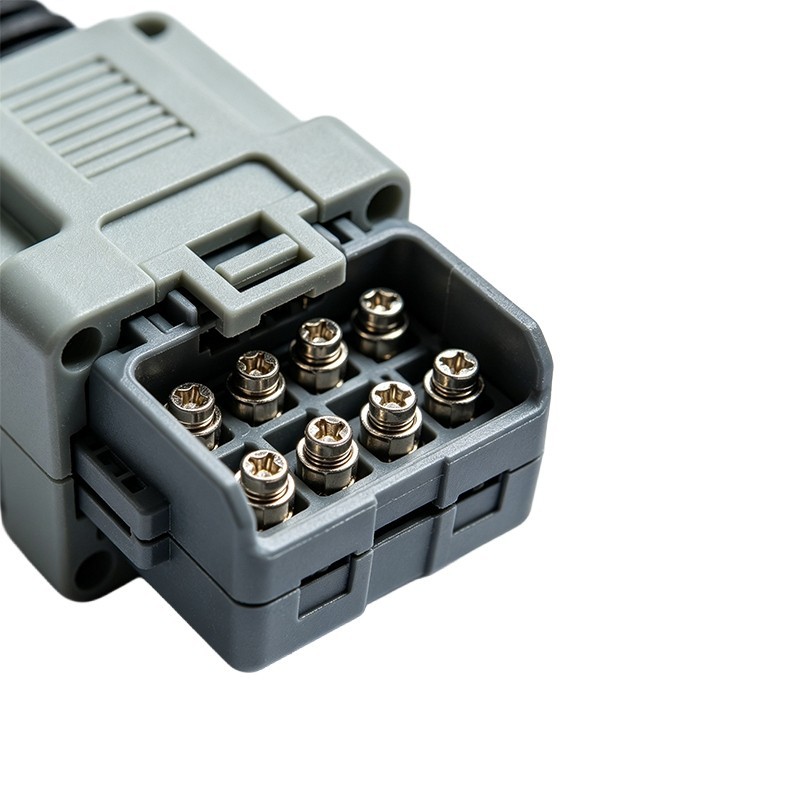
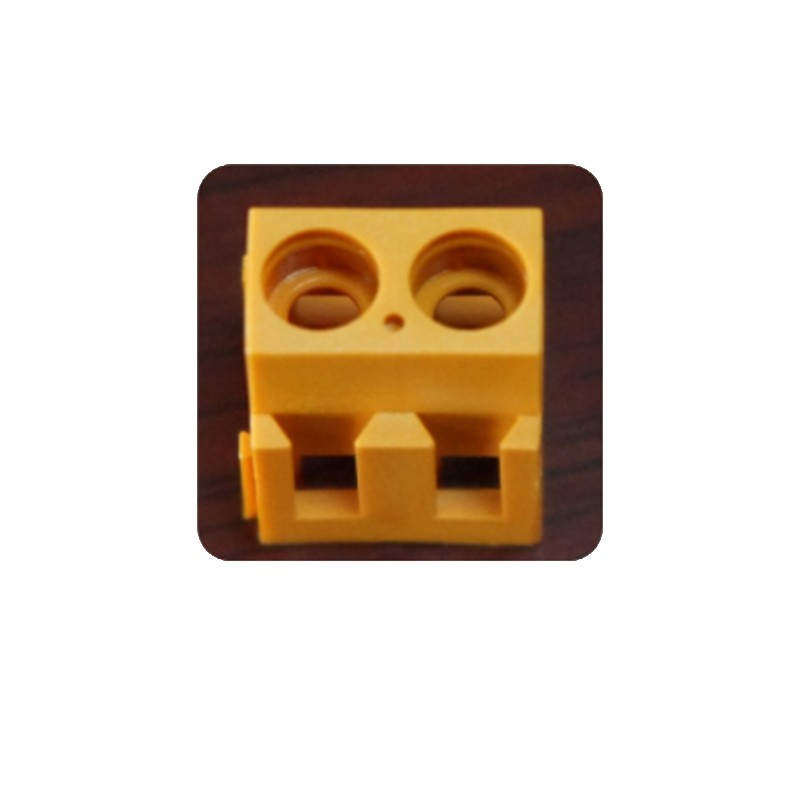
Before we dive into the installation process, let's take a quick look at what heavy duty DC power connectors are and why they're so important. These connectors are designed to handle high currents and voltages, making them ideal for applications that require a reliable power source. They come in a variety of shapes and sizes, and can be used in a wide range of industries, including automotive, aerospace, and industrial automation.
One of the key features of heavy duty DC power connectors is their durability. They're built to withstand harsh environments, such as extreme temperatures, vibrations, and moisture. This makes them a great choice for applications that require a long-lasting and reliable power connection.
Tools and Materials You'll Need
To install heavy duty DC power connectors on a PCB, you'll need a few tools and materials. Here's a list of what you'll need:
- Soldering iron: A good quality soldering iron is essential for soldering the connectors to the PCB. Make sure you choose a soldering iron with a temperature control feature, as this will help you avoid overheating the connectors and damaging the PCB.
- Solder: You'll need a high-quality solder that's suitable for soldering electronic components. Make sure you choose a solder that has a low melting point and is lead-free.
- Flux: Flux is used to clean the surfaces of the connectors and the PCB, and to help the solder flow more easily. Make sure you choose a flux that's suitable for the type of solder you're using.
- Wire cutters: You'll need a pair of wire cutters to cut the wires to the appropriate length.
- Pliers: You'll need a pair of pliers to hold the connectors in place while you're soldering them.
- PCB: You'll need a printed circuit board that's designed to accommodate the heavy duty DC power connectors. Make sure you choose a PCB that's made from a high-quality material and has the appropriate holes and traces for the connectors.
Step-by-Step Installation Process
Now that you have all the tools and materials you need, it's time to start installing the heavy duty DC power connectors on the PCB. Here's a step-by-step guide to help you through the process:
Step 1: Prepare the PCB
The first step is to prepare the PCB for the installation of the connectors. This involves cleaning the surface of the PCB and removing any debris or contaminants. You can use a clean cloth and some isopropyl alcohol to clean the surface of the PCB.
Step 2: Position the Connectors
Once the PCB is clean, it's time to position the connectors on the board. Make sure you position the connectors in the correct location and orientation, and that they're aligned with the holes and traces on the PCB. You can use a pair of pliers to hold the connectors in place while you're soldering them.
Step 3: Solder the Connectors
Now it's time to solder the connectors to the PCB. Make sure you apply a small amount of flux to the surfaces of the connectors and the PCB, and then heat the soldering iron to the appropriate temperature. Once the soldering iron is hot, touch the tip of the iron to the solder and the connector, and hold it there for a few seconds until the solder melts and flows onto the connector and the PCB. Repeat this process for each connector.
Step 4: Check the Connections
Once you've soldered all the connectors to the PCB, it's time to check the connections. Use a multimeter to test the continuity of the connections, and make sure that there are no shorts or open circuits. If you find any problems, you'll need to re-solder the connectors or make any necessary repairs.
Step 5: Clean the PCB
After you've checked the connections, it's time to clean the PCB. Use a clean cloth and some isopropyl alcohol to clean the surface of the PCB and remove any excess flux or solder.
Tips and Tricks
Here are some tips and tricks to help you install heavy duty DC power connectors on a PCB:
- Use the right tools: Make sure you use the right tools for the job, and that they're in good condition. A good quality soldering iron and solder will make the installation process much easier and more reliable.
- Follow the manufacturer's instructions: Make sure you follow the manufacturer's instructions for installing the connectors. This will help you avoid any problems and ensure that the connectors are installed correctly.
- Take your time: Installing heavy duty DC power connectors on a PCB can be a time-consuming process, so make sure you take your time and do it right. Rushing the process can lead to mistakes and problems.
- Test the connections: Before you use the PCB, make sure you test the connections to ensure that they're working properly. This will help you avoid any problems and ensure that the PCB is safe to use.
Other Industrial Connectors
In addition to heavy duty DC power connectors, there are many other types of industrial connectors available. Here are some of the most common types of industrial connectors:
- Heavy Duty Multi Pin Connectors: These connectors are designed to handle multiple pins and are commonly used in applications that require a high level of connectivity.
- Industrial Usb Connector: These connectors are designed to provide a reliable and high-speed connection for USB devices.
- Heavy Duty Ethernet Connector: These connectors are designed to provide a reliable and high-speed connection for Ethernet networks.
Conclusion
Installing heavy duty DC power connectors on a PCB can be a challenging but rewarding process. By following the steps outlined in this guide and using the right tools and materials, you can ensure that the connectors are installed correctly and that the PCB is safe to use. If you have any questions or need further assistance, don't hesitate to contact us. We're here to help you with all your heavy duty DC power connector needs.
References
- "Electronics Manufacturing Handbook," by John Wiley & Sons
- "Printed Circuit Board Design and Manufacturing," by McGraw-Hill Education
- "Industrial Connectors: A Comprehensive Guide," by The Industrial Connector Association