

As an equipment connector supplier, I've seen firsthand the importance of understanding the differences between plug - type and socket - type equipment connectors. These two types of connectors play a crucial role in various industries, from manufacturing to electronics, and knowing their distinctions can help you make the right choice for your specific needs.
Physical Design
First off, let's talk about the physical design. Plug - type connectors are the ones that you insert into something. They're like the male part of the connection. They usually have pins or prongs that stick out. These pins are designed to fit snugly into the corresponding holes or slots of a socket - type connector.
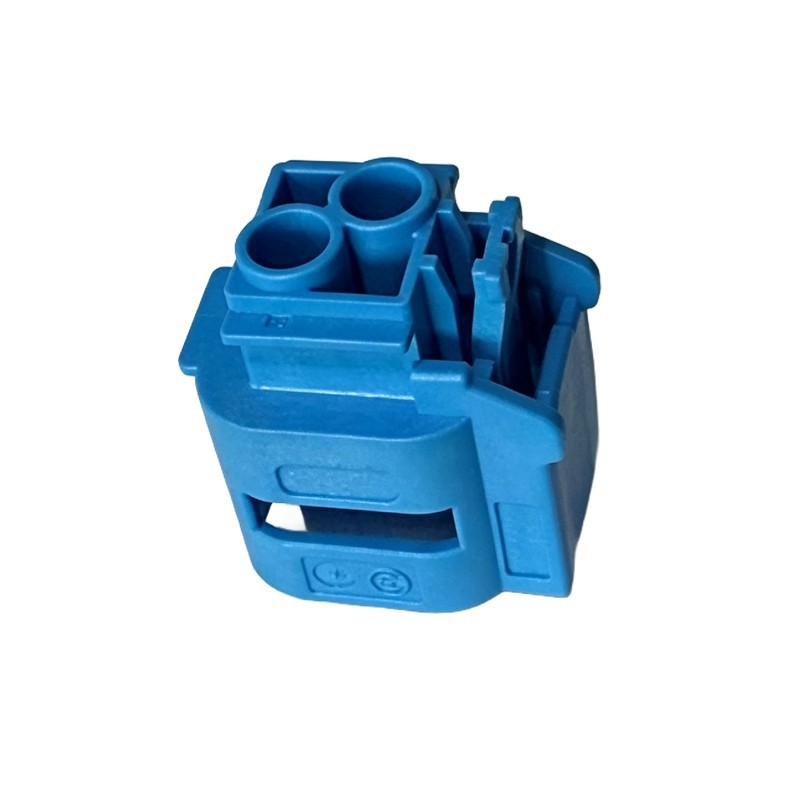
On the other hand, socket - type connectors are the ones that receive the plug. They're the female part. They have holes or slots where the pins of the plug can go in. The internal structure of a socket is designed to hold the plug securely and make a good electrical or mechanical connection.
For example, if you look at a regular household electrical plug, it has two or three prongs. The wall outlet is the socket, with holes for those prongs to fit into. This simple design is a classic example of the relationship between plug - type and socket - type connectors.
Installation and Use
When it comes to installation, plug - type connectors are generally easier to install. You just need to line up the pins with the holes in the socket and push it in. It's a straightforward process that doesn't require a lot of tools or technical knowledge.
Socket - type connectors, however, might need a bit more work. They often need to be mounted or fixed in place before you can use them. For instance, in an industrial setting, a socket - type connector might need to be bolted onto a panel or a machine. This installation process can be more time - consuming and might require some basic tools.
In terms of use, plug - type connectors are more portable. You can easily move them around and connect them to different sockets. This makes them ideal for applications where you need to connect and disconnect equipment frequently. For example, a laptop charger with a plug - type connector can be easily plugged into different wall outlets or power strips.
Socket - type connectors, on the other hand, are more stationary. Once they're installed, they stay in one place. They're great for permanent installations, like in a factory where machines are connected to a fixed power source or data network.
Electrical and Mechanical Performance
From an electrical perspective, plug - type connectors usually have a more direct connection. The pins make direct contact with the conductors inside the socket, which can result in a lower resistance and better electrical performance. This is important for applications where a stable electrical connection is crucial, such as in high - power electrical systems.
Socket - type connectors, however, can provide a more secure connection. The internal structure of the socket can hold the plug tightly, reducing the risk of the connection coming loose due to vibrations or movement. This is especially important in industrial environments where there might be a lot of mechanical stress.
In terms of mechanical performance, plug - type connectors are more prone to damage. The exposed pins can get bent or broken if they're mishandled. Socket - type connectors, on the other hand, are more protected. The holes are inside the connector body, which makes them less likely to get damaged.

Compatibility and Standardization
Compatibility is a big issue when it comes to equipment connectors. Plug - type and socket - type connectors need to be compatible with each other in terms of size, shape, and electrical specifications. Fortunately, there are many industry standards for connectors.
For example, the International Electrotechnical Commission (IEC) has established standards for electrical connectors. These standards ensure that plugs and sockets from different manufacturers are compatible with each other. This is great for consumers because it means they can use connectors from different sources without worrying about compatibility issues.
However, there are still some cases where compatibility can be a problem. Some specialized connectors might have unique designs or specifications that are not covered by standardization. In these cases, it's important to make sure that the plug and socket are designed to work together.
Applications
Both plug - type and socket - type connectors have a wide range of applications. Plug - type connectors are commonly used in consumer electronics. You can find them in things like smartphones, laptops, and cameras. They're also used in some industrial applications where portability is important, such as in handheld power tools.
Socket - type connectors are more commonly used in industrial settings. They're used to connect machines to power sources, data networks, and other equipment. For example, in a manufacturing plant, you might find socket - type connectors on the control panels of machines. They're also used in building wiring systems to connect electrical appliances to the power grid.
If you're looking for high - quality connectors, you might be interested in our Heavy Duty Electric Cable Connectors. These connectors are designed to handle high - power applications and are built to last. We also have Heavy Duty 2 Pin Connector for more specific needs. And if you need connectors for data transfer, our Industrial Usb Connector is a great option.
Conclusion
In conclusion, understanding the differences between plug - type and socket - type equipment connectors is essential for anyone who works with electrical or electronic equipment. Each type has its own advantages and disadvantages, and the choice between them depends on your specific needs.
If you're in the market for equipment connectors, I encourage you to reach out to us. We have a wide range of connectors to meet your requirements, and our team of experts can help you find the right solution for your application. Whether you need a plug - type connector for a portable device or a socket - type connector for a permanent installation, we've got you covered.
References
- International Electrotechnical Commission (IEC) standards on electrical connectors
- Industry reports on equipment connector applications and performance