

Hey there! I'm a supplier of Automotive Connector Housing, and today I wanna chat about ways to reduce the weight of these housings. It's a hot topic in the automotive industry, as lighter components can lead to better fuel efficiency, improved performance, and lower emissions. So, let's dive right in!
1. Material Selection
One of the most effective ways to cut down on the weight of automotive connector housings is by choosing the right materials. Traditional materials like metal can be quite heavy, so switching to lightweight plastics is a smart move. For example, polycarbonate and PBT (polybutylene terephthalate) are popular choices. These plastics offer good mechanical properties, such as high strength and impact resistance, while being significantly lighter than metals.
Polycarbonate, in particular, is known for its transparency, which can be useful for visual inspection of the connectors. It also has excellent heat resistance, making it suitable for use in high - temperature automotive environments. PBT, on the other hand, has good chemical resistance and dimensional stability.
When you're looking for Automotive Connector Housing, make sure to consider these lightweight plastic options. They can make a big difference in the overall weight of your connectors.
2. Design Optimization
Another key aspect is optimizing the design of the connector housing. We can use computer - aided design (CAD) tools to create more efficient shapes. For instance, removing unnecessary material from the housing without sacrificing its structural integrity. This can be done by creating hollow sections or using ribbed designs.
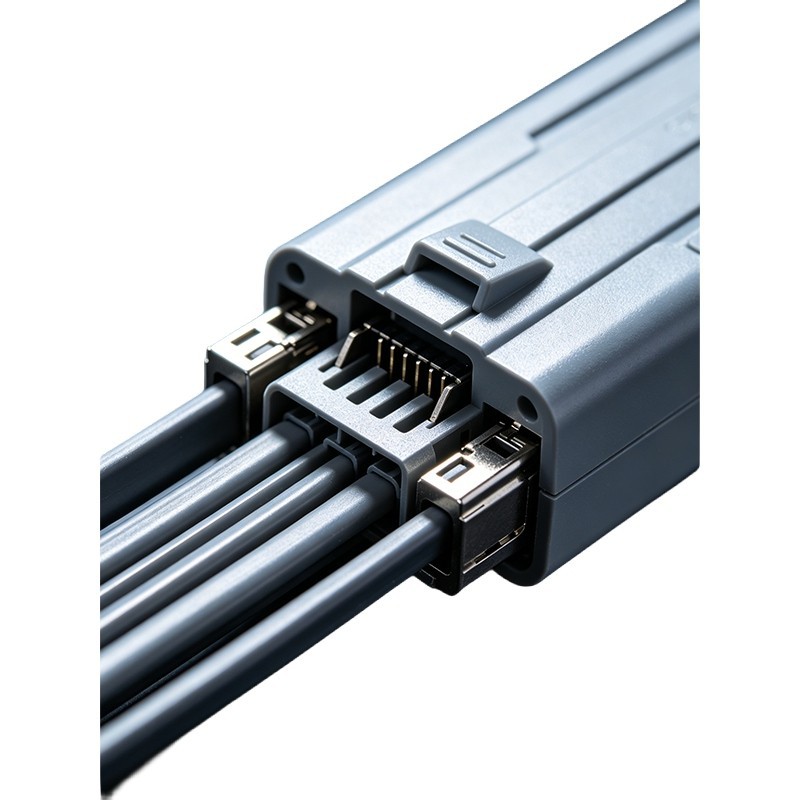
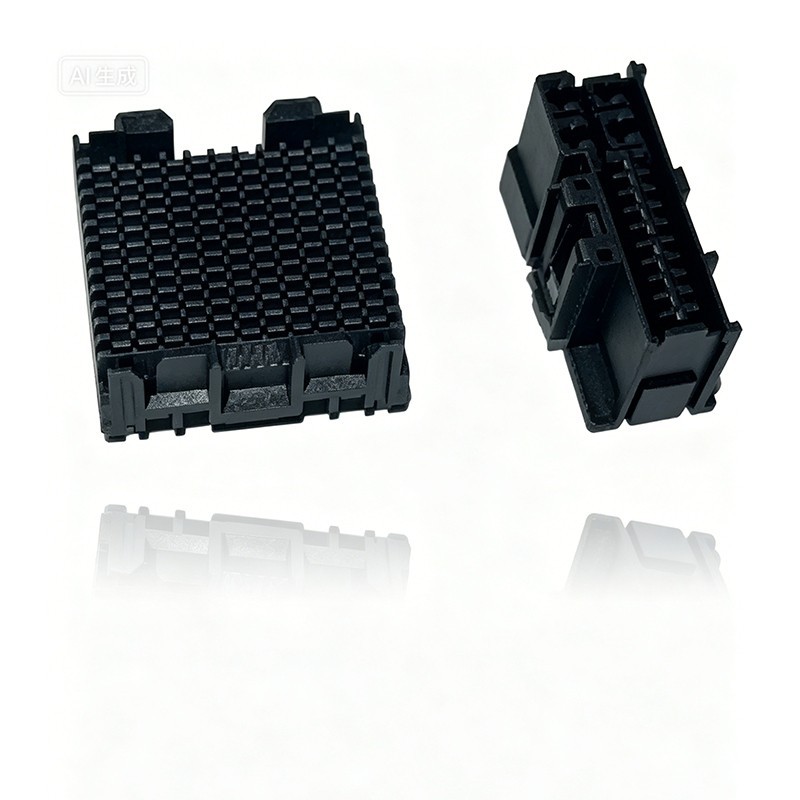
Ribs can provide additional strength while using less material. They distribute the stress evenly across the housing, allowing us to reduce the overall thickness of the walls. Also, by streamlining the shape of the housing, we can minimize the amount of material needed. For example, avoiding sharp corners and using smooth curves can make the housing lighter and more aerodynamic.
3. Miniaturization
Miniaturizing the connector housing is also a great way to reduce weight. As technology advances, we can design smaller connectors that still perform the same functions. Smaller housings require less material, which directly translates to less weight.
However, miniaturization comes with its own challenges. We need to ensure that the electrical performance of the connectors is not compromised. This means carefully designing the internal components, such as the contact pins, to fit into the smaller space without losing conductivity or signal integrity.
If you're interested in Wire Connector Housing or Crimp Connector Housing, look for options that are designed with miniaturization in mind. They can help you save weight without sacrificing quality.
4. Advanced Manufacturing Techniques
Using advanced manufacturing techniques can also contribute to weight reduction. For example, injection molding is a common method for producing connector housings. By using precise molds and optimizing the injection process, we can create parts with the exact amount of material needed.
3D printing is another emerging technology that can be used to produce lightweight connector housings. It allows for the creation of complex geometries that would be difficult or impossible to achieve with traditional manufacturing methods. With 3D printing, we can use less material by creating internal structures that are specifically designed to provide strength while minimizing weight.
5. Integration of Functions
Integrating multiple functions into a single connector housing can reduce the number of components and, therefore, the overall weight. Instead of having separate connectors for different functions, we can design a single housing that can perform multiple tasks.
For example, we can integrate power and signal connections into one housing. This not only reduces the weight but also simplifies the wiring system in the vehicle. It also reduces the number of connection points, which can improve the reliability of the electrical system.
Why Weight Reduction Matters
Reducing the weight of automotive connector housings has several benefits. First of all, it can improve fuel efficiency. A lighter vehicle requires less energy to move, which means less fuel consumption. This is especially important in today's world, where environmental concerns and fuel costs are major factors.
Secondly, it can enhance the performance of the vehicle. Lighter components can lead to better acceleration, handling, and braking. It also reduces the load on the suspension and other mechanical parts, which can extend their lifespan.
Finally, weight reduction can contribute to lower emissions. As the vehicle consumes less fuel, it produces fewer greenhouse gases. This is in line with the global efforts to reduce the environmental impact of the automotive industry.
Let's Connect
If you're in the market for high - quality, lightweight automotive connector housings, I'd love to have a chat with you. Whether you're an automotive manufacturer, a supplier, or someone involved in the automotive industry, we can work together to find the best solutions for your needs.
We have a wide range of products, including Automotive Connector Housing, Wire Connector Housing, and Crimp Connector Housing. Our team of experts can help you choose the right materials, designs, and manufacturing techniques to achieve the weight reduction goals you're looking for.
Don't hesitate to reach out and start a conversation. Let's work together to make your automotive projects more efficient and sustainable.
References
- "Automotive Connector Design and Technology" - A technical guidebook on automotive connectors.
- Industry reports on lightweight materials in the automotive industry.