

Humidity is an often overlooked yet significant factor in the performance and longevity of automotive crimp terminals. As a supplier of automotive crimp terminals, I've witnessed firsthand the impact that humidity can have on these critical components. In this blog, I'll explore the various ways in which humidity influences automotive crimp terminals and why it's essential for automotive manufacturers and other stakeholders to take this into account.
Corrosion and Oxidation
One of the most direct and visible effects of humidity on automotive crimp terminals is corrosion and oxidation. When crimp terminals are exposed to high levels of humidity, the moisture in the air can react with the metal surfaces of the terminals. This reaction leads to the formation of rust and other corrosion products. For example, in areas with high humidity, such as coastal regions, the salt in the air can accelerate the corrosion process.
Corrosion can cause several problems for automotive crimp terminals. First, it can increase the electrical resistance of the terminal. As the corrosion builds up on the surface of the terminal, it acts as an insulator, impeding the flow of electricity. This can lead to poor electrical connections, which may result in issues such as flickering lights, intermittent power supply, or even complete electrical failure.
Second, corrosion can weaken the mechanical strength of the terminal. The rust and corrosion products can cause the metal to become brittle and prone to cracking. This can lead to a loosening of the crimp connection, which further exacerbates the electrical problems. Over time, a corroded terminal may even break off completely, causing a complete loss of electrical continuity.
Insulation Degradation
Humidity can also have a significant impact on the insulation materials used in automotive crimp terminals. Many crimp terminals are surrounded by insulation to prevent electrical short circuits and protect the terminal from environmental factors. However, high humidity can cause the insulation to absorb moisture.
When insulation absorbs moisture, its electrical properties can change. The dielectric constant of the insulation may increase, which can lead to increased capacitive coupling and electromagnetic interference. This can affect the performance of the electrical system and may cause problems such as signal distortion or noise.
Moreover, the absorbed moisture can also cause the insulation to swell and become softer. This can reduce the mechanical protection provided by the insulation and make the terminal more vulnerable to damage. In extreme cases, the insulation may even break down completely, exposing the terminal to further corrosion and electrical hazards.
Impact on Contact Resistance
Contact resistance is a crucial parameter in automotive crimp terminals. It determines the efficiency of the electrical connection and affects the overall performance of the electrical system. Humidity can have a significant impact on contact resistance.
As mentioned earlier, corrosion caused by humidity can increase the contact resistance of the terminal. Additionally, the presence of moisture can also introduce a thin layer of water between the contact surfaces. This water layer can act as a conductor and change the electrical properties of the contact interface.
The change in contact resistance can lead to power losses in the electrical system. Higher contact resistance means more energy is dissipated as heat, which can not only reduce the efficiency of the system but also pose a safety risk. Excessive heat can damage the terminal and surrounding components, and in some cases, it can even lead to a fire.
Influence on Terminal Life
The combined effects of corrosion, insulation degradation, and changes in contact resistance can significantly reduce the lifespan of automotive crimp terminals. In high - humidity environments, terminals may need to be replaced more frequently, which can increase maintenance costs for automotive manufacturers and vehicle owners.
A shorter terminal life also means more frequent disruptions to the vehicle's electrical system. This can lead to increased downtime for vehicles, which is especially problematic for commercial fleets. Additionally, the need for more frequent replacements can have a negative impact on the environment, as it generates more waste.
Mitigation Strategies
As a supplier of automotive crimp terminals, we understand the importance of addressing the challenges posed by humidity. There are several strategies that can be employed to mitigate the effects of humidity on crimp terminals.
One approach is to use corrosion - resistant materials. For example, terminals can be made from stainless steel or other alloys that are more resistant to rust and corrosion. These materials can provide better protection against the effects of humidity and extend the lifespan of the terminals.
Another strategy is to apply protective coatings to the terminals. Coatings such as zinc plating or epoxy coatings can act as a barrier between the terminal and the environment, preventing moisture from coming into contact with the metal surface. This can significantly reduce the risk of corrosion and oxidation.
Proper sealing is also crucial. Using high - quality seals and gaskets can prevent moisture from entering the terminal assembly. This can help maintain the integrity of the electrical connection and protect the terminal from humidity - related damage.
Our Products and Solutions
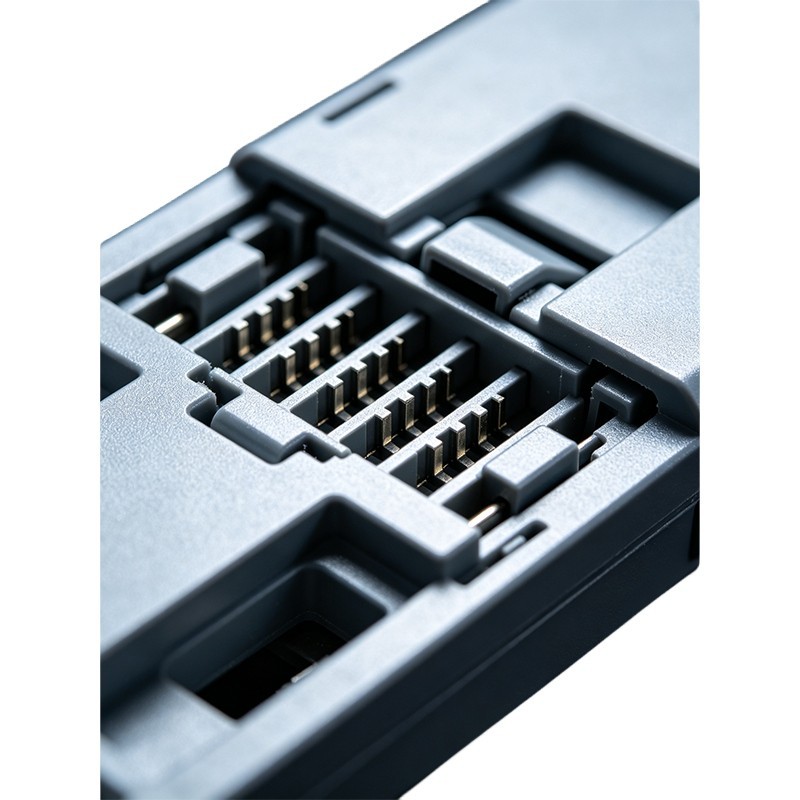
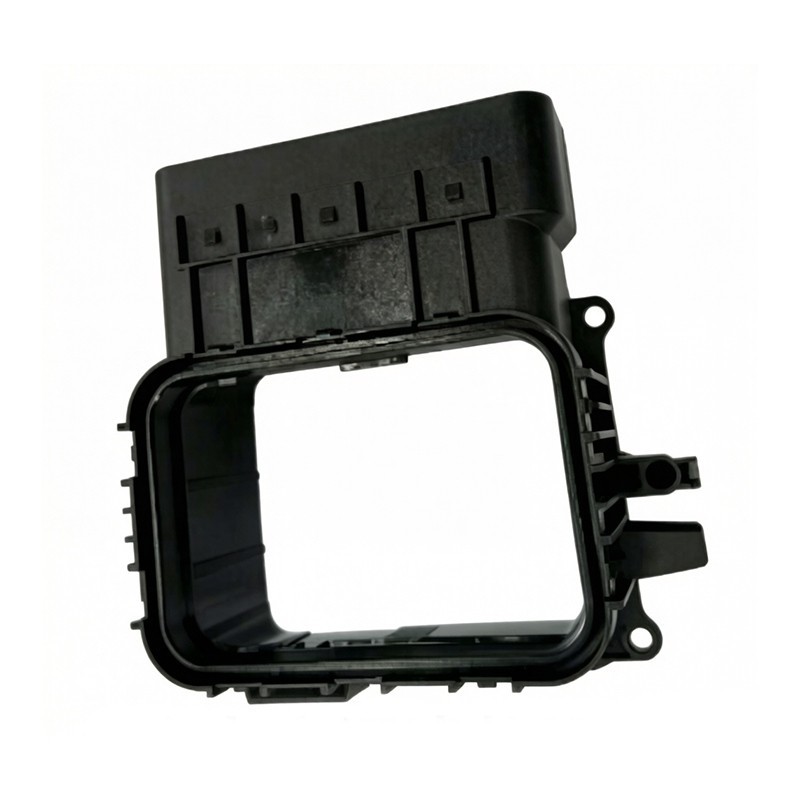
At our company, we offer a wide range of automotive crimp terminals that are designed to withstand the challenges of high - humidity environments. Our Automotive Connector Housing is made from high - quality materials and features advanced sealing technology to protect the terminals from moisture.
Our Crimp Connector Housing is also designed with humidity in mind. It provides a secure and reliable connection, even in harsh environmental conditions. Additionally, our Headers and Wire Housings are engineered to resist corrosion and ensure optimal electrical performance.
Conclusion
In conclusion, humidity can have a significant influence on automotive crimp terminals. From corrosion and oxidation to insulation degradation and changes in contact resistance, the effects of humidity can lead to a range of problems that can affect the performance and lifespan of the terminals. However, by using corrosion - resistant materials, applying protective coatings, and ensuring proper sealing, these challenges can be mitigated.
As a leading supplier of automotive crimp terminals, we are committed to providing high - quality products that can withstand the rigors of high - humidity environments. If you are in the market for automotive crimp terminals or have any questions about how humidity may affect your applications, we encourage you to contact us for a detailed discussion. Our team of experts is ready to assist you in finding the best solutions for your specific needs.
References
- "Automotive Electrical Systems: Principles and Diagnosis" by Thomas J. Glover
- "Corrosion and Protection of Metals" by H. H. Uhlig and R. W. Revie
- "Electrical Insulation Materials: Properties and Applications" by John D. Sweeney